The Absolute Guide to Buying Ski Bindings
What Ski Bindings Should I get?

Ski Bindings are an essential bit of kit for every skier. The bindings are the connection between you and your skis; transferring energy from your body into movement on the snow. Quite simply, without bindings you can't ski.
Some skis comes with pre chosen track mounted bindings, which have been specifically selected by the manufacturer to give optimal performance for the level of the ski. Other skis also come with drill mounted bindings or as a flat deck (ski only). These systems must be drilled into the surface of the ski and permanently attached by a professional and cannot be done at home. There are advantages and disadvantages of both. Whether your skis come with a track mounted system or drill mounted bindings this handy guide details every aspect of your binding and what you need to look out for when making your purchase.
All of our skis will clearly display whether they include bindings or come as 'Ski Only'. If they come as 'Ski Only' then check out our Optional Extras dropdown menu on each product to see compatible bindings that we personally recommend.
How Do Ski Bindings Work?
Anatomy of a ski binding
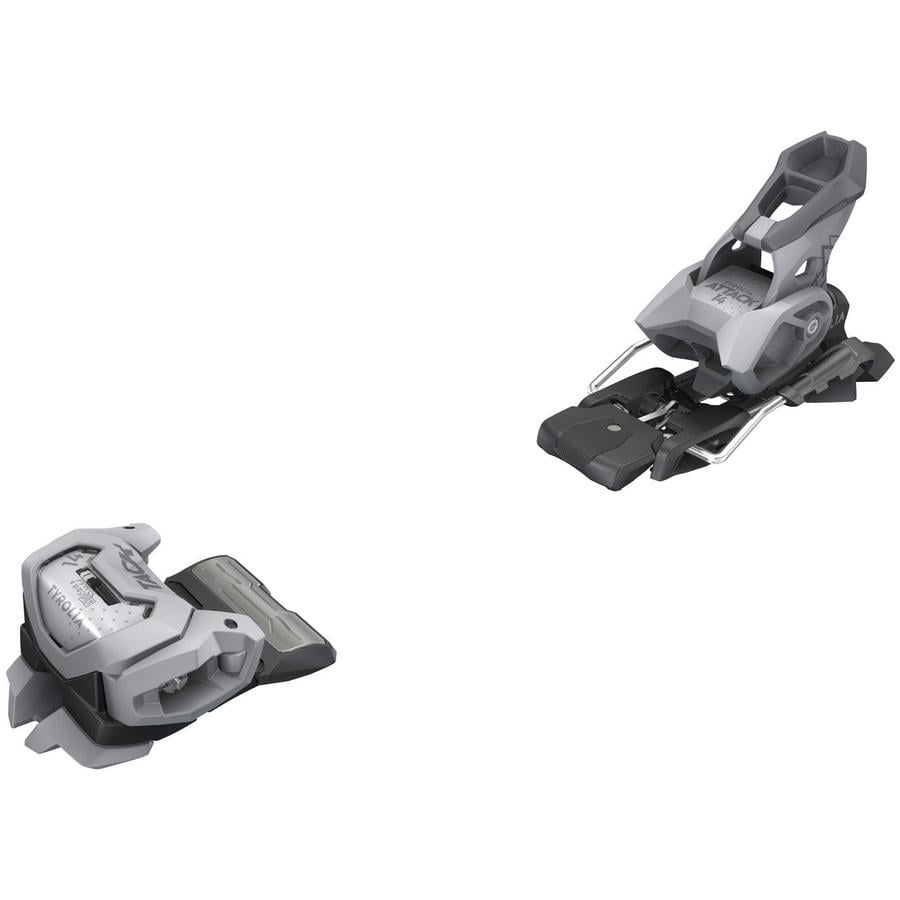
There are two main parts to a standard alpine ski binding - the toe piece and the heel piece. These work together to ensure that the bindings perform precisely as they are designed to. AT (Alpine Touring) and Telemark bindings differ from the below Alpine binding, however these types are less common.
Check out the main parts of an alpine binding below.
The toe piece is the front section of a ski binding which secures the front of your boot to your ski. The correct function of a toe piece is imperative during twisting falls.
Twisting falls are one of the worst injuries a skier can sustain, often resulting in damaged ligaments in the knees. Because of this the toe piece has a horizontal release mechanism which allows the boot to slide out of the binding sideways but not vertically. Vertical release is left up to the heel piece. The toe piece consists of horizontal wings, an anti friction device (AFD) and DIN setting.
Ski binding toe pieces come in two basic designs (see the image below).

The heel piece is the rear section of the binding that secures the rear of your boot to your ski. The correct function of a heel piece is important as it prevents damage to your knees during a forward fall. Forward falls can cause an over extension of the knee joint which can cause dislocations. Heel pieces have a vertical release mechanism which allows the boot to slide out on the binding vertically but not horizontally. Horizontal release is left up to the toe piece. The heel piece consists of a vertical arm, DIN setting and brake.
The vertical heel arm works with an internal spring. This spring makes the arm grip your boot to the skis, preventing you from just stepping out of them. The spring has a specific retention range, or DIN setting, which can be adjusted and and equates to the amount of pressure it takes to open the arm and remove the boot from the binding, thus preventing injury. Ski binding heel pieces come in two basic designs (see the image below).

The brake on a binding has one simple function - to make sure you don't lose your skis if they come off! When you are stepped into the bindings the brakes will raise and sit flush with the top of the ski. This keeps them away from the snow and out of the way. When you release from the ski the brakes pop up and the brake arms extend below the ski. These then catch the snow and lift the ski off of the snow.
This prevents the ski from disappearing down the slope and getting lost. If you are choosing your own bindings for a pair of skis you need to make sure that you get bindings with the correct width brake. This is because a binding with a small brake won't open correctly and engage with the snow. Similarly a brake that is too wide won't sit flush on the top of the ski and may drag on the snow even when you are stepped into the binding.

Ski bindings will have an Anti Friction Device (AFD) or gliding plate built into the toe piece. This AFD allows the boot to slide out of the binding more easily when the toe piece releases.
There are two main types of Anti Friction Devices - static and moving. Static devices like product on the left of the image below are made of materials such as dense plastic or teflon. These are very low friction materials that allow the boot to slide over it without getting caught on anything.
Moving devices like the product on the right of the image below have a plate that is held onto a track with a spring. This spring allows the plate to move and take the boot with it. When you release the plate helps 'carry' the boot out of the binding.


How are Ski Bindings Mounted?
There are two methods of mounting bindings to skis - track mounted and drill mounted. There are Pros & Cons to each method.
Track Mounted Bindings
Track mounted skis are mounted onto a plate or track which is pre-drilled into the skis during construction. The bindings can then be slid onto the track and adjusted along the length of it to fit almost any boot size. There are two main benefits of a track mounted binding system.
The first is piece of mind. With a track mounted system you know that the bindings have been specifically chosen by the manufacturer to work in conjuction with the skis. The track plate will have been designed to transfer the maximum amount of power to the skis without impacting the natural flex pattern of the ski.
The second benefit is that track mounted bindings are easily adjustable. It allows you to easily change the mounting position of the bindings if you buy new ski boots, want to lend the skis to a friend of decide to sell the skis at a later date without having to have them professionally removed and re-mounted. Most track mounted systems can be adjusted without the use of tools. Some systems do require the use of tools but this is rarely more than a simple cross head or flat head screwdriver. Most piste and all mountain skis will come with track mounted bindings.

Drill Mounted Bindings
Drill mounted bindings need to be professionally mounted because, as the name suggest, they are drilled and glued into the ski. This means that you can't do it at home yourself as there are special tools required. It would also void the product warranty. The benefit of drill mounted bindings is that it allows you to choose whichever bindings you want for your skis. This is particularly popular with freestyle and freeride skiers where riders are looking for specific performance properties.
Drill mounted bindings often offer a greater level of control than track mounted bindings. They are also often lighter than track mounted bindings as they don't have the additional plate that is attached to the ski. Drill mounted bindings can be adjusted to different sized boots once mounted however the adjustment range is much smaller than on track mounted bindings. You can usually only adjust a couple of boot sizes up or down from their mounted position. Drill mounted bindings can be removed and re-mounted however this is a professional job and should not be done at home.

How Are Ski Bindings Mounted?
We match bindings which we believe offer the best performance for each ski. To see these optional extras just click on the optional extras dropdown on each ski listing. We can mount your bindings for you in our workshop at no extra cost (Terms & Conditions apply). Check out our FREE Ski Mounting Information to find out more.
Which type of ski bindings should I buy?
That depends on the skis you have and where you like to ski. There are three main types of binding suited to specific skis and terrain.
Alpine ski bindings are made for downhill skiing from piste to powder to park and everything in between. Alpine ski bindings will come with all track mounted bindings and are the most popular type of drill mounted bindings.
They will fit all alpine ski boots but will not fit Alpine Touring (AT) or Telemark boots (there are a few very specific models which will fit AT boots as well). Within the alpine binding category there are piste, powder, freestyle, freeride, sport and junior models but their designs are all very similar. Alpine ski bindings have a toe piece and heel piece with an adjustable DIN setting which allow the boots to be released from the binding during a fall. When choosing an alpine ski binding it is important to choose a binding that not only suits your skiing style, but also suits your ability, weight and height.
Alpine ski bindings must be DIN certified. The DIN release allows the binding to detach from your boot during a fall to prevent injury.

AT or Alpine Touring bindings are designed for skiers who like to climb up as well as ski down. These bindings will look almost identical to most alpine ski bindings however the come mounted on a special frame which pivots vertically at the toe. This frees your heel and allows you to hike uphill using skins on your skis but then to lock the frame back onto the ski to descend the mountain.
Most AT bindings will fit AT and Alpine ski boots thanks to adjustable toe ramps which allow the binding to accommodate the different shapes of each type of boot. Just like an alpine binding,
AT bindings have releasable heel and toe pieces with adjustable DIN settings which allow you to safely eject from the bindings during a fall.

Backcountry bindings include Randoneé and Telemark bindings. These are very activity specific bindings are are designed for free heel movement for climbing. Randoneé bindings have a free heel movement for climbing but can be locked down in the heel for descents. These bindings can release at the toe and heel but often are not DIN certified.
Telemark bindings have a free heel which cannot be locked down meaning you ski with a free heel on both ascents and descents. Telemark bindings also do not release during a fall.

What do the DIN settings mean?
The safe operation of a ski binding is important to help prevent injury to the skier. The industry standard for binding release settings is known as Deutsches Institut für Normung, or DIN for short. DIN settings refer to a torque rating and are calculated by a combination of your boot size, height, weight, ability level and age as all of these factors affect the way the binding will release.
Although it is possible for users to adjust their DIN settings themself it is not recommended that you do this. Leave this up to a specialist who knows the safe release range for you and your bindings.
DIN settings will be displayed on a ski binding with a range. DIN settings range from around 0.75 for small children to 18+ for powerful racers and big mountain skiers.
The majority of skiers fall in the range of 4-10 with some people preferring to adjust their DIN settings up.
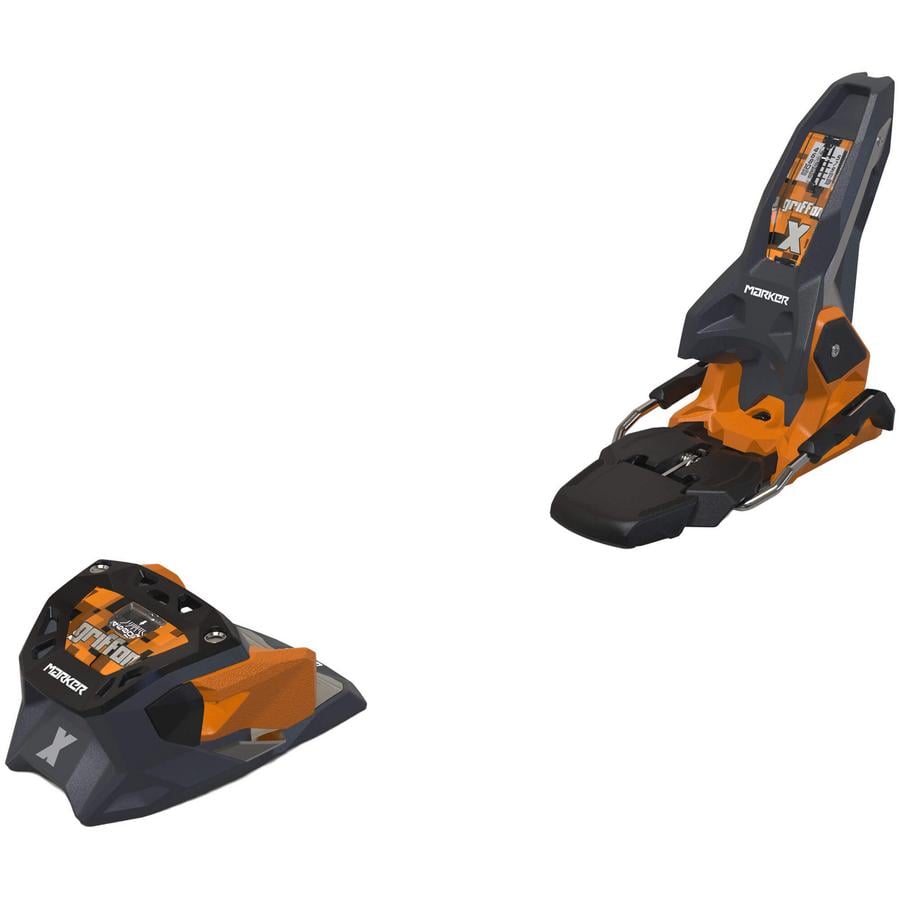
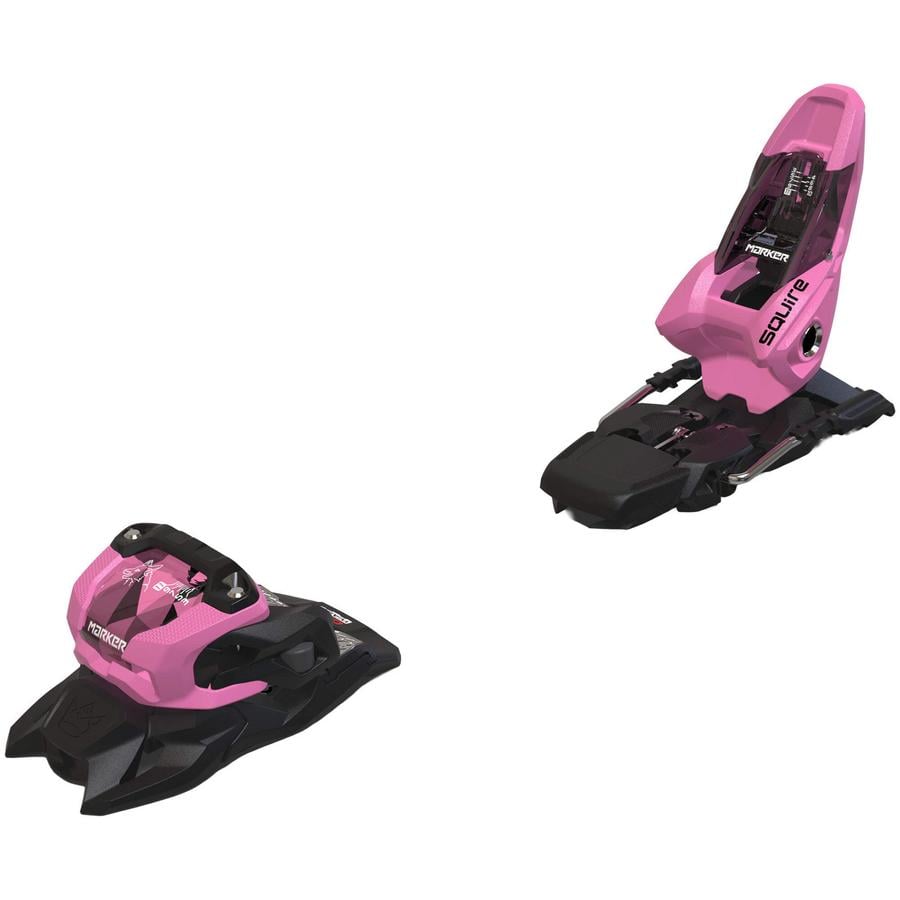
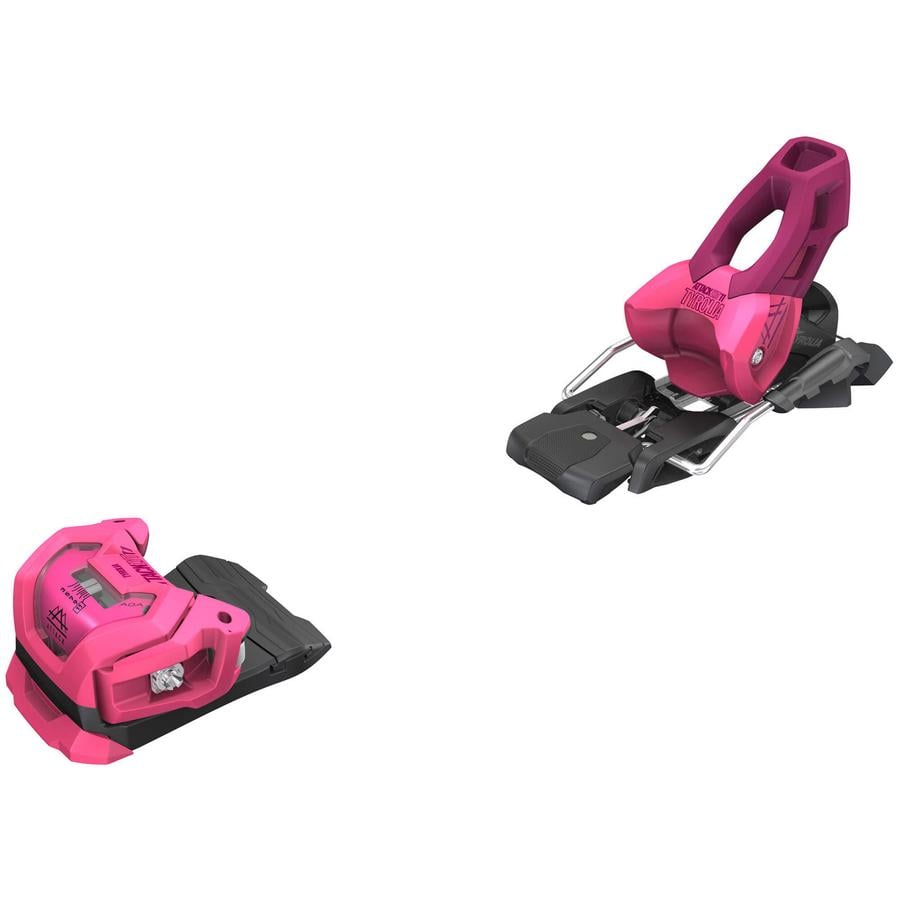
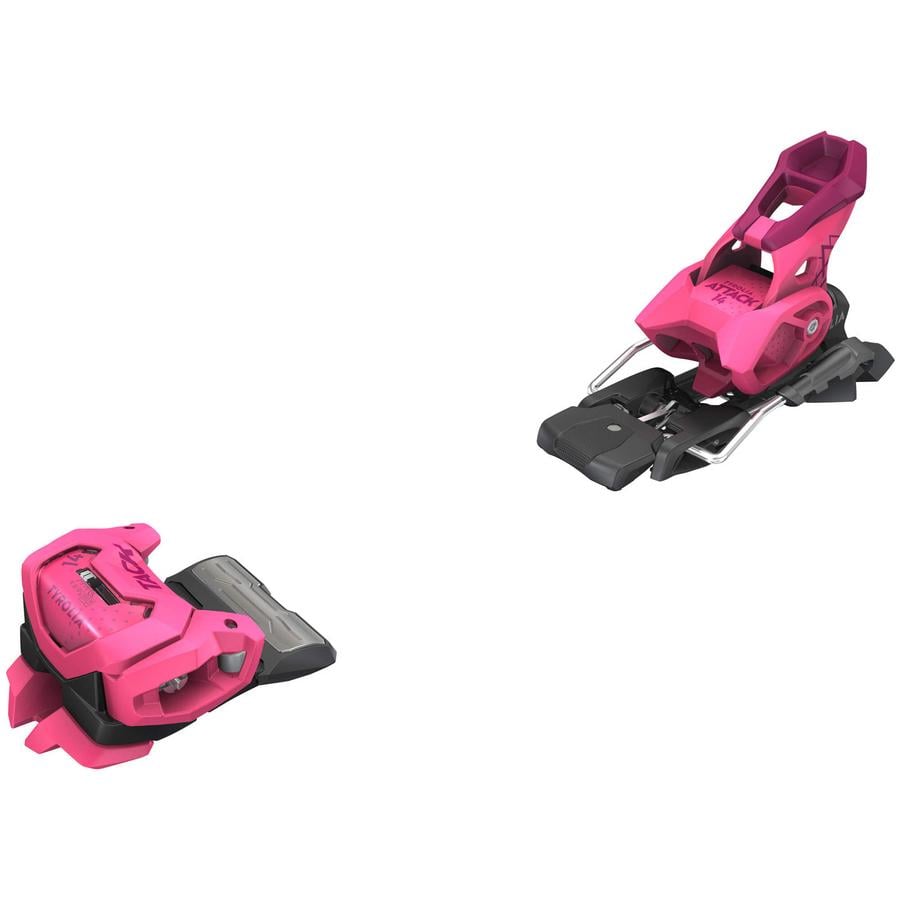
Explore Our Latest Ski bindings
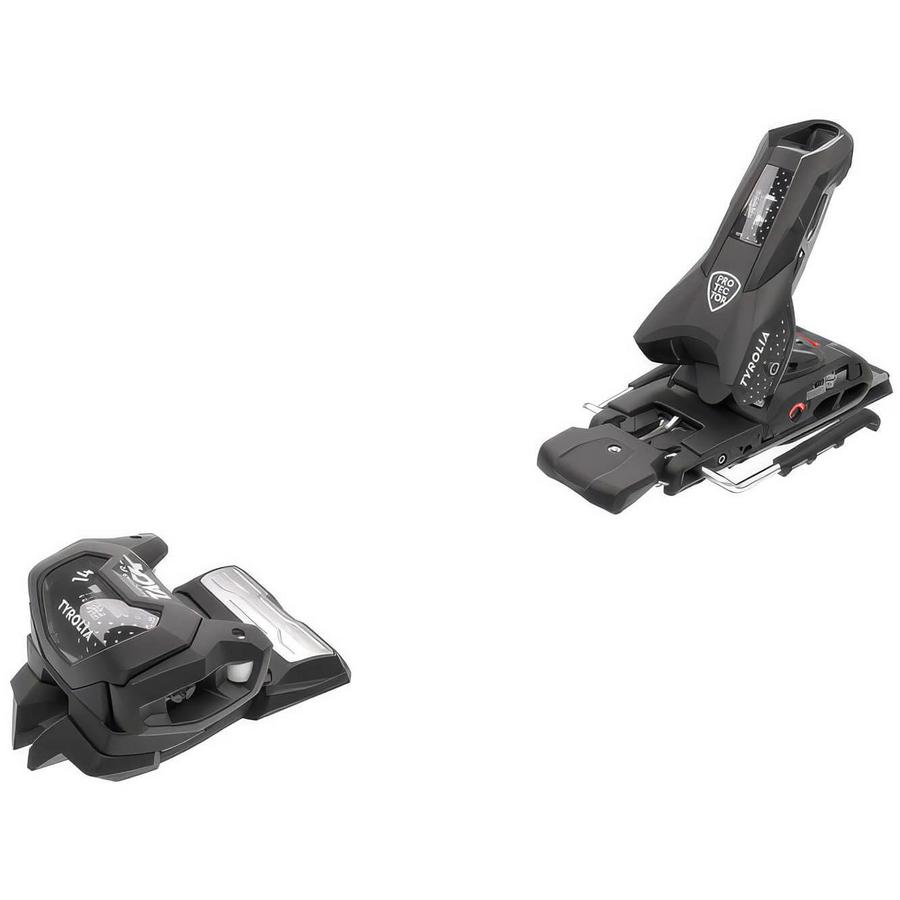

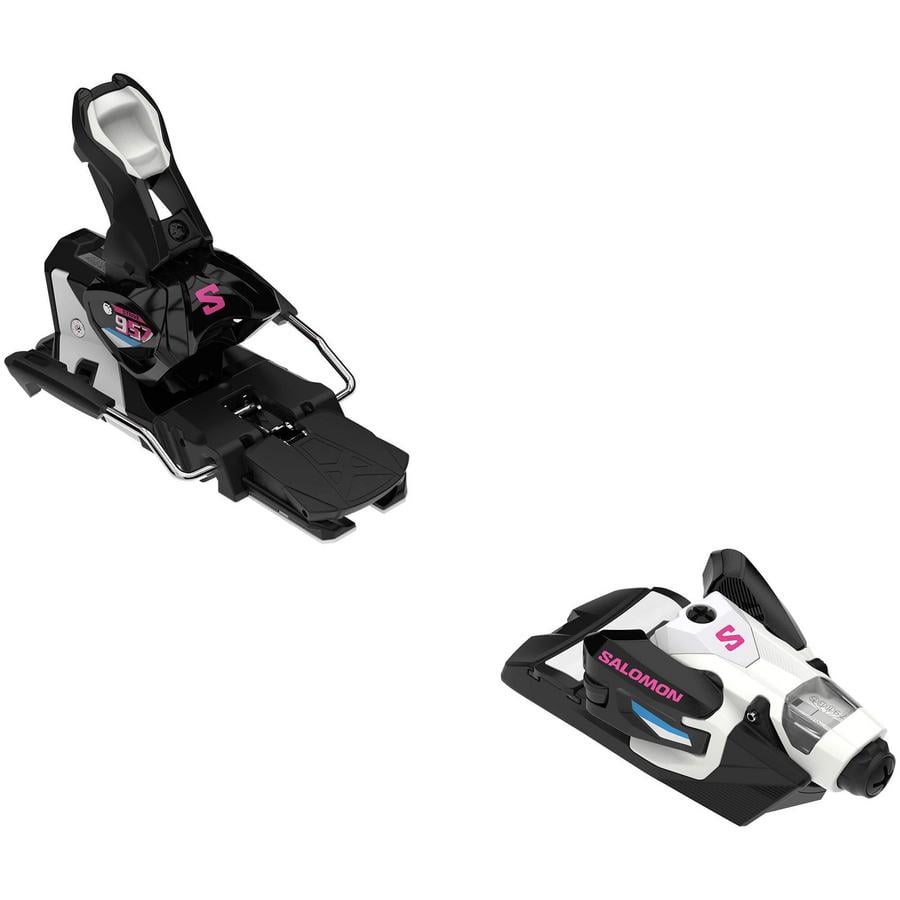

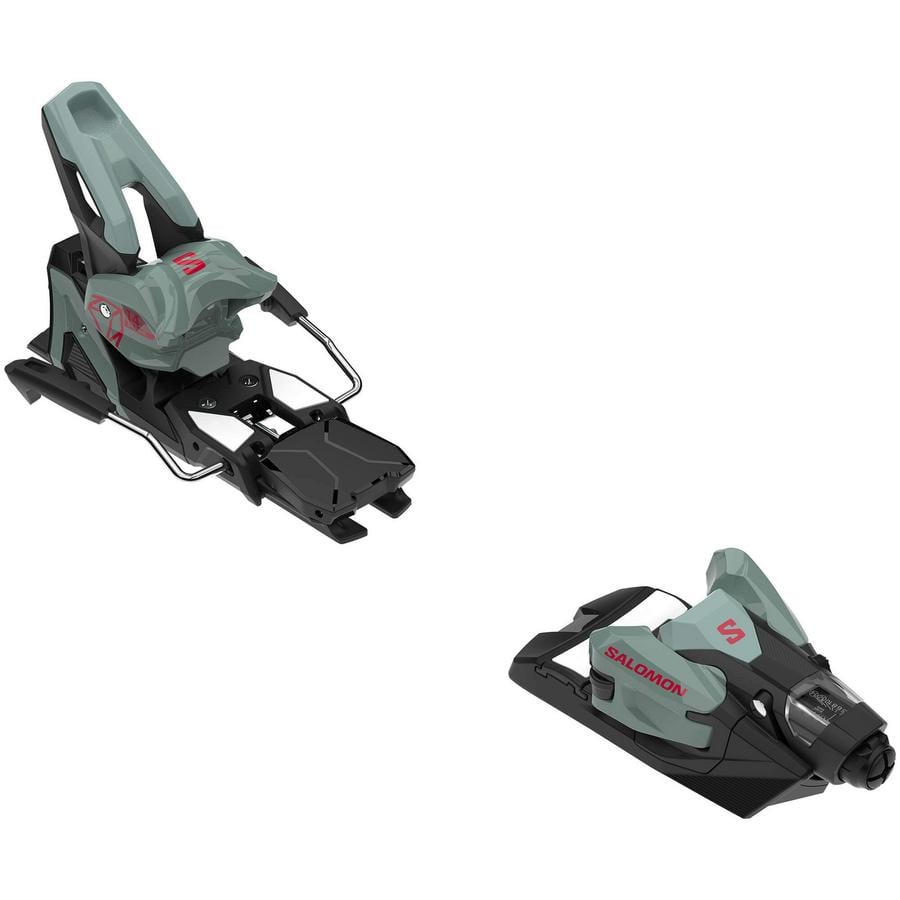

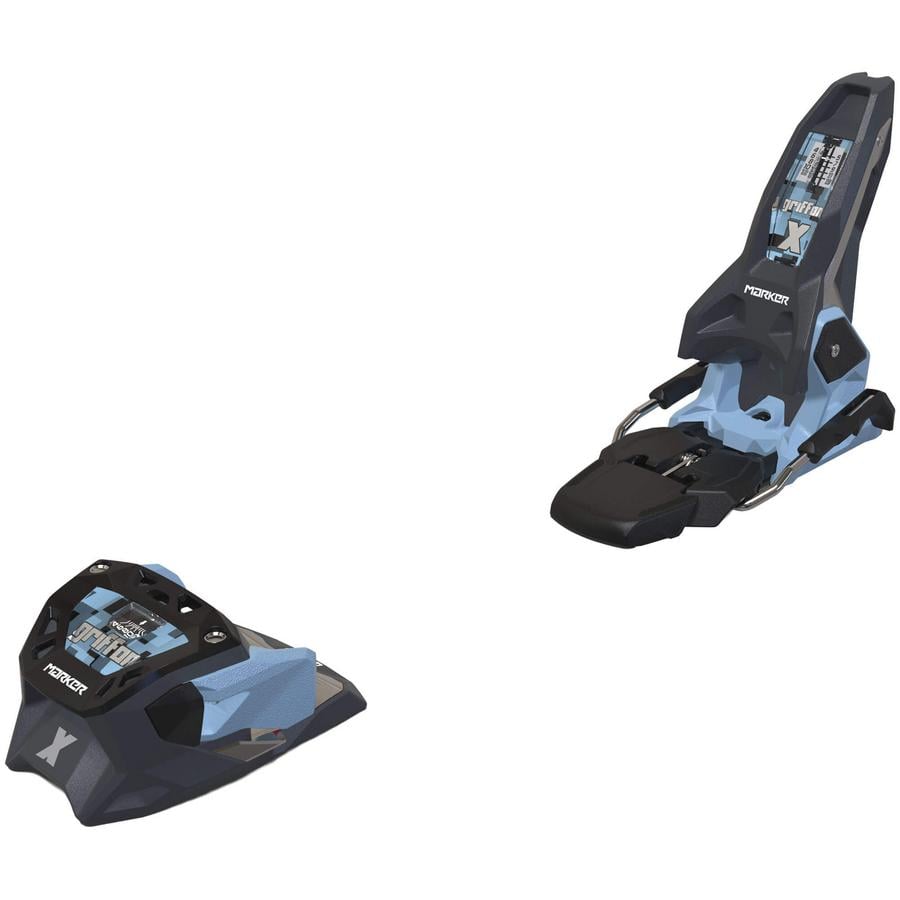



Need further advice? We're here to help!
Check out our Buying Guides for technical tips and tricks.
Visit our Help Centre to speak to our experts.