Outdoor Footwear - Clean, Waterproof & Care Guide

Your footwear is one of the hardest-working parts of your outdoor kit. From muddy hiking trails and wet weekends in the hills to snowy ski trips and everyday adventures, your boots and shoes take plenty of punishment.
Regular cleaning and waterproofing can help remove dirt, maintain breathability and keep water out. It's also worth repairing and caring for your footwear rather than replacing it as soon as it starts looking tired.
Whether you're cleaning a pair of hiking boots after a muddy walk, freshening up your waterproof shoes or getting your boots ready for the ski season, here's how to keep your outdoor footwear in great shape.
Why Should You Clean Your Outdoor Footwear?
Mud, dirt, sweat and grime don't just make your footwear look dirty. Built-up dirt can affect breathability and water repellency, which can reduce the performance of your boots and shoes over time.Cleaning your footwear regularly helps remove this build-up and prepares the surface for a fresh waterproofing treatment when needed.
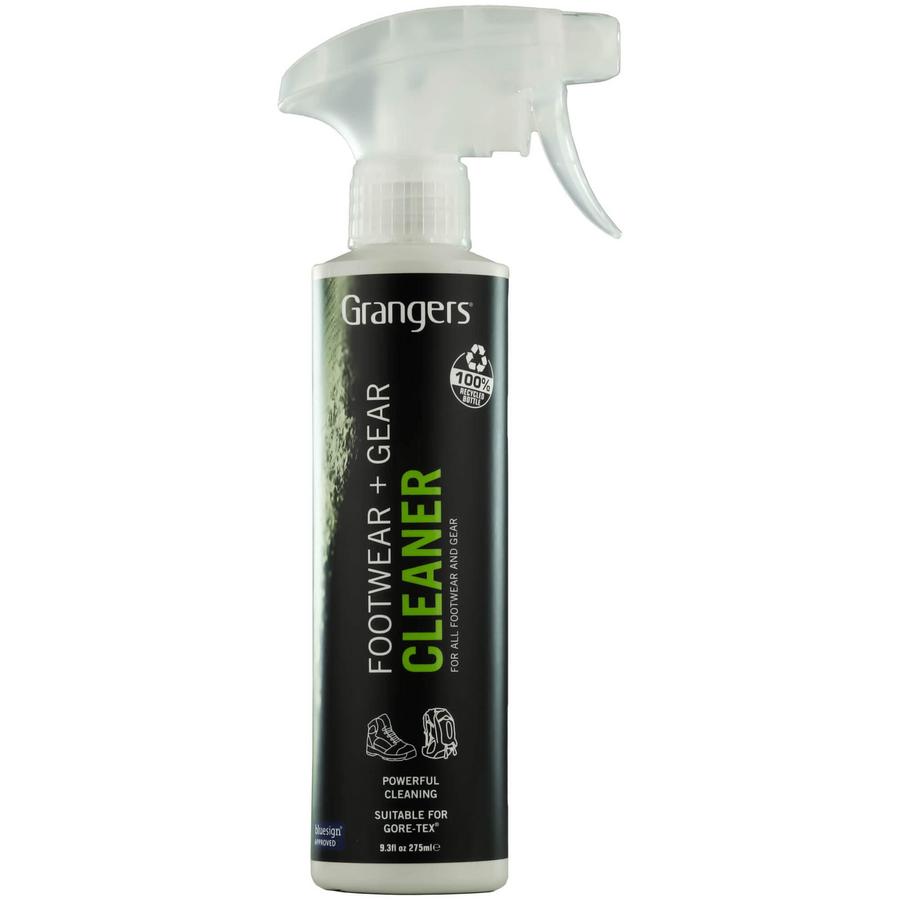
Grangers Footwear + Gear Cleaner is a spray-on cleaner designed to remove dirt, grime and odours from outdoor footwear without damaging existing water repellency. It's suitable for materials including GORE-TEX, eVent, suede, nubuck, leather and fabric.
How to Clean Hiking Boots & Outdoor Shoes
Step-by-step footwear cleaning
Remove the laces. This gives you better access to the whole upper and allows you to clean the laces separately.Brush off loose dirt and mud. Remove as much dried dirt and debris as possible before applying cleaner.
Apply a specialist footwear cleaner. Spray onto the areas you want to clean.
Wipe with a clean, damp cloth. Work the cleaner into areas with more stubborn dirt.
Allow your footwear to dry naturally. Keep it away from direct heat such as radiators, fires or hairdryers.
Grangers Footwear + Gear Cleaner is a great option for regular footwear cleaning and can also prepare boots and shoes for a new waterproofing treatment.
Top tip: Don't throw muddy walking boots straight in the washing machine or soak technical footwear in household detergent. Specialist footwear cleaners are designed for the materials and technical features used in outdoor footwear.
How to Waterproof Hiking Boots & Outdoor Footwear
If water is no longer beading on the outside of your boots or shoes, or your feet are getting wetter than they used to, it may be time to refresh the waterproofing.Always clean your footwear before waterproofing it. Removing dirt and grime first helps the waterproofing treatment work more effectively.
The right waterproofing treatment depends on the material of your footwear.
Leather boots
Smooth leather boots benefit from regular nourishment as well as waterproofing. A suitable wax can help protect leather from water, stains and oils while helping prevent it from drying out.Grangers Waterproofing Wax is made with natural beeswax and is designed to provide durable water repellency while nourishing leather footwear. It's suitable for all leather footwear, including footwear using GORE-TEX and eVent membranes.
How to use leather waterproofing wax:
Start with clean, dry leather footwear.
Apply a small amount of wax to a clean cloth.
Rub it into the leather, paying particular attention to seams and joints.
Apply 2–3 thin coats, allowing the footwear to dry between applications.
Allow the boots to dry naturally before wearing them.
Suede and nubuck boots
Take extra care when waterproofing suede and nubuck. Wax isn't usually the best choice if you want to maintain the original appearance and texture of these materials.Wax can darken suede and nubuck and flatten the characteristic raised nap, making the material look more like smooth leather. A specialist spray-on footwear proofer is a better option if you want to retain the appearance of suede or nubuck.
GORE-TEX and waterproof footwear
For footwear with a waterproof membrane such as GORE-TEX, use a cleaner and waterproofing treatment designed specifically for footwear. Grangers offers products suitable for GORE-TEX, eVent and a range of other technical footwear materials.How to Care for Ski & Snowboard Boots
Ski and snowboard boots don't usually need the same waterproofing routine as hiking boots, but they still benefit from regular care.After a day on the mountain:
Remove snow, dirt and grime from the outside.
Empty and dry the boots properly.
Remove liners if the manufacturer recommends doing so.
Allow everything to dry thoroughly before storing.
Check buckles, straps, soles and other components for damage.
Don't put ski or snowboard boots directly against a radiator or other intense heat source. Excessive heat can damage or deform materials and components.
For après-ski boots and waterproof winter footwear, follow the same clean, dry and waterproof approach you'd use for hiking footwear, selecting a treatment appropriate for the upper material.
How Often Should You Clean Your Walking Boots?
There's no fixed schedule. Clean your walking boots whenever they've accumulated significant dirt or mud, particularly after wet or muddy adventures.You should also clean them before applying a new waterproofing treatment and before storing them for an extended period.
For regular hikers, a quick clean after particularly muddy walks can help prevent dirt building up and make deeper cleaning easier later on.
How to Dry Hiking Boots & Waterproof Footwear
Drying your footwear properly is just as important as cleaning it.After cleaning:
Remove the insoles if appropriate and allow them to dry separately.
Open the footwear as much as possible.
Stuff boots loosely with newspaper or suitable drying material if needed.
Leave them somewhere warm and well ventilated.
Allow them to dry naturally and completely before wearing or storing them.
Avoid radiators, fires, hairdryers and other intense sources of direct heat. Excessive heat can damage leather, adhesives and technical materials.
How to Make Your Walking Boots Last Longer
Good footwear care doesn't stop at cleaning and waterproofing.Remove mud after muddy walks
Don't leave dried mud sitting on your boots for weeks. Brush off loose dirt and clean your footwear when necessary.Keep an eye on the soles
Check the tread regularly. Worn soles can affect grip, particularly on wet, muddy or rocky terrain.Check the upper and seams
Look for cracks, tears, damaged stitching or areas where the sole is beginning to separate from the upper. Catching problems early can help prevent more extensive damage.Store footwear clean and dry
Before putting your hiking boots or outdoor shoes away for the season, clean them thoroughly and make sure they're completely dry. Store them somewhere cool, dry and well ventilated.Clean & Waterproof Your Footwear with Grangers
Looking after your outdoor footwear doesn't have to be complicated. Clean first, then choose the right waterproofing treatment for your footwear's material.For everyday cleaning, use Grangers Footwear + Gear Cleaner to remove dirt, grime and odours from leather, suede, nubuck, fabric and technical footwear.
For smooth leather footwear, Grangers Waterproofing Wax provides water, stain and oil protection while nourishing the leather.
Explore our range of cleaning and waterproofing treatments and keep your footwear ready for your next adventure.
Outdoor Footwear Care Checklist
Clean: Remove mud, dirt and grime with a specialist footwear cleaner.Choose: Select a waterproofing treatment that's suitable for your footwear's material.
Protect: Reproof your boots and shoes when water stops beading on the outer material.
Dry: Allow footwear to dry naturally and completely before wearing or storing it.
Check: Look for worn soles, damaged seams, cracks and other problems.
Store: Keep clean, dry footwear somewhere cool and well ventilated.
Frequently Asked Questions
How do you clean walking boots?
Remove the laces and brush off loose dirt and mud. Apply a specialist footwear cleaner, wipe with a clean damp cloth and allow the boots to dry naturally. Avoid household detergents and intense direct heat.How do you clean waterproof hiking boots?
Use a specialist cleaner designed for outdoor footwear. Grangers Footwear + Gear Cleaner can be used on materials including GORE-TEX, eVent, leather, suede, nubuck and fabric.How do you waterproof leather walking boots?
Clean the boots first and allow them to dry. Apply a suitable leather waterproofing treatment evenly over the footwear, paying particular attention to seams and joints. Grangers Waterproofing Wax uses beeswax to provide water, stain and oil protection while nourishing leather.Can you use waterproofing wax on suede or nubuck boots?
Wax can be used on some suede and nubuck footwear, but it will alter the appearance by darkening the material and flattening the nap. If you want to maintain the original look of suede or nubuck, use a suitable spray-on footwear proofer instead.How often should you waterproof walking boots?
There isn't a fixed schedule. Reproof your boots when water stops beading on the outer material or when the manufacturer's recommended treatment needs refreshing. Clean your boots before applying a new waterproofing treatment.Can I use Grangers Footwear + Gear Cleaner on GORE-TEX?
Yes. Grangers Footwear + Gear Cleaner is suitable for GORE-TEX, eVent and other outdoor footwear materials, including leather, suede, nubuck and fabric.Can you use Grangers Waterproofing Wax on leather walking boots?
Yes. Grangers Waterproofing Wax is designed for all leather footwear. Apply it sparingly to clean leather, treating seams and joints, and allow it to dry naturally.How do you dry wet hiking boots?
Allow wet boots to dry naturally in a warm, well-ventilated place. Remove insoles where appropriate and avoid radiators, fires, hairdryers and other intense direct heat, which can damage some footwear materials and adhesives.Check out our full range of Footwear Clothing Repair & Care Essentials today!
Shop Outdoor Footwear & Clothing Care


Need further advice? We're here to help!
Check out our Buying Guides for technical tips and tricks.
Visit our Help Centre to speak to our experts.