Ski & Snowboard Body Armour Explained: Ride Safer, Ride With Confidence
Progression on snow should feel exciting, not intimidating. Whether you’re learning your first turns, pushing park tricks, or returning after an injury, the right Ski and Snowboard Body Armour can make a huge difference to your confidence, comfort and long-term enjoyment of the mountains.
From helmets and goggles to wrist guards, impact shorts and back protectors, modern protection is designed to help you ride freely while staying safer.
At Absolute-Snow, we believe protection should empower you, not restrict you.
Do I really need body armour for snowboarding or skiing?
Body armour isn’t just for pros or park riders anymore. Falls happen at every level, often at low speed or on busy pistes. Wearing protection helps reduce the risk of injury and, just as importantly, gives you peace of mind.
Many riders recovering from wrist, knee or back injuries find that armour helps them rebuild trust in their riding and enjoy the mountains again.
What body armour should I consider?
.jpg)
Different protection serves different purposes, and many riders mix and match depending on their needs:
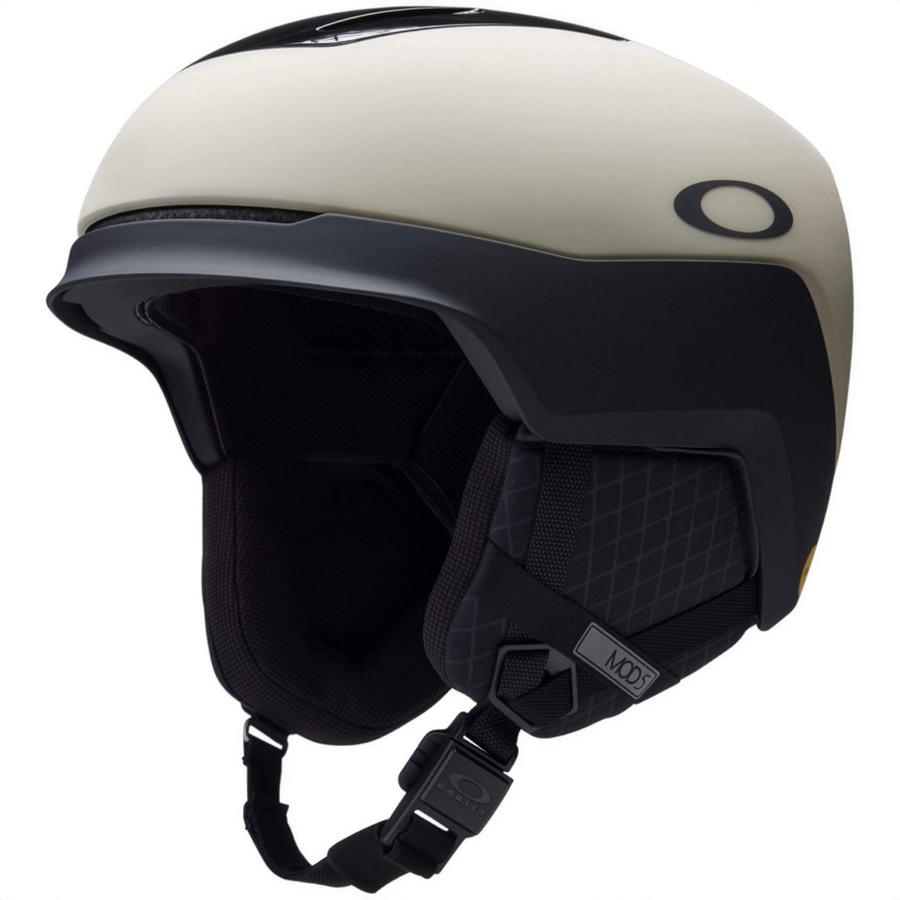
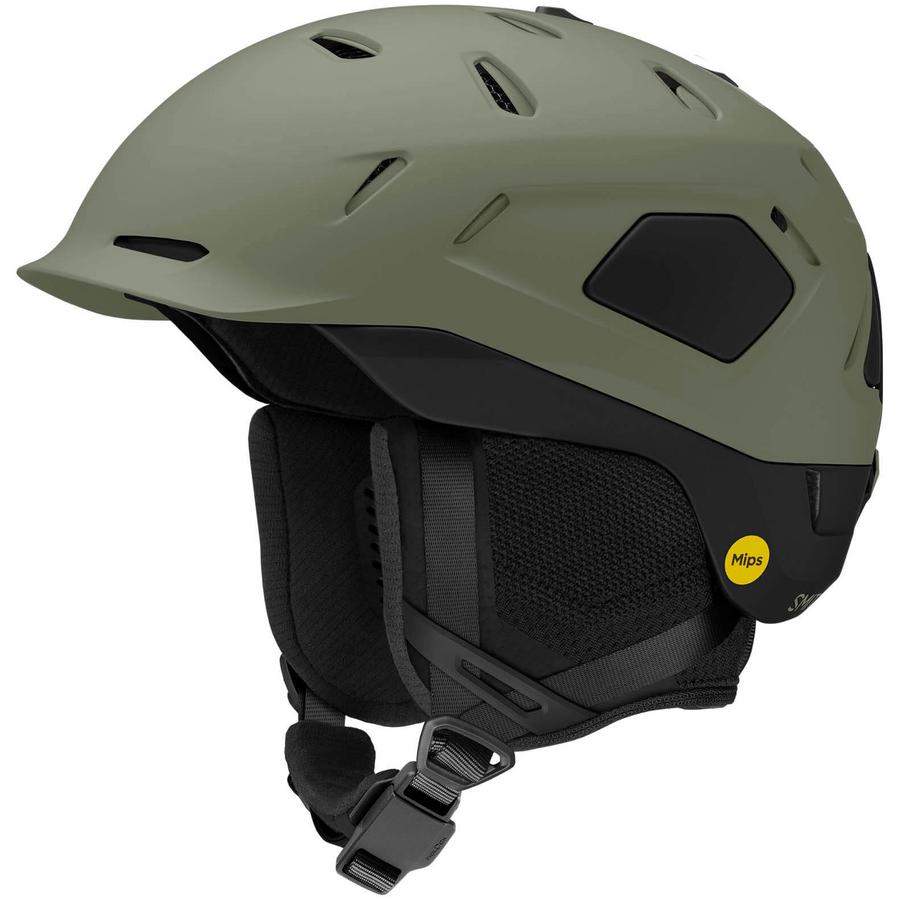
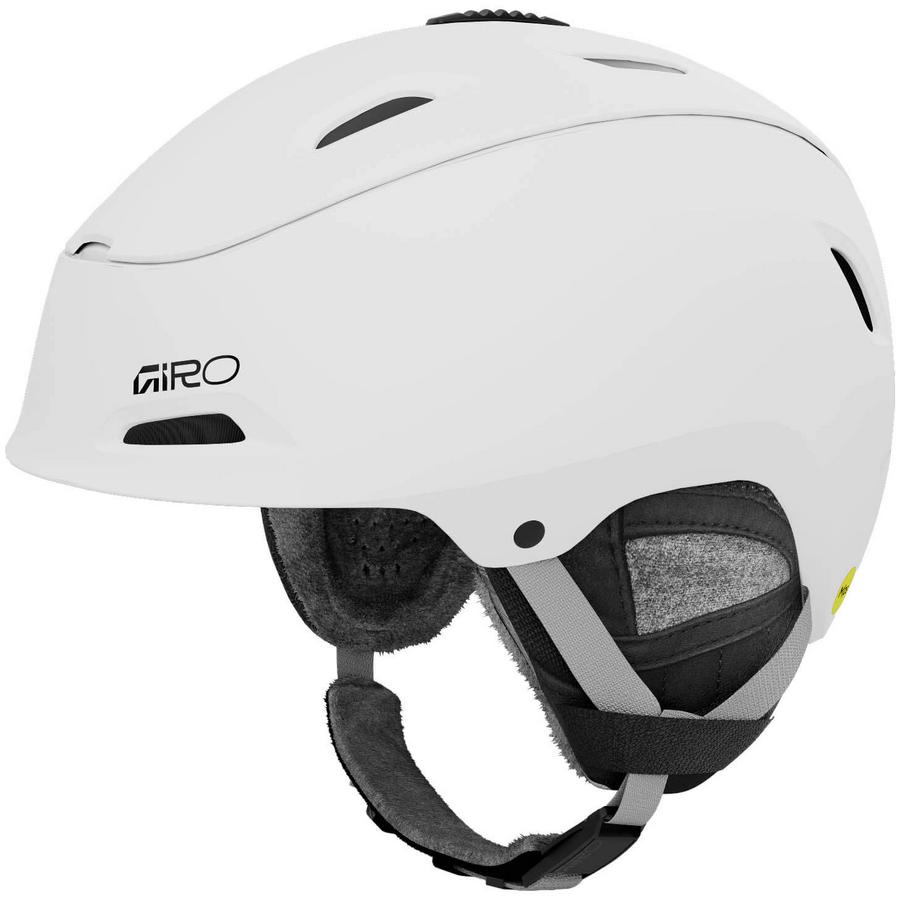
- Helmets protect against head injuries and are now considered essential for skiing and snowboarding
- Goggles protect your eyes, improve visibility and shield your face from wind, snow and UV
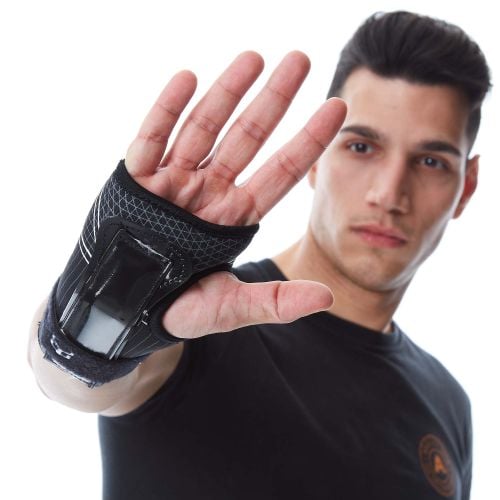
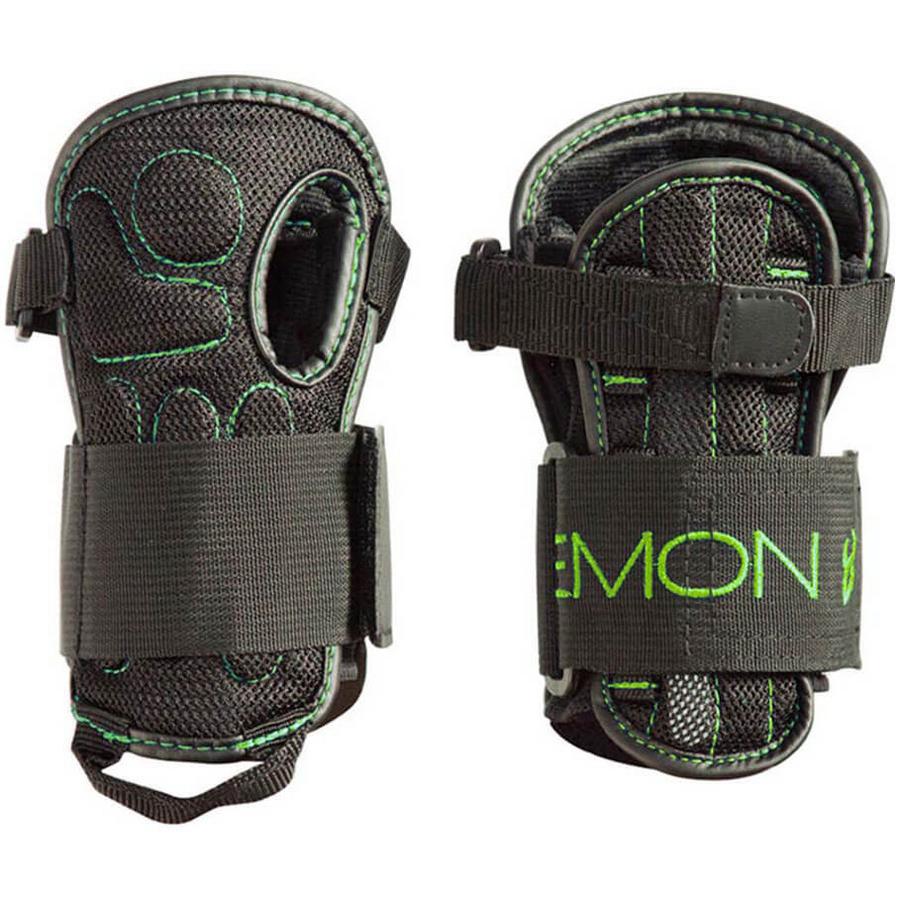
- Wrist Guards reduce the risk of fractures, especially popular with snowboarders learning or riding park
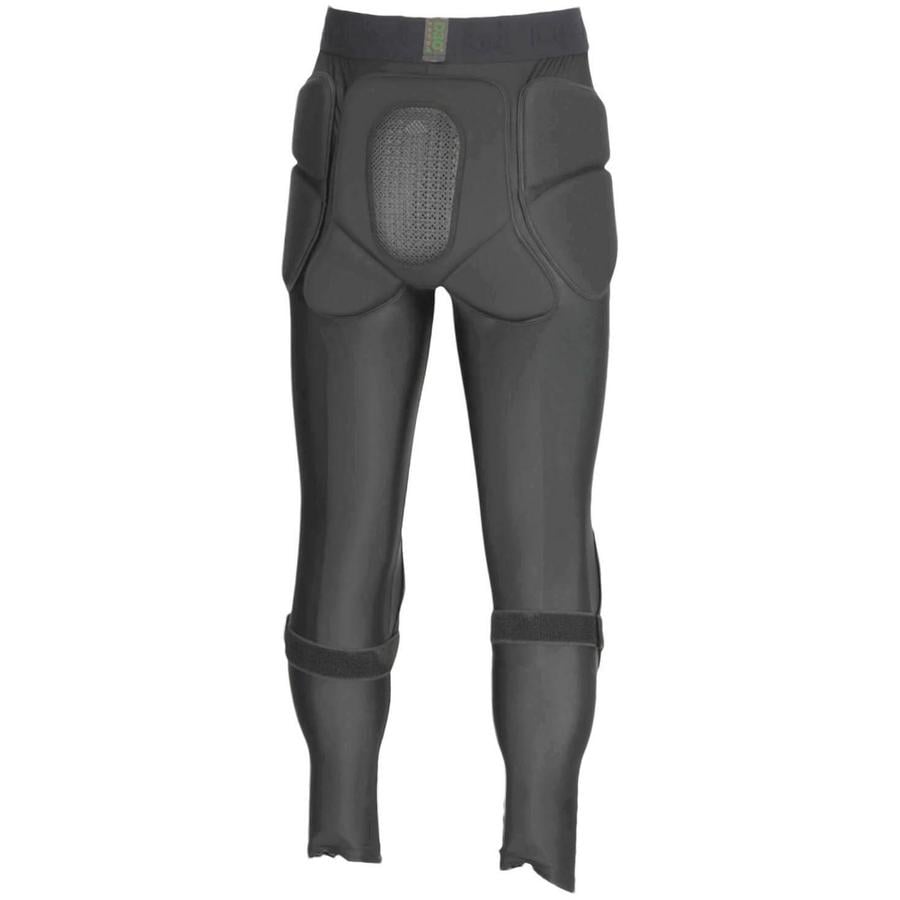
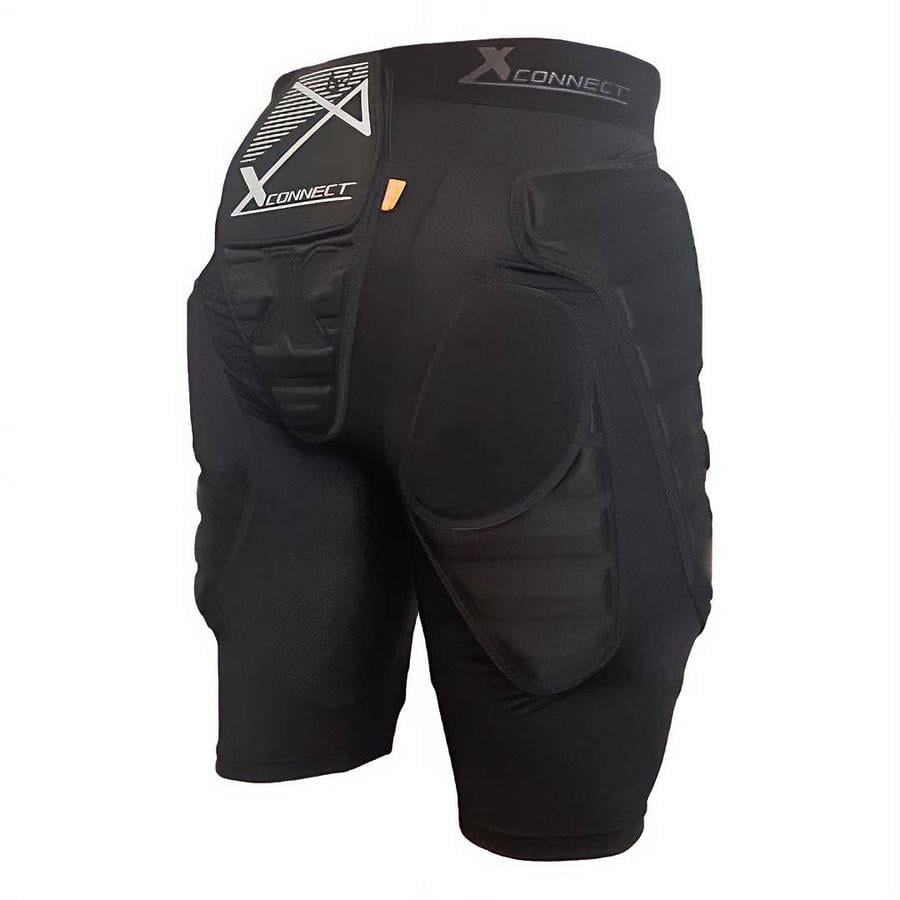
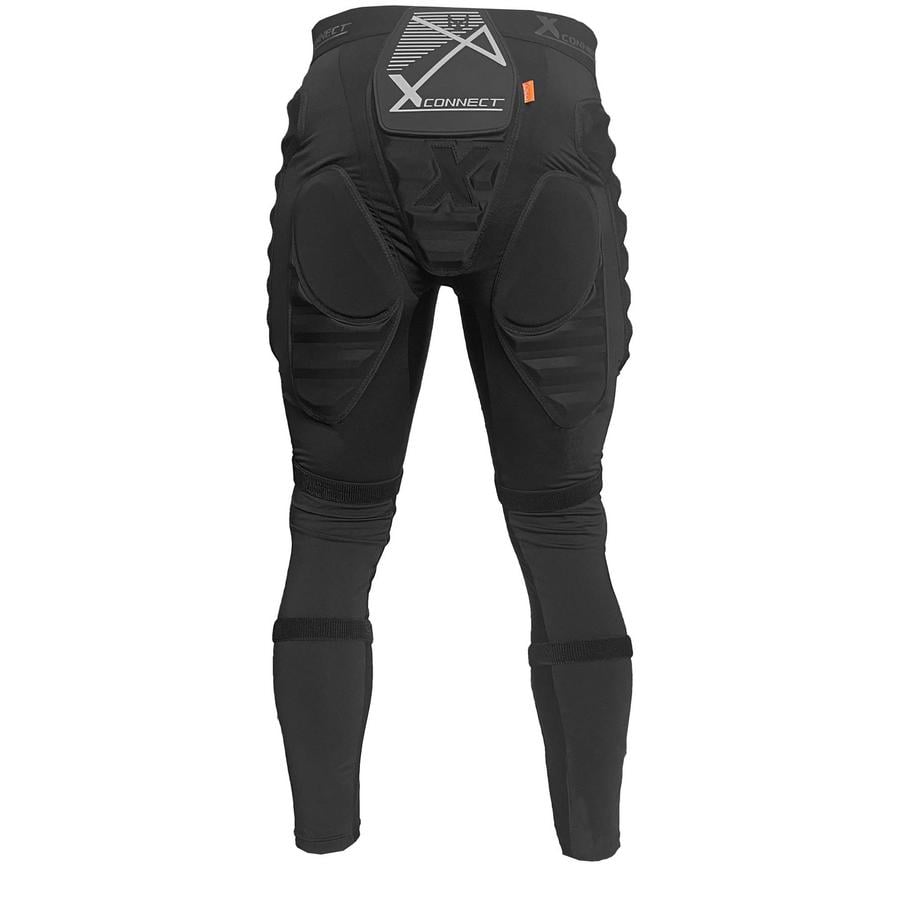
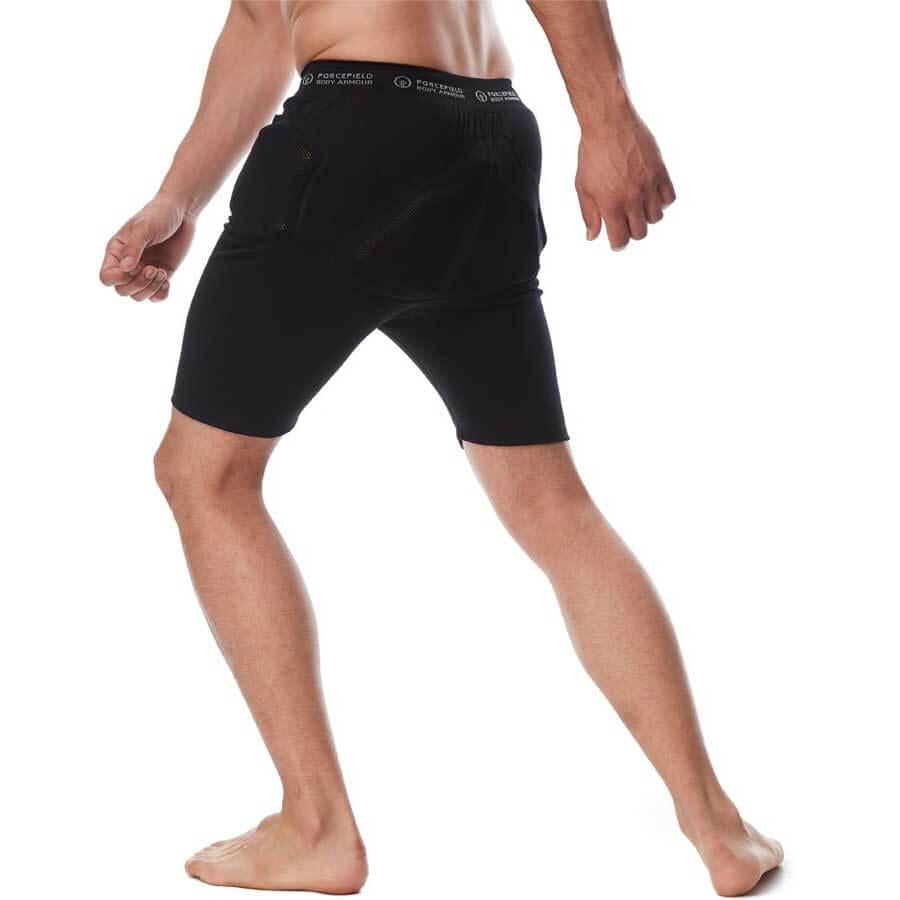
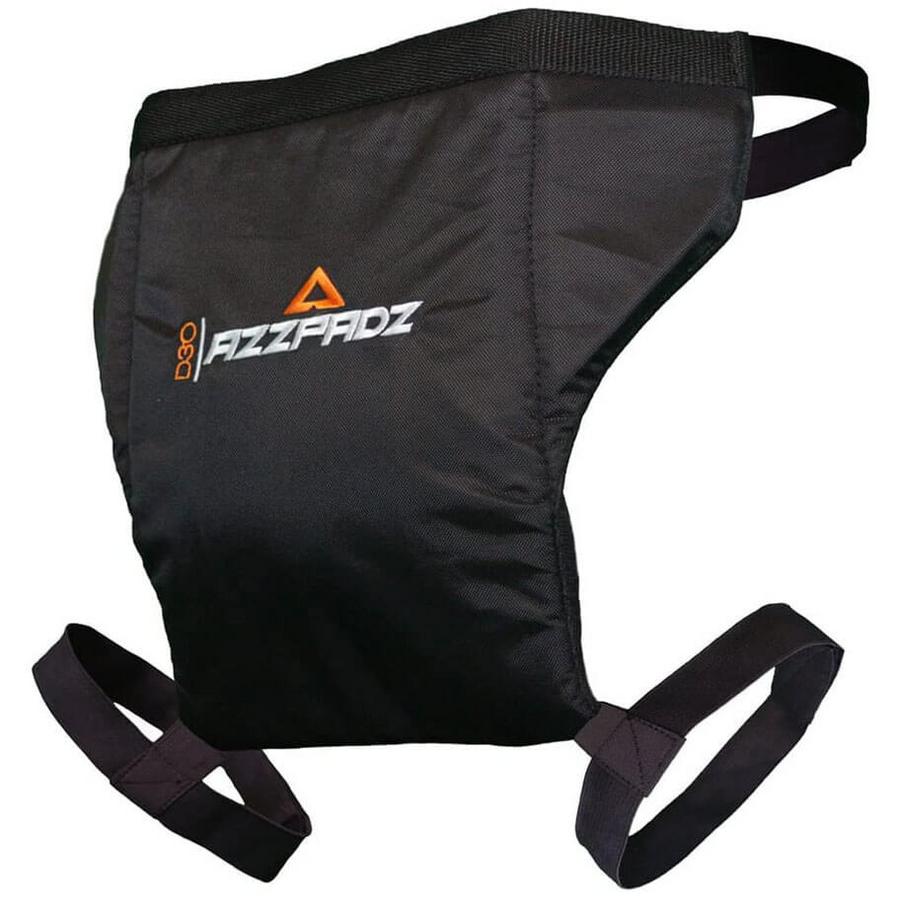
- Impact Shorts and Crash Pants cushion hips, tailbone and thighs during falls
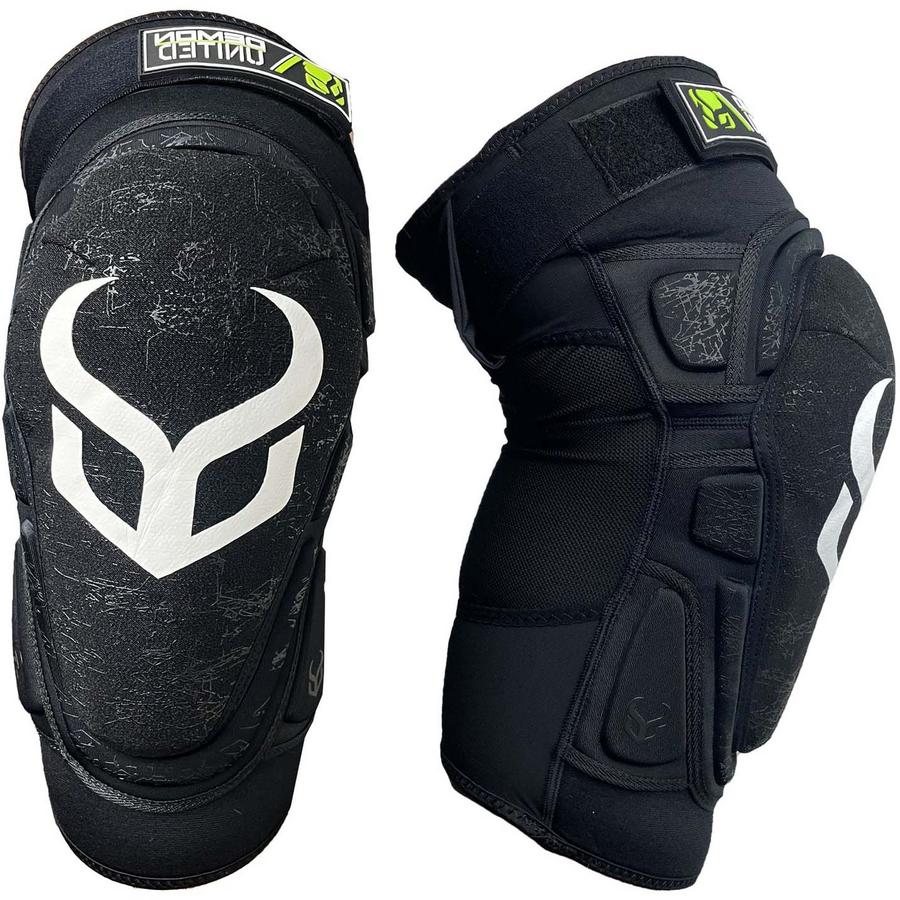
- Knee and Shin pads add confidence when riding park, hitting rails or kneeling in the snow - or just giving you that extra support to keep riding for many more years
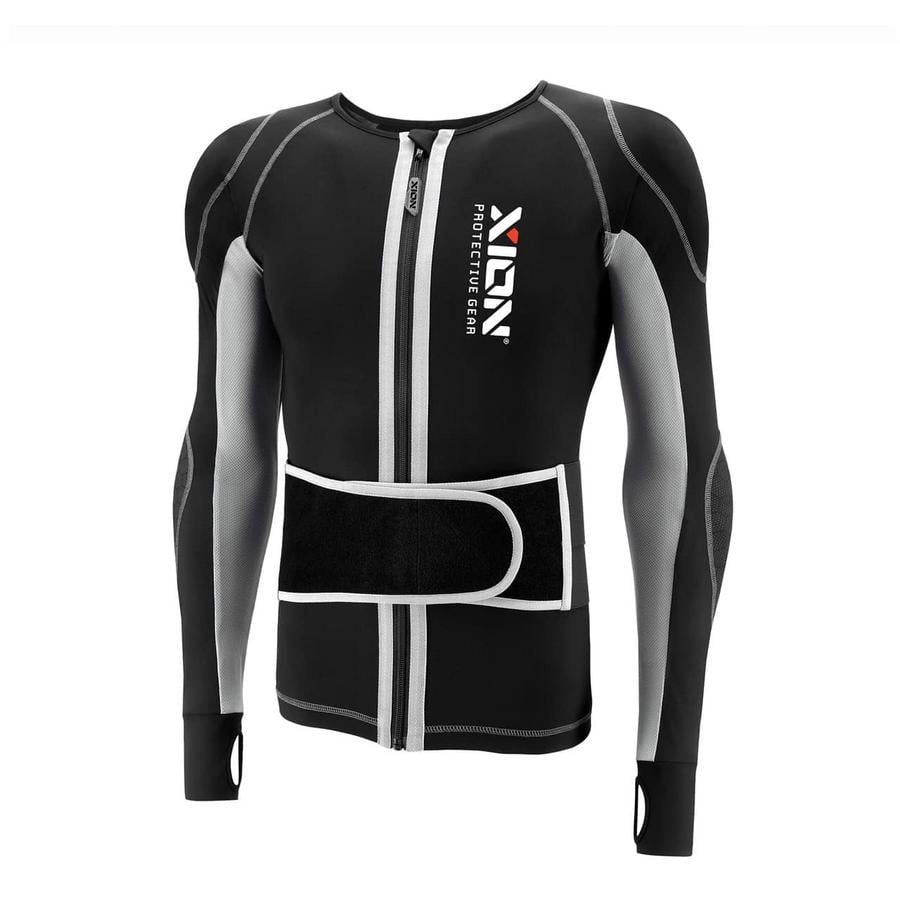
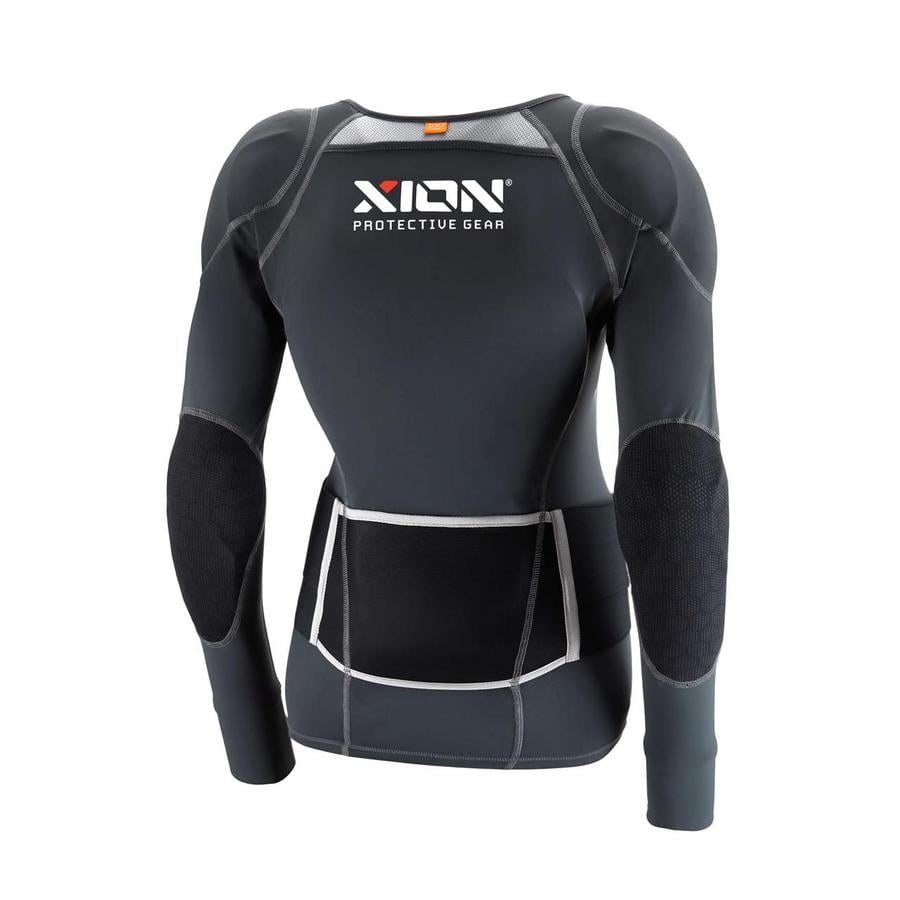
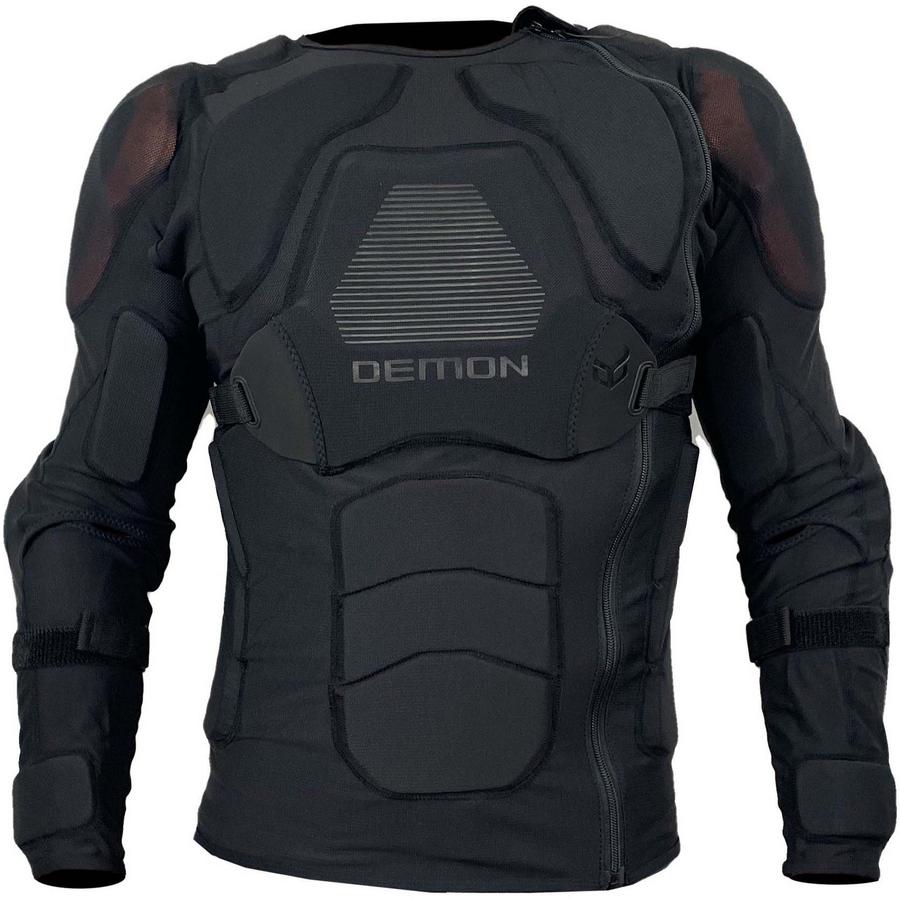
- Back and Torso Protectors help absorb impacts and support the spine, ideal for higher-speed riding or previous injuries
- Elbow Pads provide extra protection for beginners and freestyle riders






Why does quality body armour really matter?
.webp)
When it comes to protection, not all gear is created equal. Trusted brands invest heavily in research, rider testing and safety certification to ensure their products perform when it matters most. Brands like Burton, Demon, Xion and Forcefield are known for combining protection with comfort, flexibility and low-profile designs that riders actually want to wear.
While cheaper body armour from unknown online retailers might look tempting, it can come with serious downsides. Ultra low-cost protection may not meet recognised safety standards, may use foams that stiffen in cold temperatures, or fail to distribute impact forces effectively. It’s also often bulkier, heavier and less breathable, which can restrict movement and reduce confidence on snow.
High-quality armour, on the other hand, is designed to move with your body, stay comfortable all day, and deliver consistent protection run after run.
What should I look for when buying ski or snowboard body protection?
.jpg)
Start with certification and safety standards, especially for helmets and back protectors. Next, focus on fit and mobility. Protection should feel secure without limiting how you ride, whether you’re carving pistes, riding park or exploring off-piste.
Breathability and comfort are crucial too. Modern armour uses ventilated foams and moisture-wicking materials to keep you warm without overheating.
Finally, think about your personal riding goals and history. If you’re managing an old injury, extra protection around wrists, hips or back can rebuild confidence and help you enjoy longer days on the mountain.
What is D3O and why is it used in ski and snowboard protection?
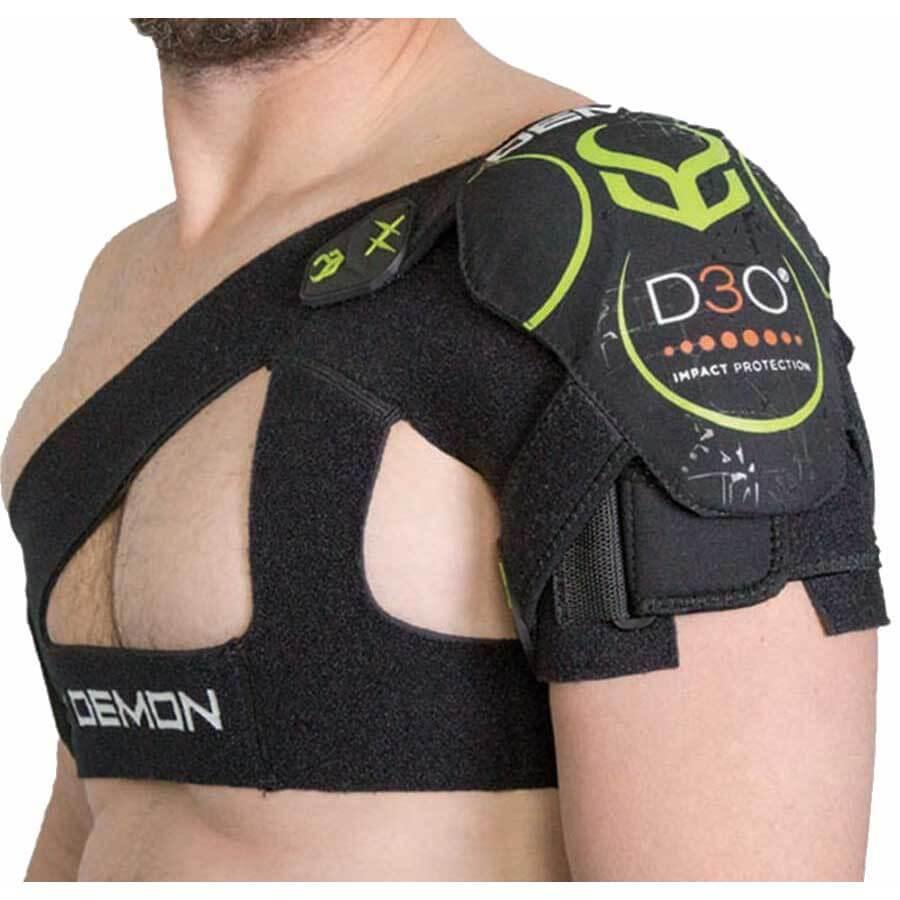
D3o is an advanced impact protection material commonly used in ski and snowboard body armour because it offers a rare combination of comfort, flexibility, and serious protection. In its normal state, D3O is soft and flexible, allowing pads and armour to move naturally with your body so they stay comfortable all day on the mountain. The magic happens on impact, where the material instantly stiffens to absorb and disperse energy, helping reduce the force transmitted to your body during a fall or collision.
This smart, non-Newtonian behaviour makes D3o ideal for protective gear like back protectors, impact shorts,
knee pads, and elbow pads, especially for riders building confidence or returning after injury. Because it stays low-profile and lightweight,
D3O protection can be worn discreetly under outerwear without feeling bulky or restrictive. Trusted by leading snow brands and used across skiing and snowboarding, D3O gives you confidence-inspiring protection that works when you need it most, without getting in the way of how you ride.
Are helmets mandatory for skiing and snowboarding?
_(1).png)
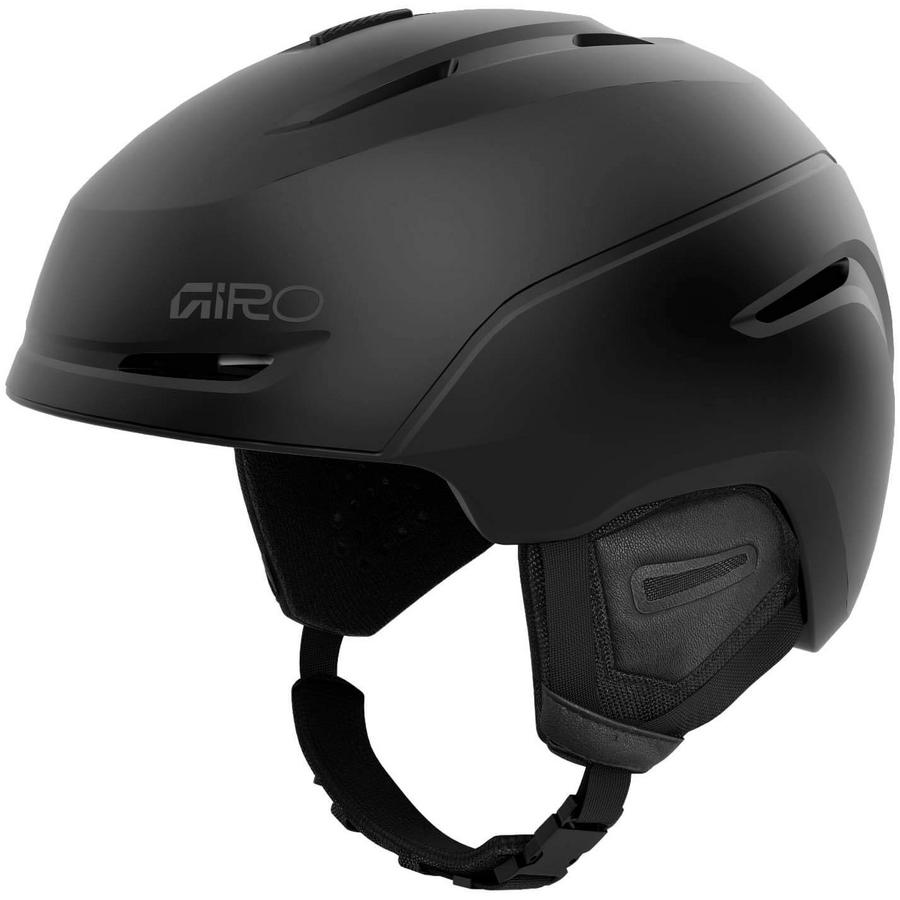
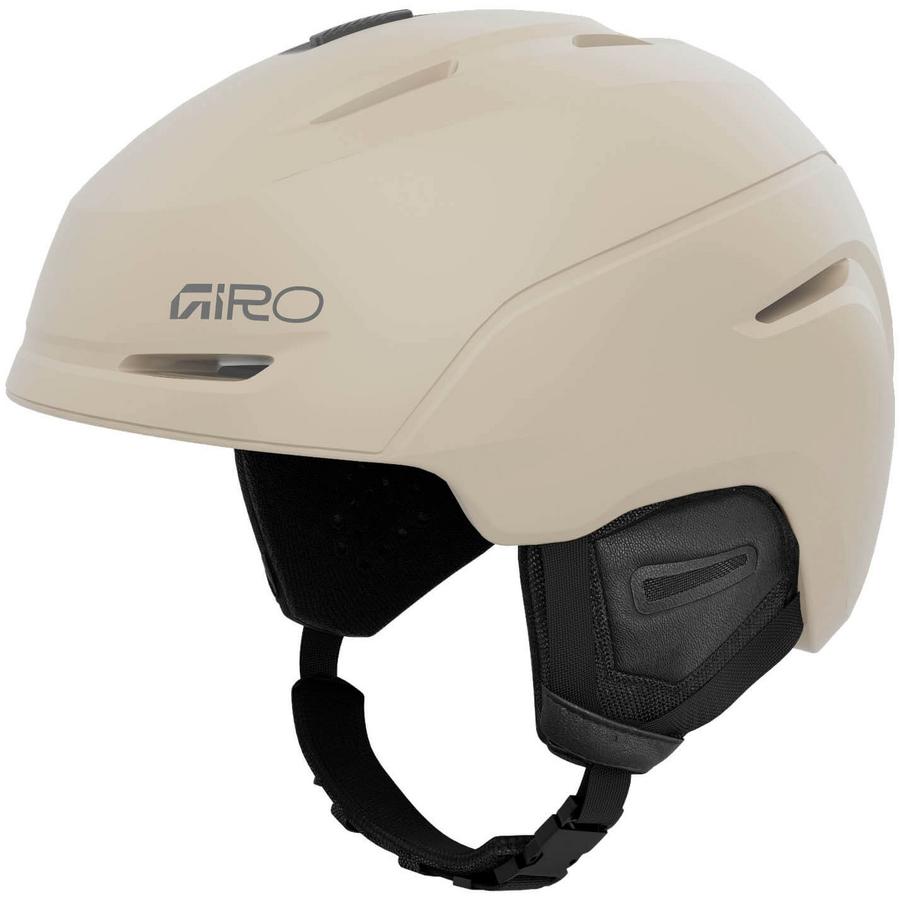
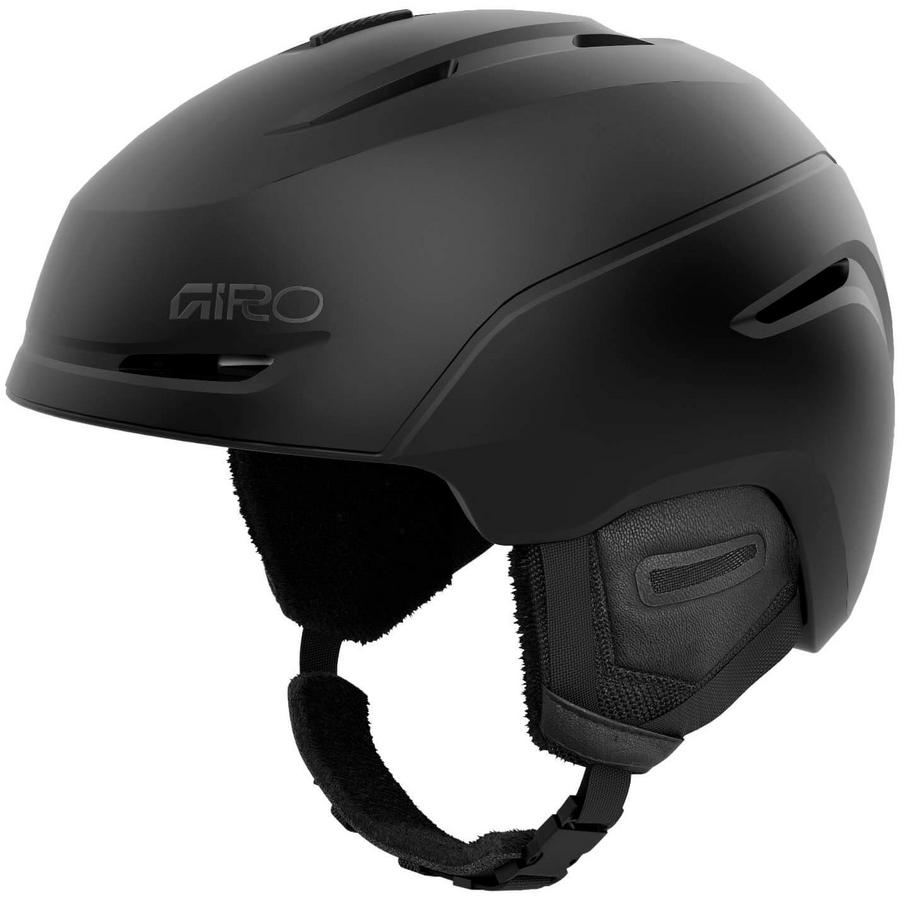
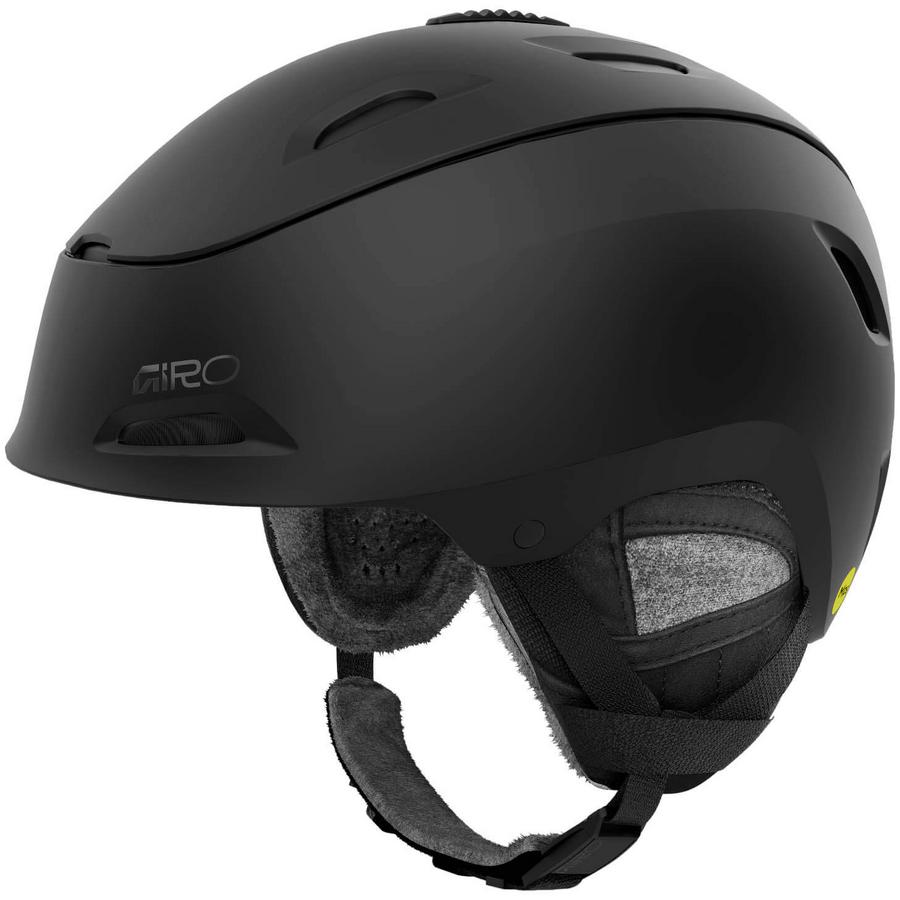
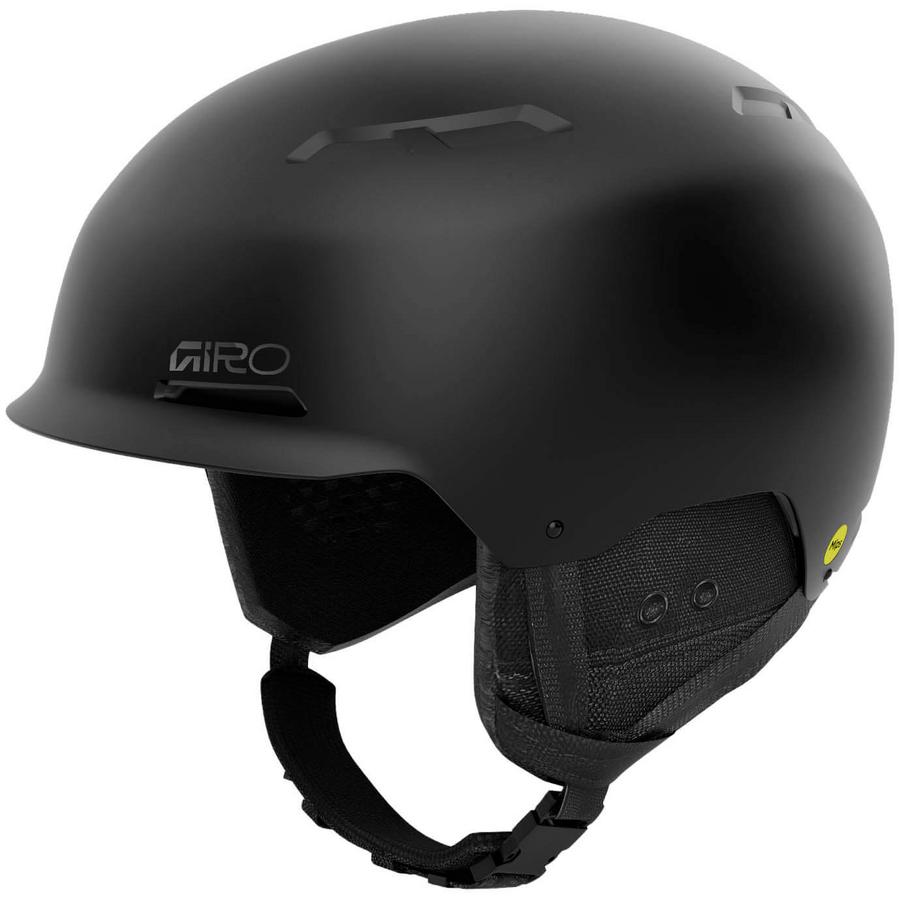
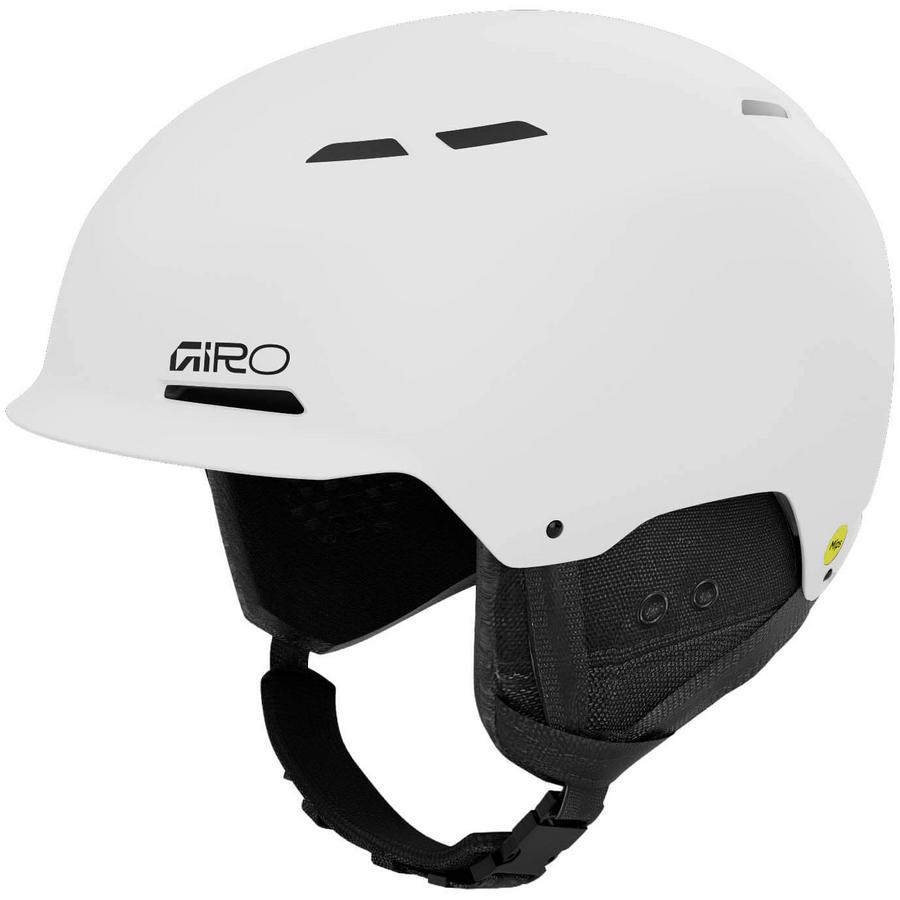
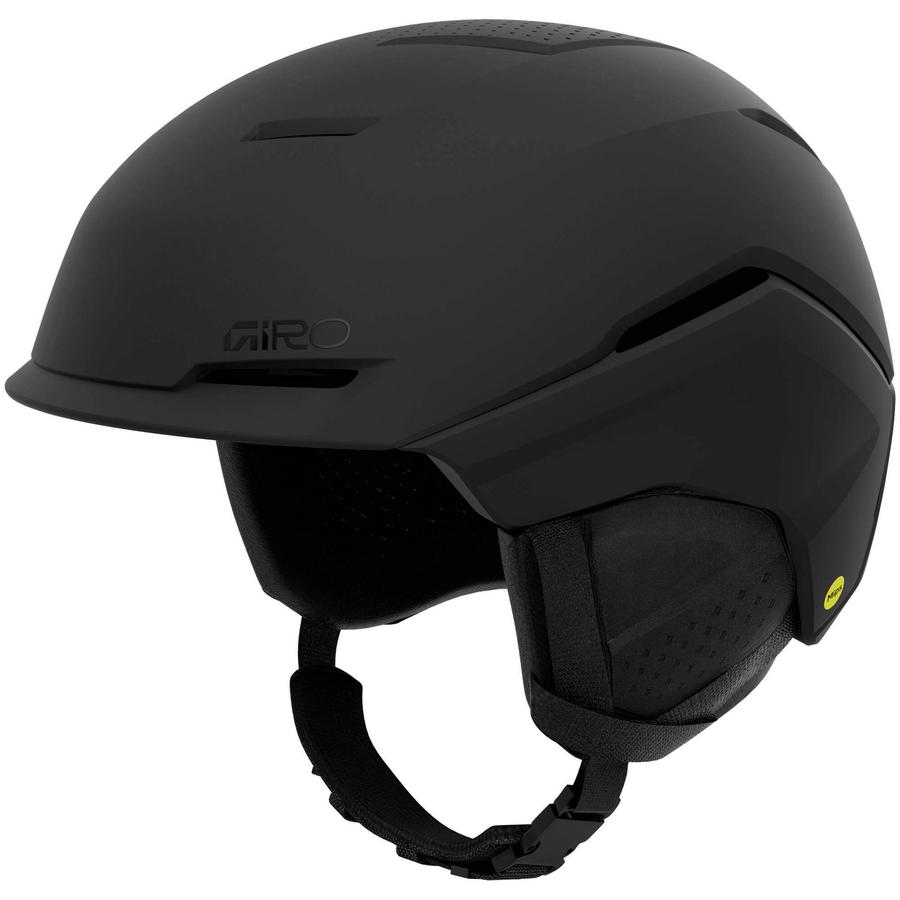
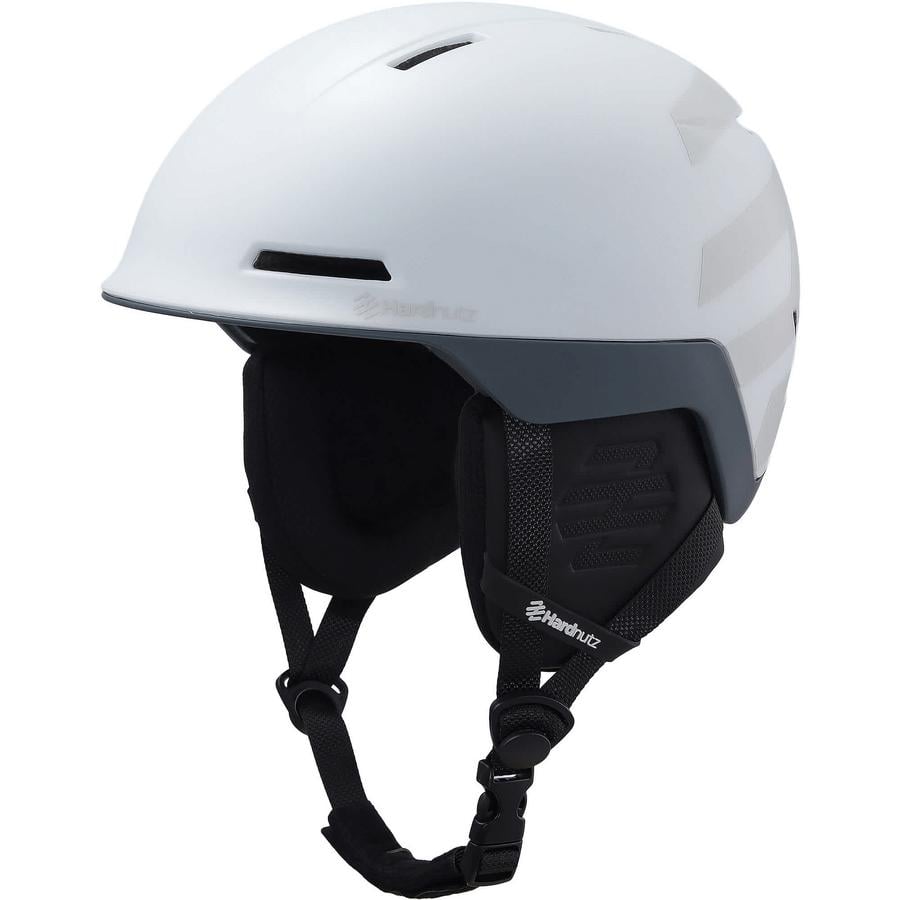
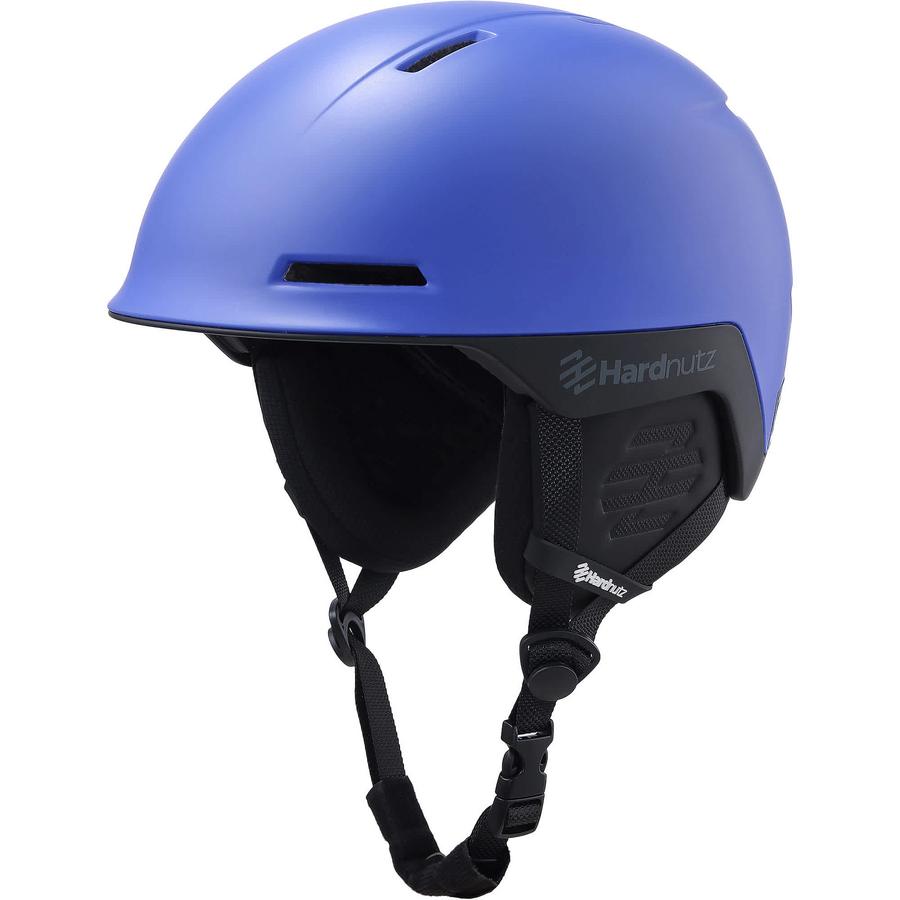
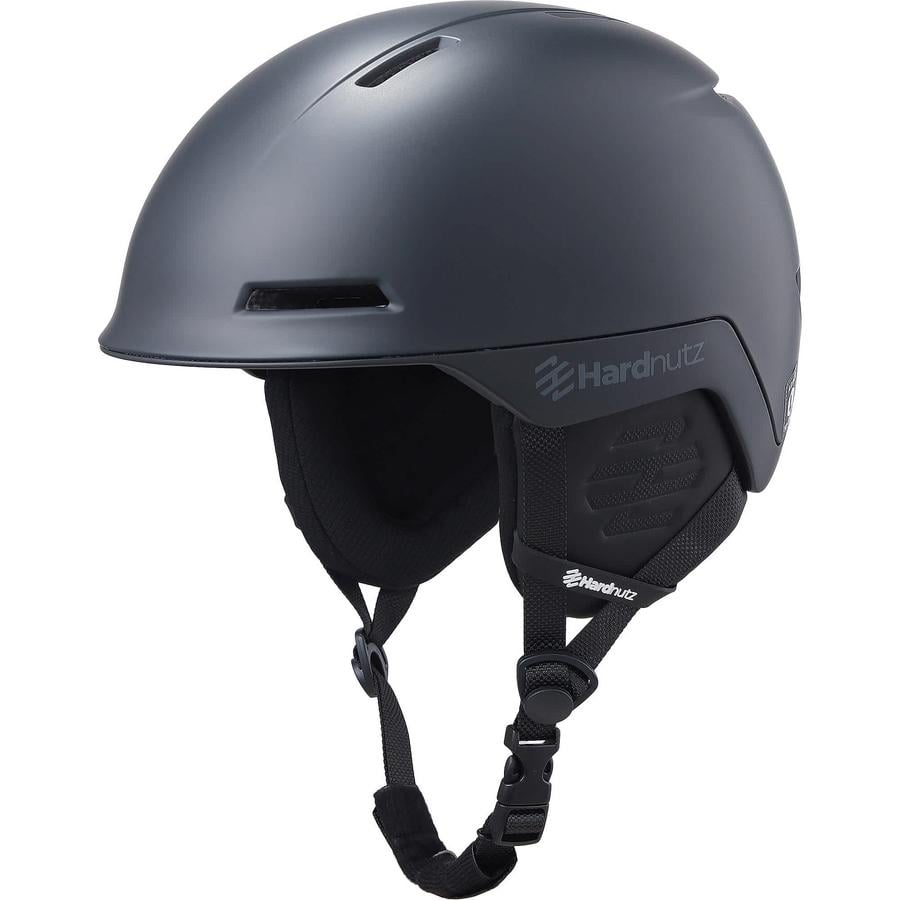
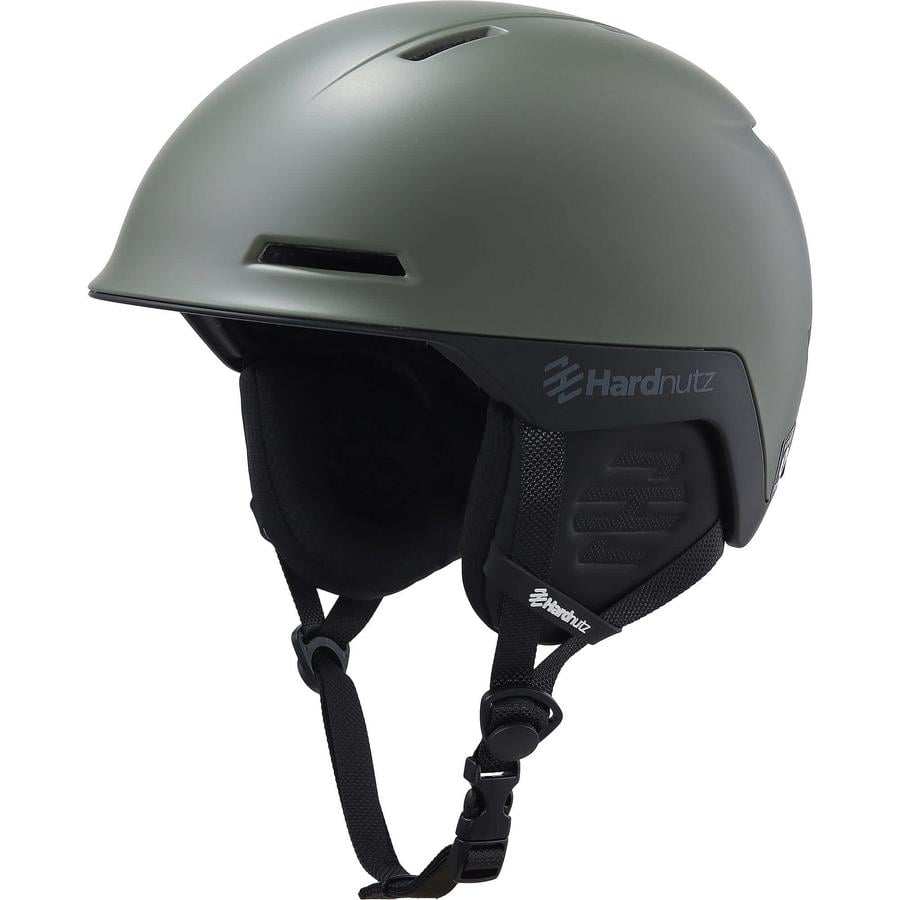
Helmet use is increasingly encouraged and, in many cases, now mandatory, especially for children and young riders. Resorts in parts of Italy, Austria and France have introduced helmet laws, and many ski schools and indoor snow domes require helmets as standard. As safety standards evolve, modern helmets now go far beyond basic protection, incorporating advanced technologies designed to reduce the risk of head injury and improve overall comfort.
Today’s leading helmet systems include rotational impact protection such as Mips, which helps reduce rotational forces on the brain during angled impacts, and WaveCel, a cellular structure designed to flex, crumple, and glide to absorb energy more effectively. You’ll also find helmets using Koroyd, a lightweight tubular core that crushes consistently on impact while allowing excellent airflow for all-day comfort. Each of these technologies brings a different approach to managing impact energy, but they all share the same goal of improving protection without adding bulk.
If you want to dive deeper into how these systems work, explore our detailed guides on Mips technology, WaveCel helmets, and Koroyd helmets. The result of these innovations is a new generation of helmets that are lighter, better ventilated, and more comfortable than ever, making helmet use a genuine no-brainer for safety, confidence, and progression on the mountain.

What protection should beginners wear?
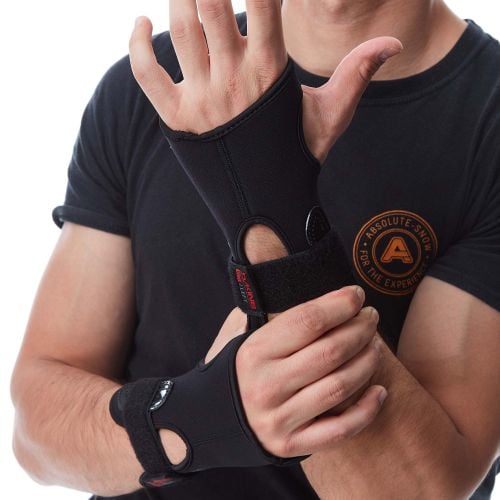
Beginners in both skiing and snowboarding can benefit hugely from wearing the right protective gear, as learning often comes with plenty of falls. Helmets, wrist guards and impact shorts are especially valuable at this stage, helping reduce injury risk and build confidence while you find your balance. Wrist injuries are particularly common when learning, as natural instinct leads many riders to put their hands out during a fall, placing sudden stress through the wrists and forearms.
Snowboard Wrist Guards are a proven way to limit hyperextension and absorb impact, and while they’re most commonly associated with snowboarding, many beginner skiers also choose them for added reassurance. Impact shorts and Long Crash Pants provide vital padding around the hips, thighs and tailbone, cushioning those inevitable early-season tumbles. By softening impacts and reducing soreness, this protection helps you get back up faster, stay comfortable for longer, and keep the focus where it should be on learning, progressing, and enjoying your time on the mountain.
Don't forget to check out our Guide to Why Snowboard Wrist guards Are Essential when snowboarding!
Are impact shorts and crash pants worth it?
Absolutely. Impact shorts are one of the most confidence-boosting pieces of protection you can wear. They’re especially popular with beginners, freestyle riders and anyone returning from a hip or coccyx injury.
Slim profiles mean they fit comfortably under outerwear, while advanced padding absorbs repeated impacts. Browse protective options like Impact Shorts and longer coverage Long Crash Pants for extra reassurance.
Do knee pads and shin pads help on the slopes?
Knee and shin protection is ideal for snowboarders who spend time kneeling, hiking features or riding park, and for skiers who want extra joint confidence.
Modern pads are flexible, breathable and designed to move naturally with your body. They’re also popular with riders managing existing knee issues. Explore supportive options in our Shin and Knee Pads range.

Should I wear a back protector when skiing or snowboarding?
.webp)
Back protectors are increasingly common across piste, park and off-piste riding. They help absorb impact energy and support the spine, particularly useful for high-speed carving, freestyle riding or anyone with a history of back injuries.
Lightweight designs fit neatly under jackets and allow full freedom of movement. Find trusted options in our range of Torso and Back Protection.

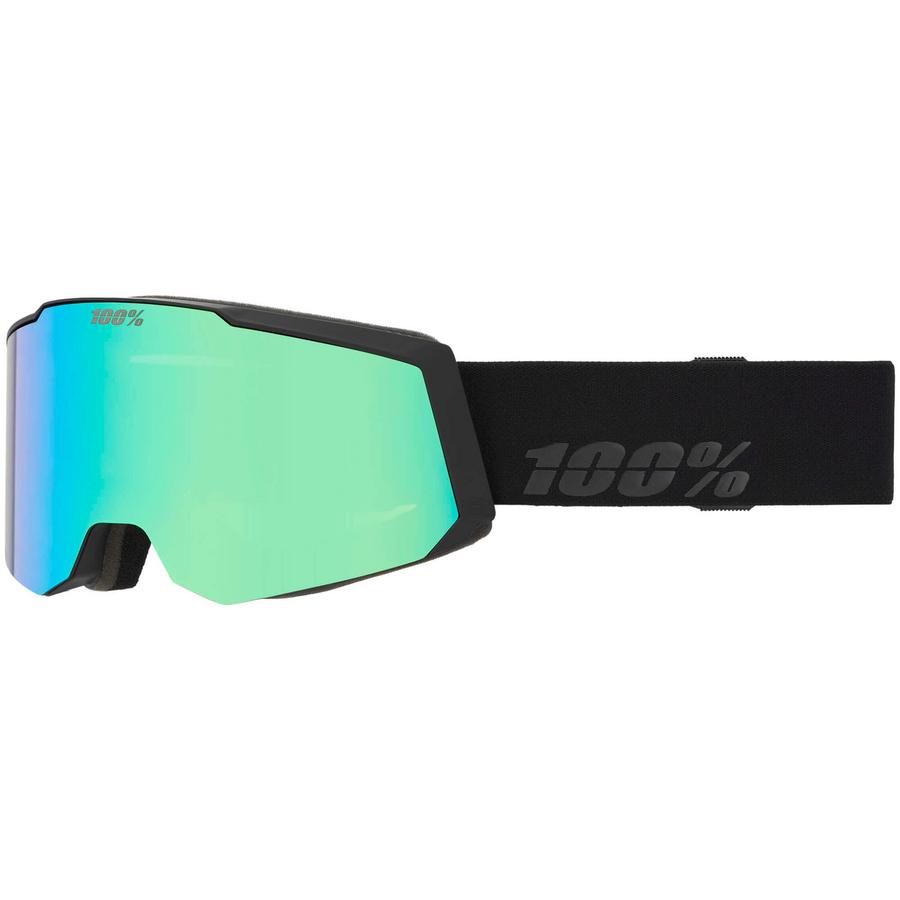
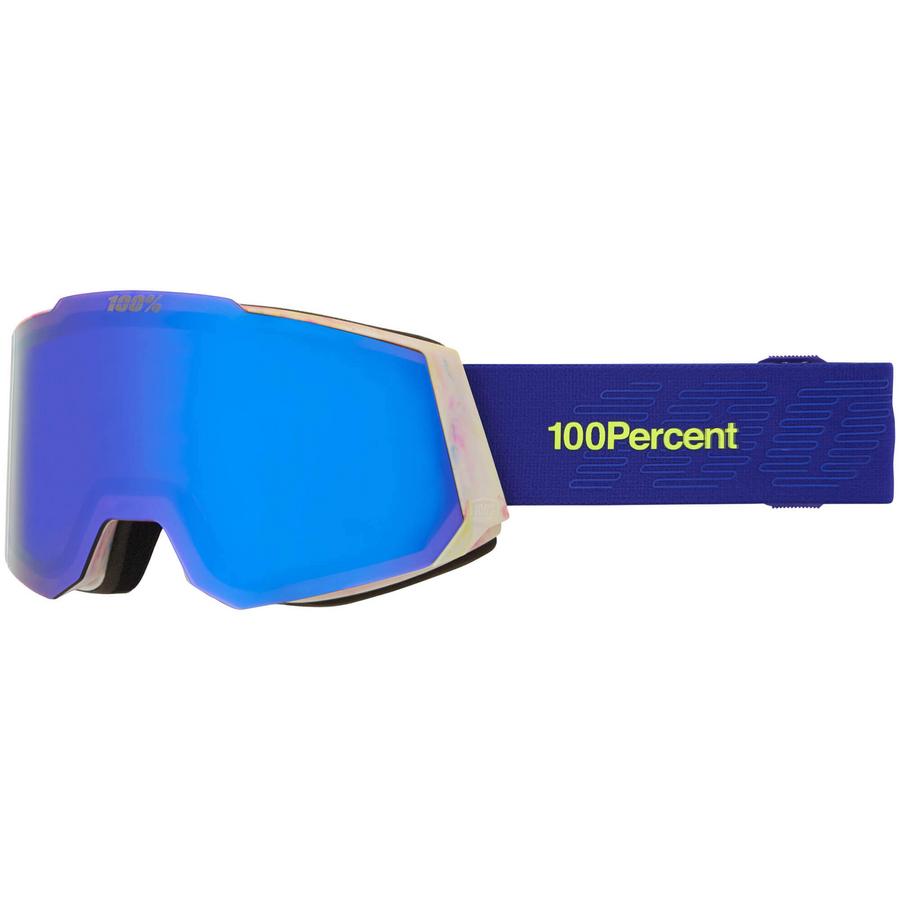
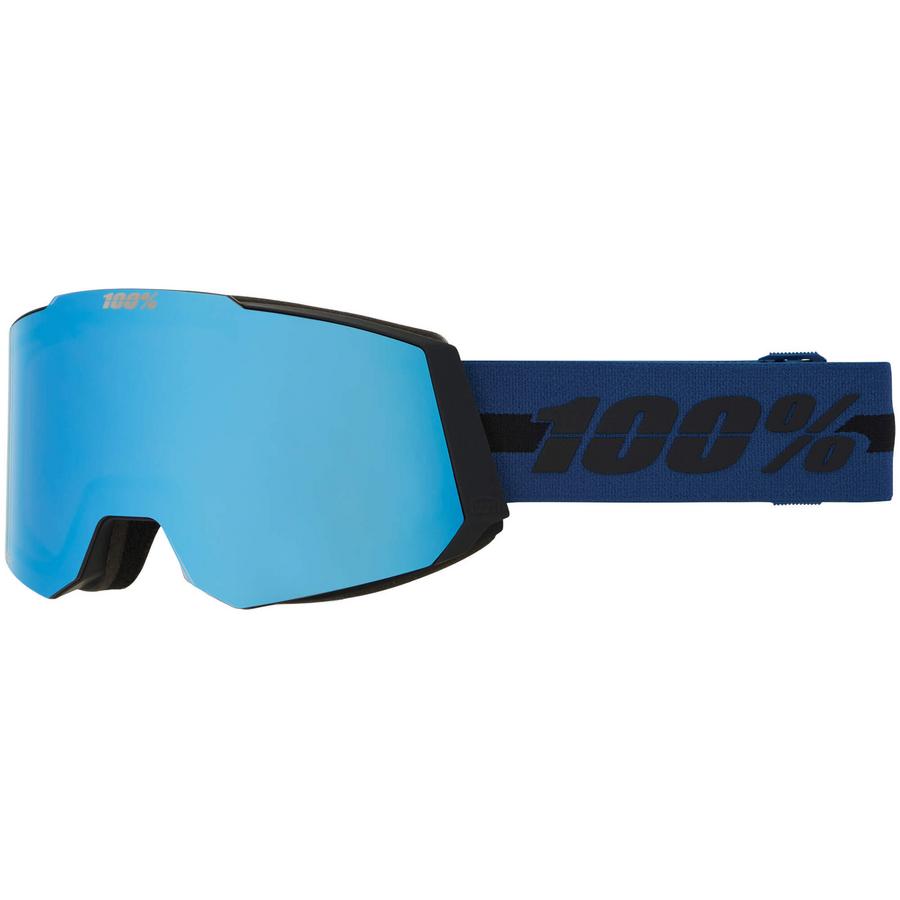
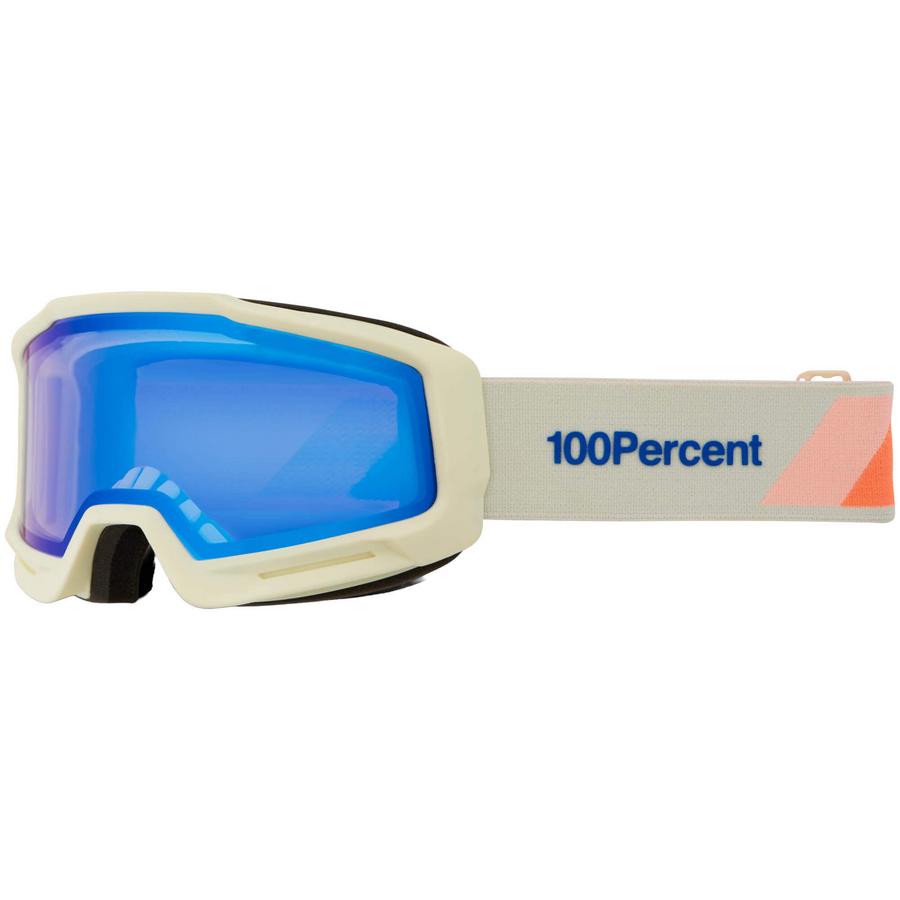
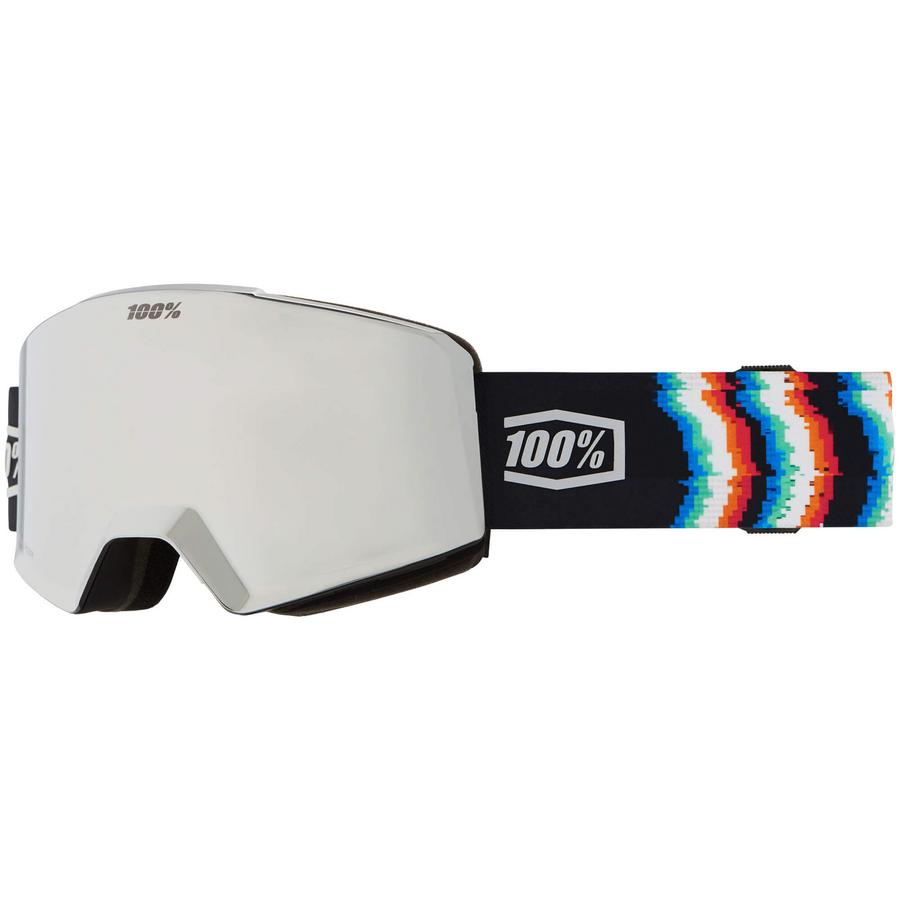
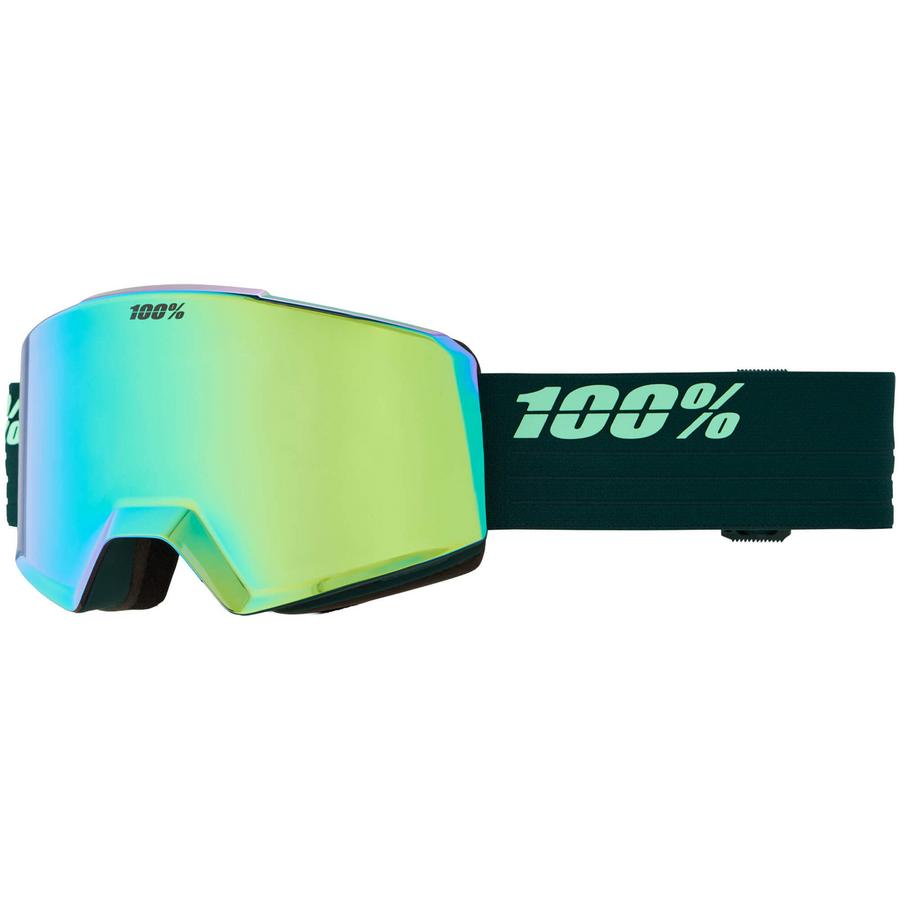
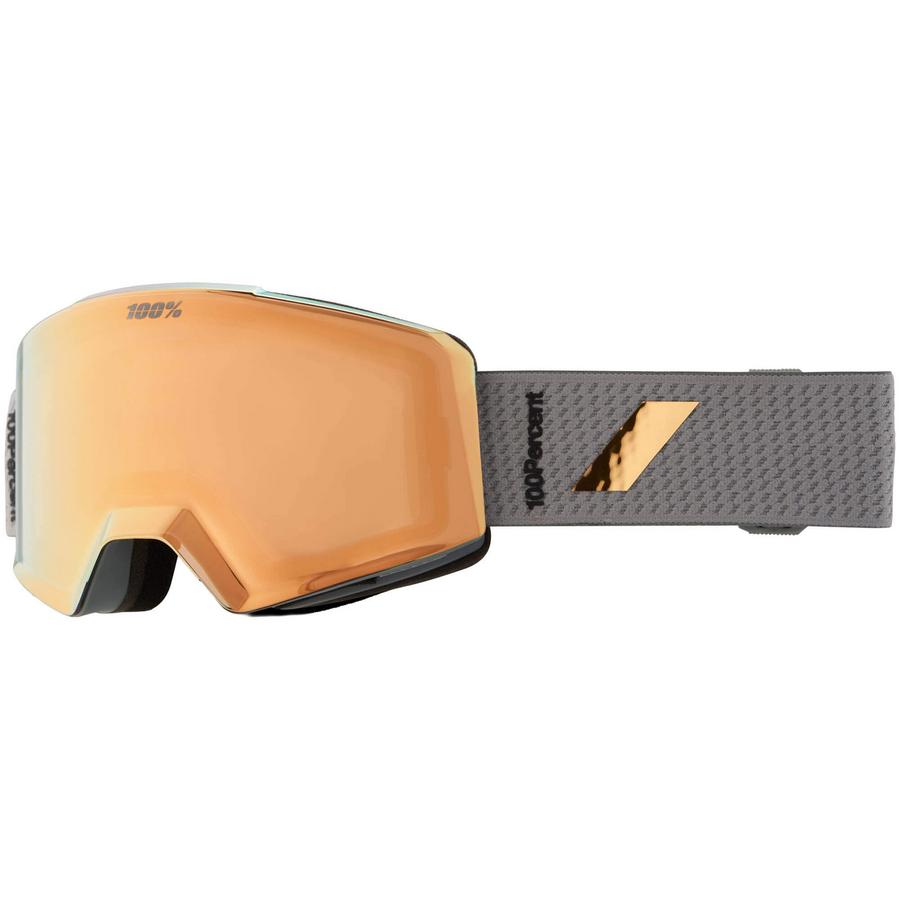
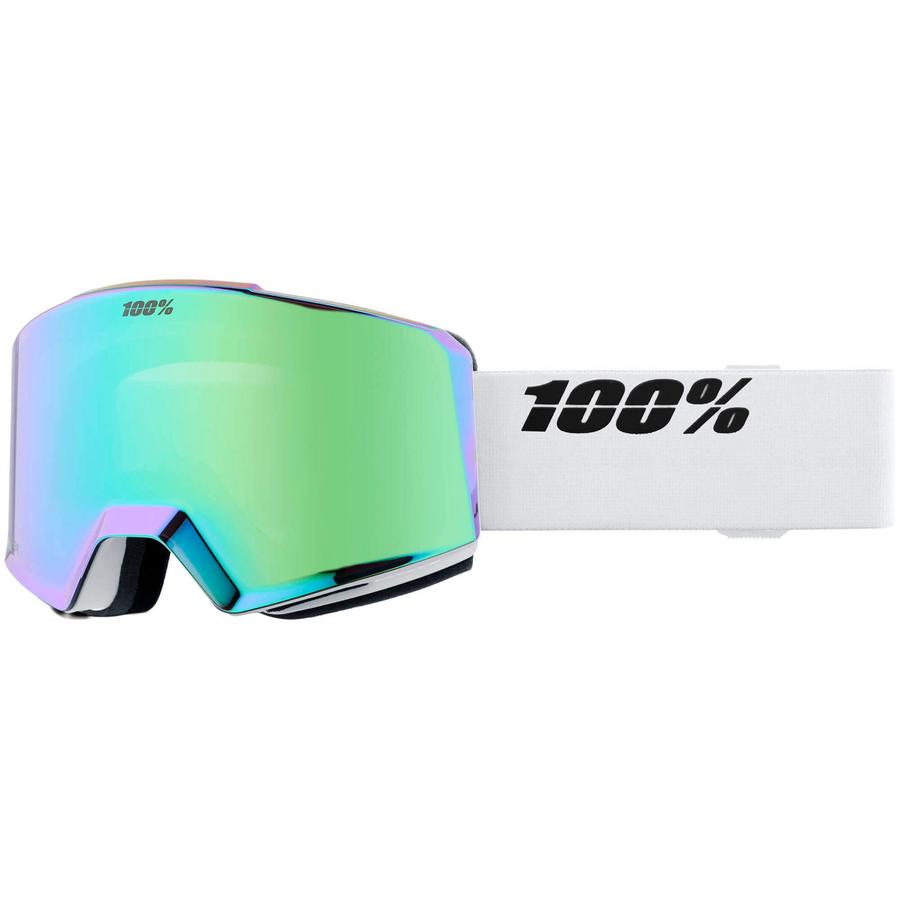
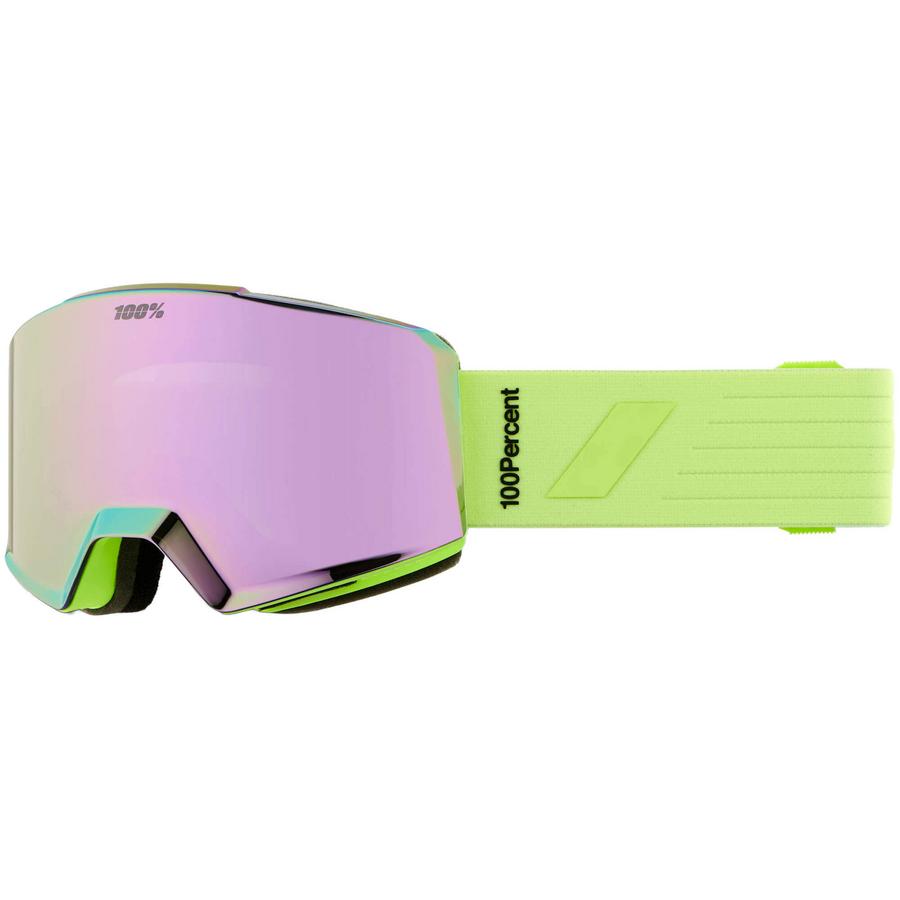
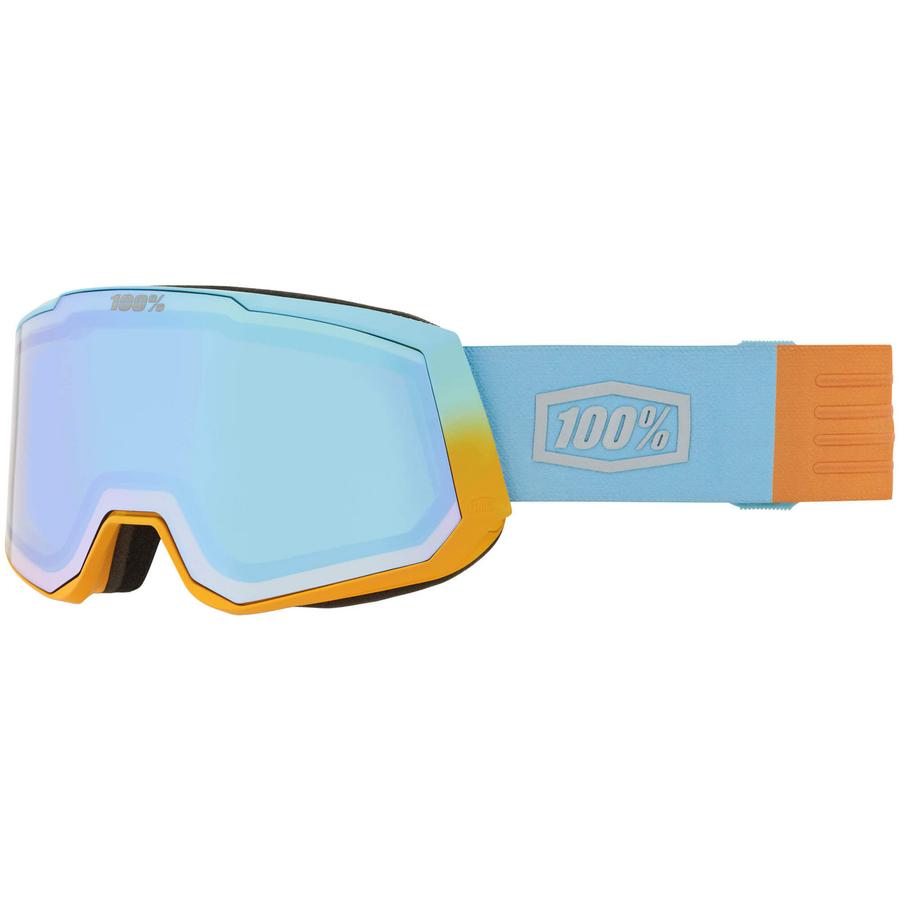
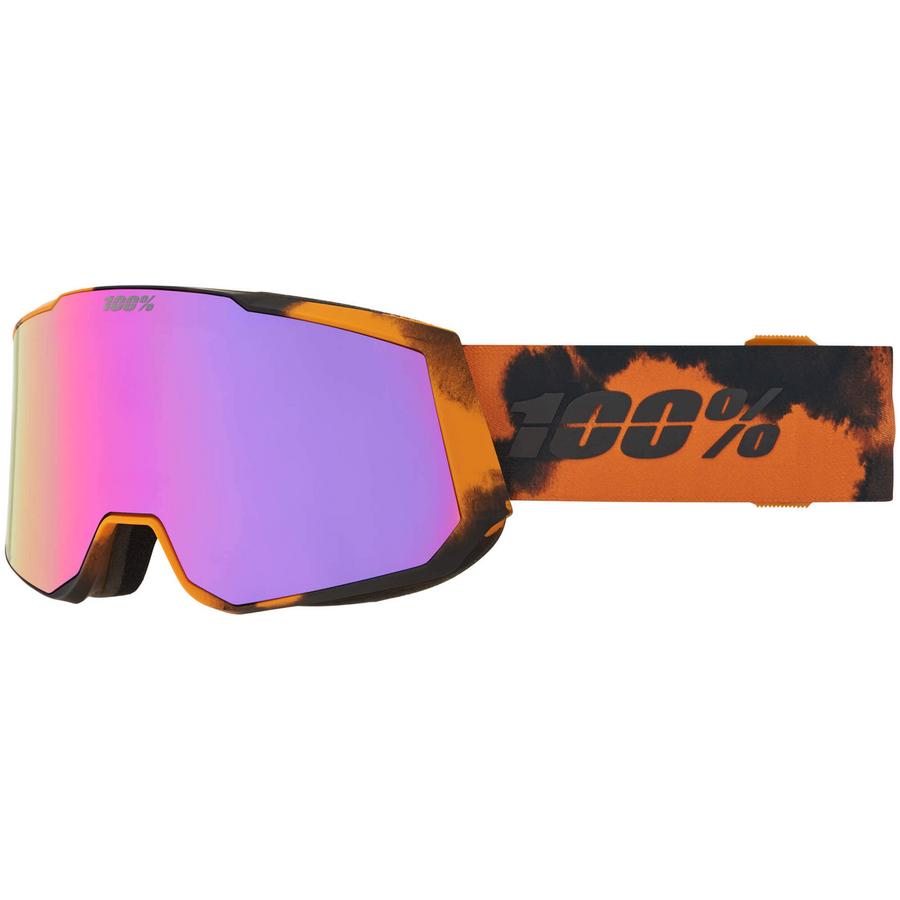
Do goggles count as protective gear?
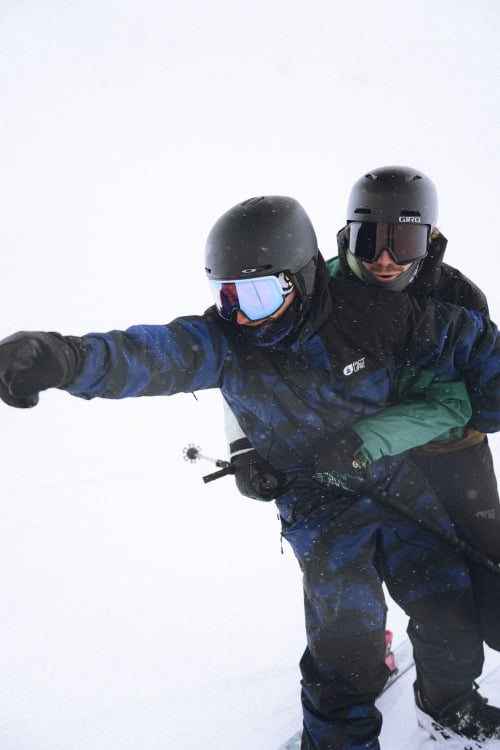
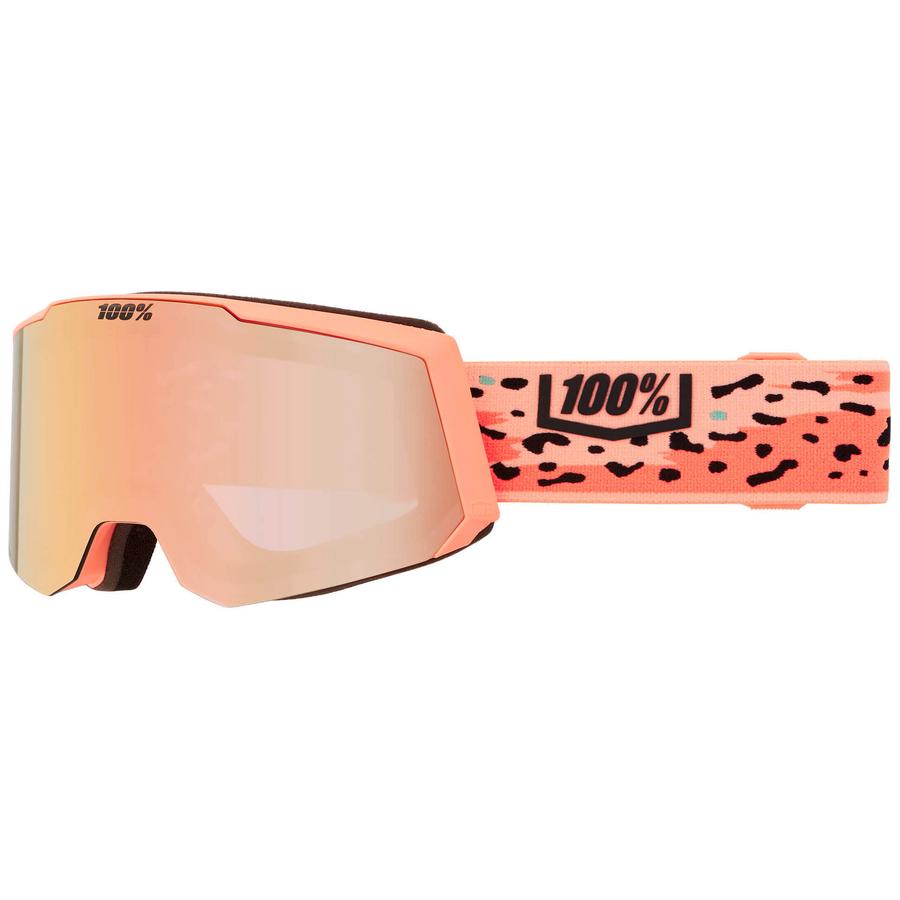
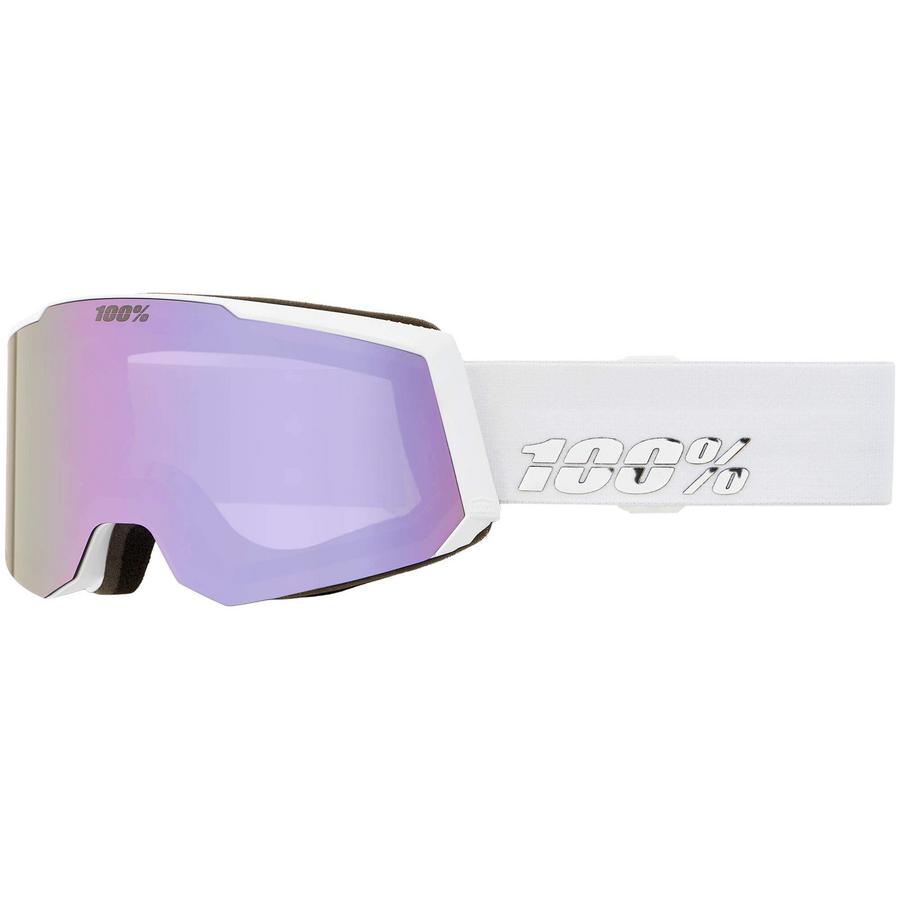
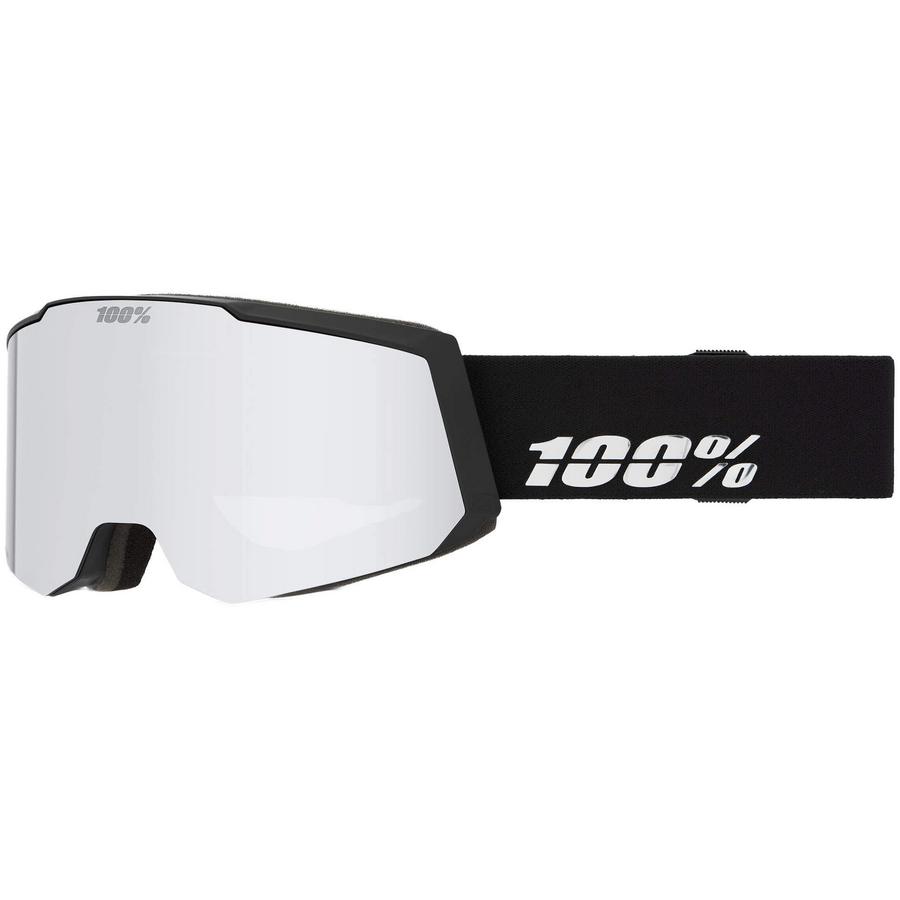
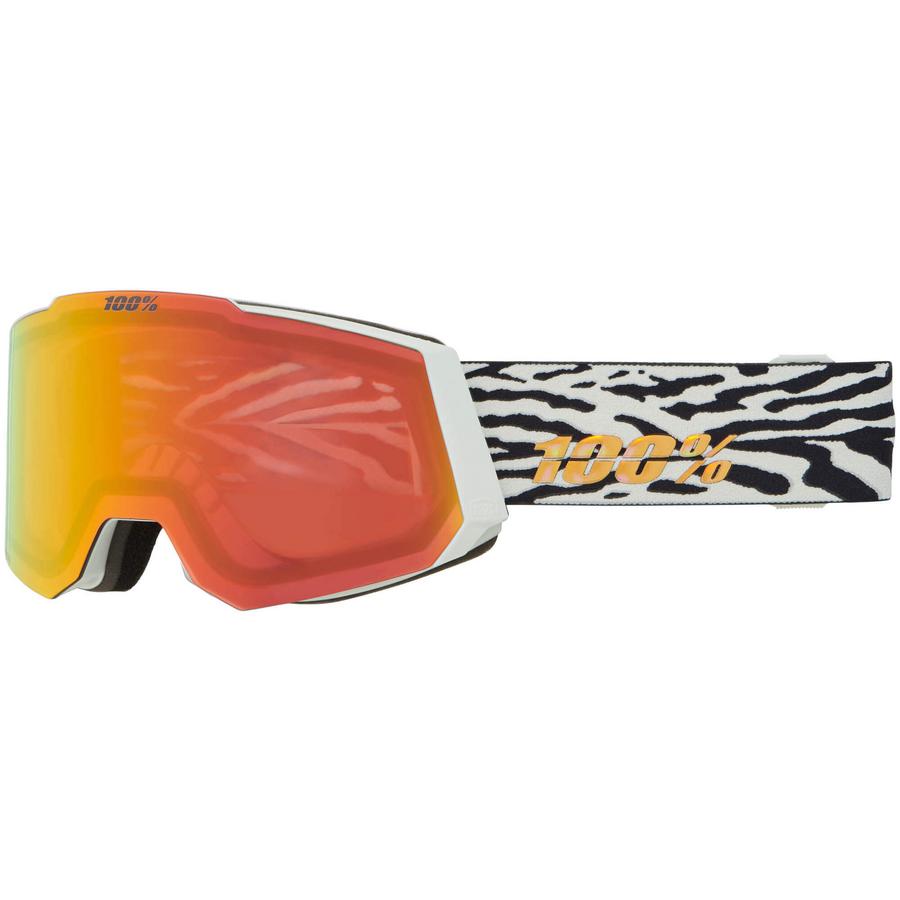
Yes, Ski and Snowboard Goggles absolutely count as protective gear and are an essential part of both ski and snowboard setups. Quality goggles protect your eyes from harmful UV rays, biting wind, snow glare, ice particles and flying debris, all while dramatically improving visibility in fast-changing mountain conditions. Whether you’re riding in bright sun, flat light or heavy snowfall, clear vision helps you react faster, ride with confidence and reduce eye strain and fatigue over a long day on the slopes.
Choosing well-made goggles really matters. Premium options from trusted brands like Oakley, Smith and Anon use advanced lens technology to enhance contrast, manage glare and resist fogging, keeping your vision sharp when it counts.
Explore our full ranges of Snowboard Goggles and Ski Goggles to find options designed for comfort, clarity and protection.
Investing in high-quality goggles isn’t just about seeing better, it’s about staying safer, riding longer and enjoying every run with confidence.
For more information on how to choose goggles, check out our Buying Guide to Ski and Snowboard Goggles.
Are elbow pads necessary?
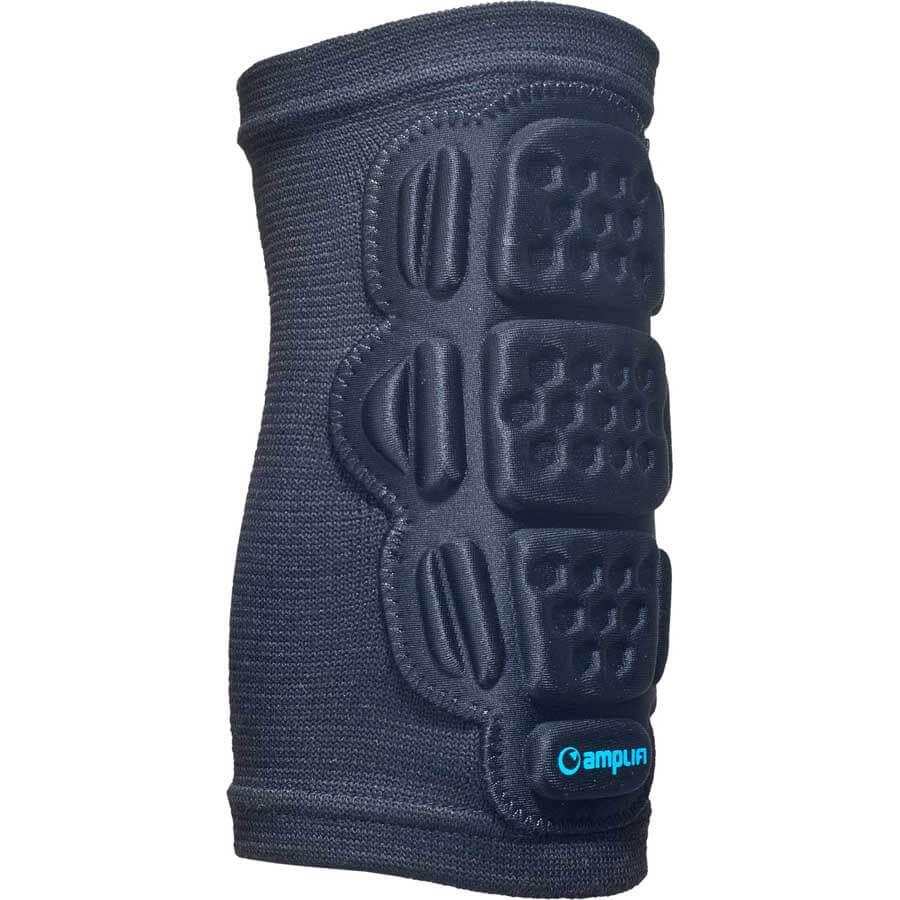
Elbow Pads are often overlooked but can be incredibly useful, especially for beginners and freestyle riders.
They help protect joints during falls and reduce bruising when learning to link turns or riding rails. Soft, low-profile designs are available in our Elbow Pads collection, offering protection without bulk.

Is body armour uncomfortable or restrictive?
Modern body armour is designed to move with you. Advanced materials offer flexibility, breathability and low-profile fits that sit comfortably under outerwear.
Many riders forget they’re wearing protection after a few runs, but notice the difference immediately when they fall or ride with more confidence.
Final thoughts: ride protected, ride confident
Protection isn’t about fear, it’s about freedom. Whether you’re easing back in after an injury, supporting growing confidence, or simply riding smarter, the right armour can transform your experience on snow. From helmets and goggles to wrist guards, impact shorts and back protectors, today’s protective gear lets you focus on progression, fun and enjoying every turn.
Need further advice? We're here to help!
Check out our Snowboard Buying Guides or Ski Buying Guides for technical tips and tricks.
Visit our Help Centre to speak to our experts or Sign Up to our newsletter to join our community & be the first to know our latest news, sales & competitions.