20 Smart Packing Tips for Outdoor Adventures
.jpg)
Preparing for an outdoor adventure is about more than picking a destination. Whether you’re heading into the mountains, travelling for a ski trip, or planning a multi-day hiking escape, packing smart can make or break your experience.
The right setup keeps your kit organised, your weight down and your essentials easy to access, especially when airline limits, long travel days and changing conditions come into play.
This guide covers practical, tried-and-tested packing tips for outdoor adventurers, from compression sacks and Packing Cubes to hydration systems and versatile accessories that help you travel lighter and move faster.
1. Use Compression Sacks to Save Space
Compression sacks are one of the easiest ways to reduce bulk in your backpack or suitcase. They squeeze down jackets, midlayers and sleeping gear so you can carry more without increasing weight. Ideal for ski trips and cold-weather adventures where clothing is naturally bulkier.
2. Stay Organised with Packing Cubes
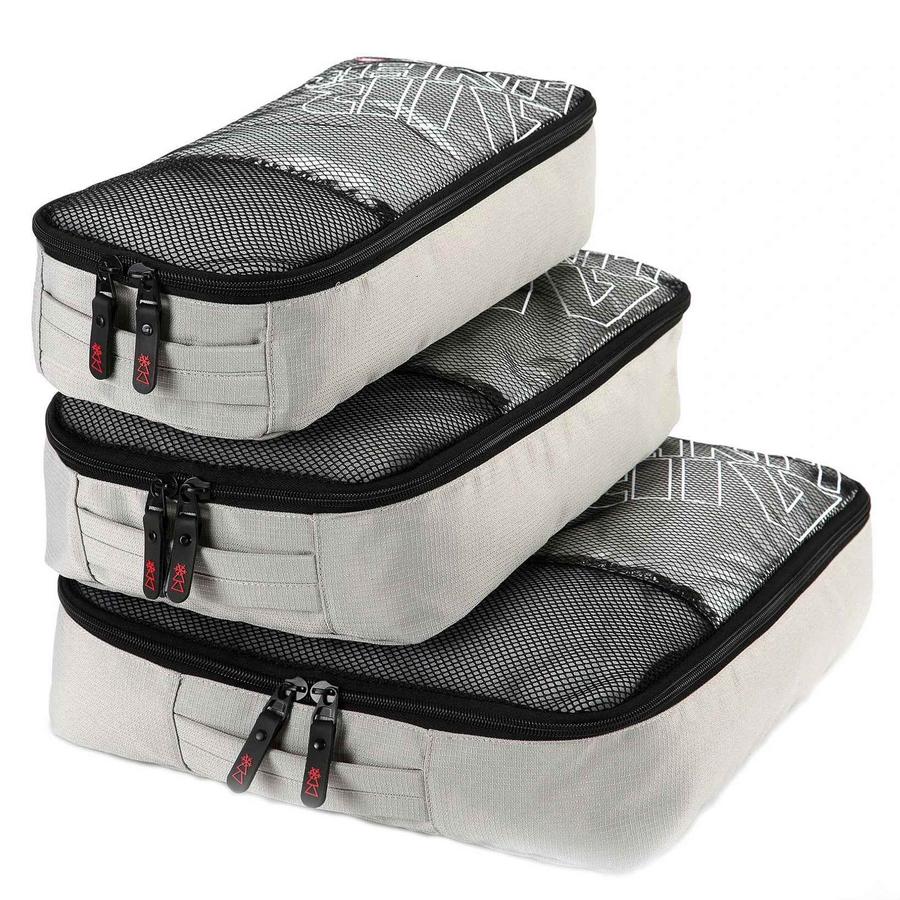
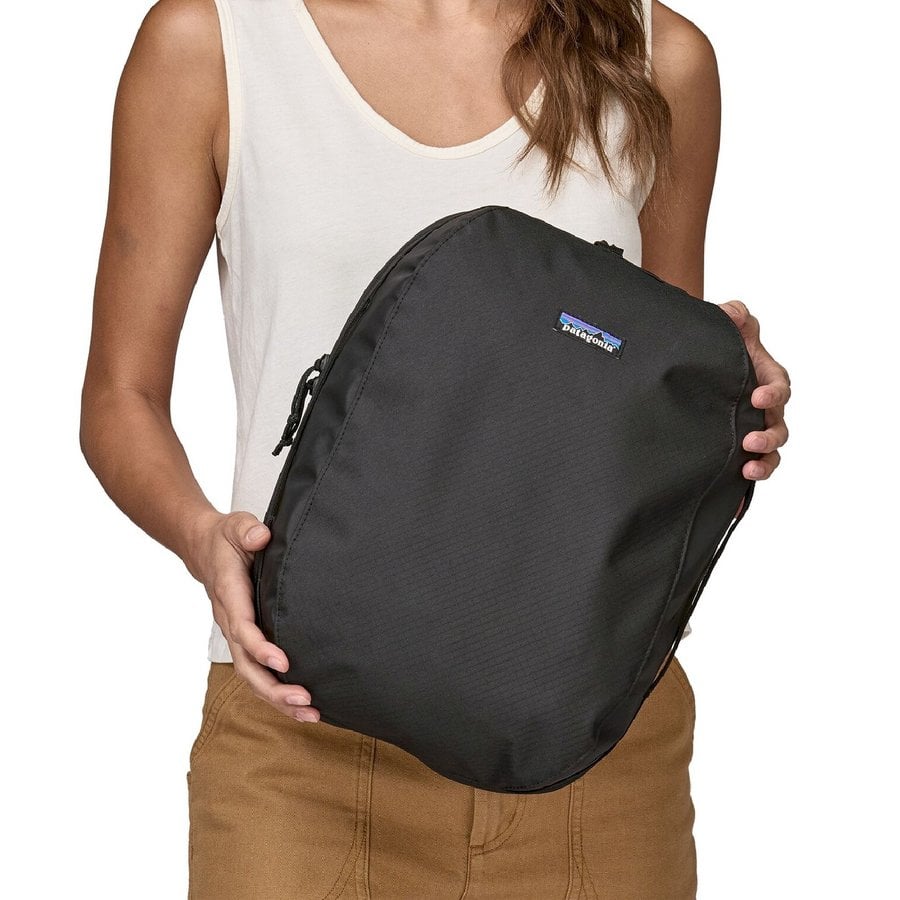
Few items improve travel organisation like packing cubes. Using Packing Cubes lets you separate clothing by activity, day or layer, so you’re never digging through your entire bag to find one item.
They also make life easier once you arrive. Simply pull out the cubes you need and leave the rest packed, ideal for hut trips, road trips or quick turnarounds between adventures. Many travellers also use a spare cube for dirty laundry to keep clean kit fresh.



3. Protect Gear with Dry Bags
Weather can turn fast in the mountains. Lightweight dry bags protect your clothing, electronics and spare layers from snow, rain and spills. They are essential for ski trips, hiking, camping and any adventure where moisture is a risk.
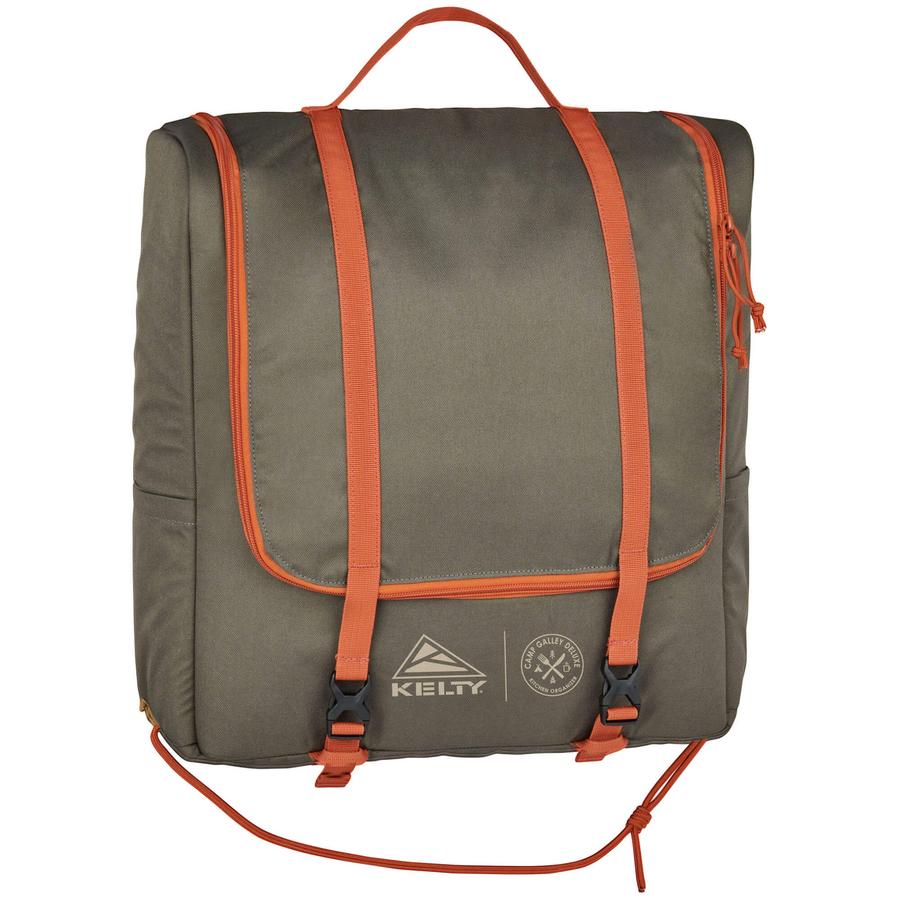
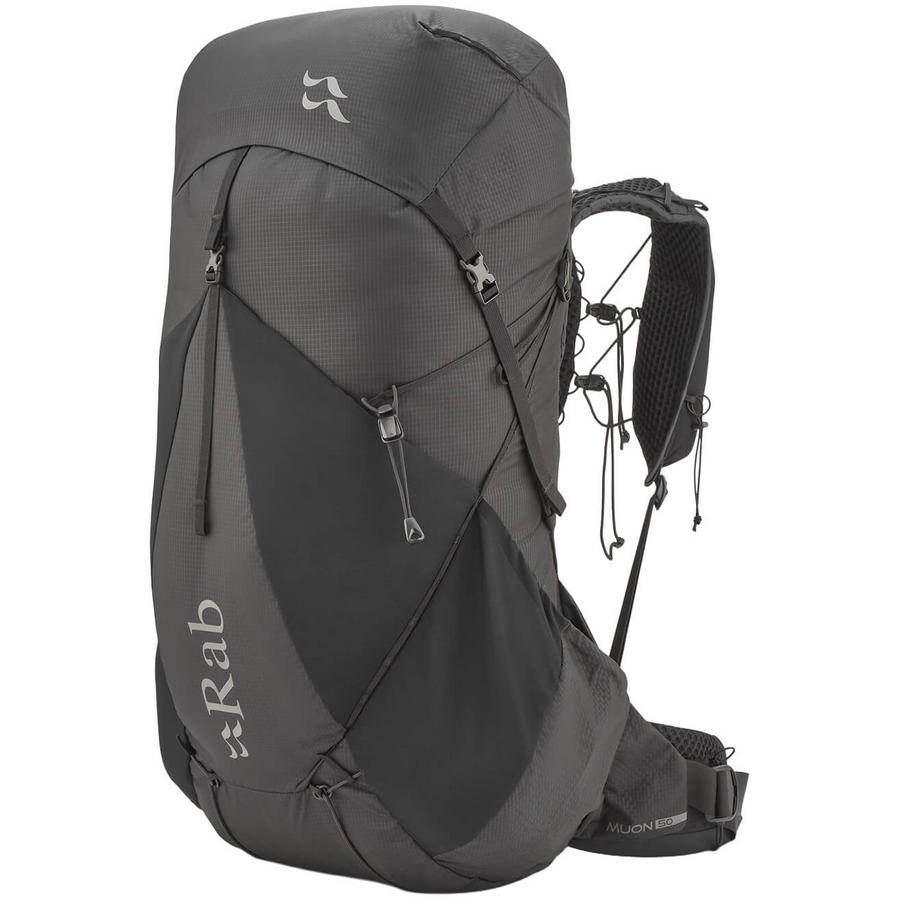
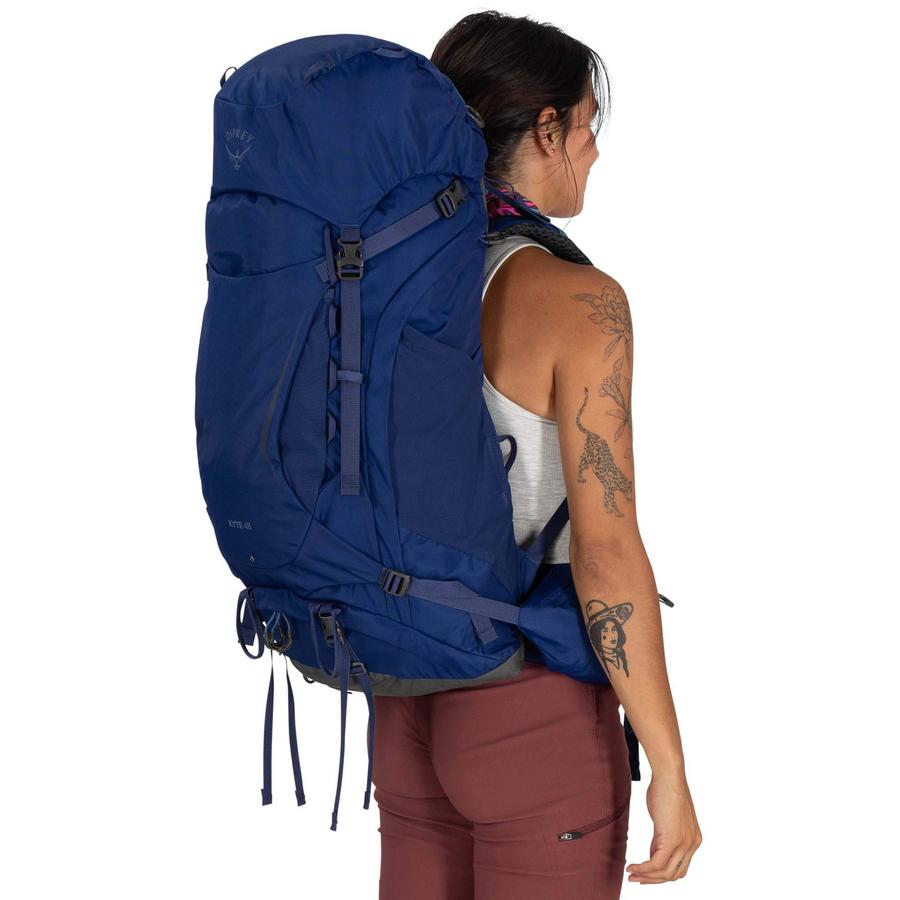
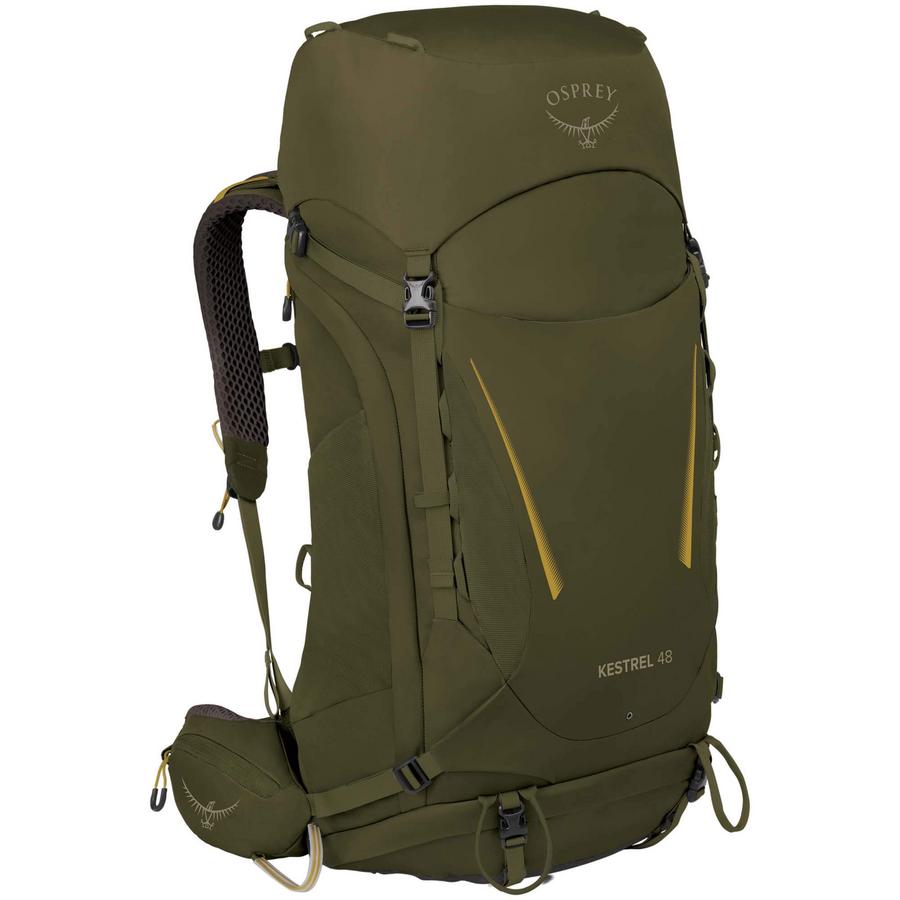
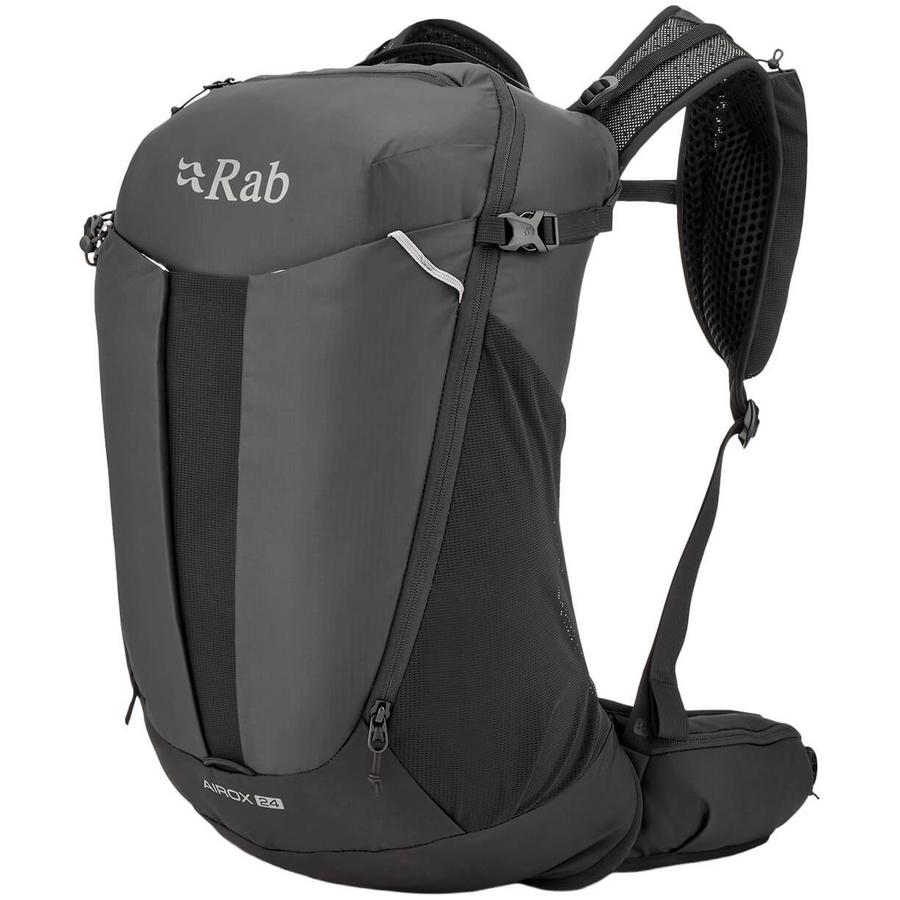
4. Choose an Expandable Backpack or Duffel
Expandable bags give you flexibility. Pack light on the way out and expand for extra layers, food or souvenirs on the way home. This is ideal for adventure travel where conditions and needs change day by day.
Shop Duffel Bags5. Separate Wet and Dry Gear
Always pack a dedicated cube or bag for wet clothing. Gloves, base layers or socks can soak other gear if mixed together. Keeping wet kit isolated helps you stay warm, organised and ready for the next day.
Shop Dry Bags6. Wear Your Bulkiest Items on Travel Days
Heavy boots, jackets and hoodies take up valuable space. Wearing them during flights or transfers instantly frees up room in your bag and helps avoid airline weight limits.
7. Pack a Small Repair Kit
A lightweight repair kit can save a trip. Cable ties, duct tape, spare laces and blister plasters weigh almost nothing but can fix broken straps, torn packs or footwear issues when you’re far from home.
8. Keep Travel-Day Essentials Easy to Reach
Documents, chargers, snacks, gloves and neckwear should live in one accessible pocket. Staying comfortable and organised on transfer days sets the tone for your whole adventure.
9. Use Colour Coding for Faster Access
Different coloured cubes or dry bags help you instantly identify gear categories like layers, underwear or snow kit. This is especially useful in low light, early mornings or shared accommodation.
10. Pack Multi-Use Clothing
Choose clothing that works across activities. A midlayer that works for skiing, hiking and travel reduces the need for duplicates and saves space without sacrificing comfort.
Shop Clothing11. Lightweight Footwear Makes a Big Difference
Footwear is heavy and awkward to pack. Opt for lightweight, versatile shoes that can handle travel, light hikes and downtime, reducing the need to carry multiple pairs.
Shop Clothing12. Bring a Portable Laundry Solution
For longer trips, a simple washing bag, soap or spare cube for dirty clothes helps you rotate outfits and pack lighter overall. Clean gear also stays warmer and more comfortable.


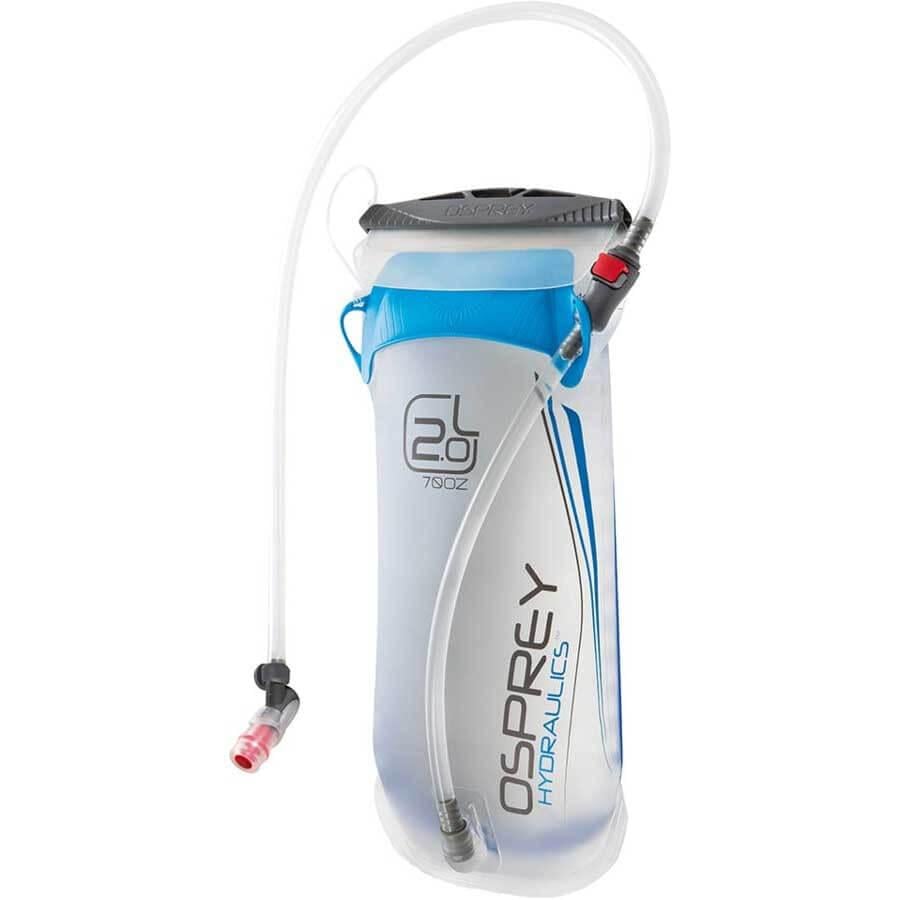
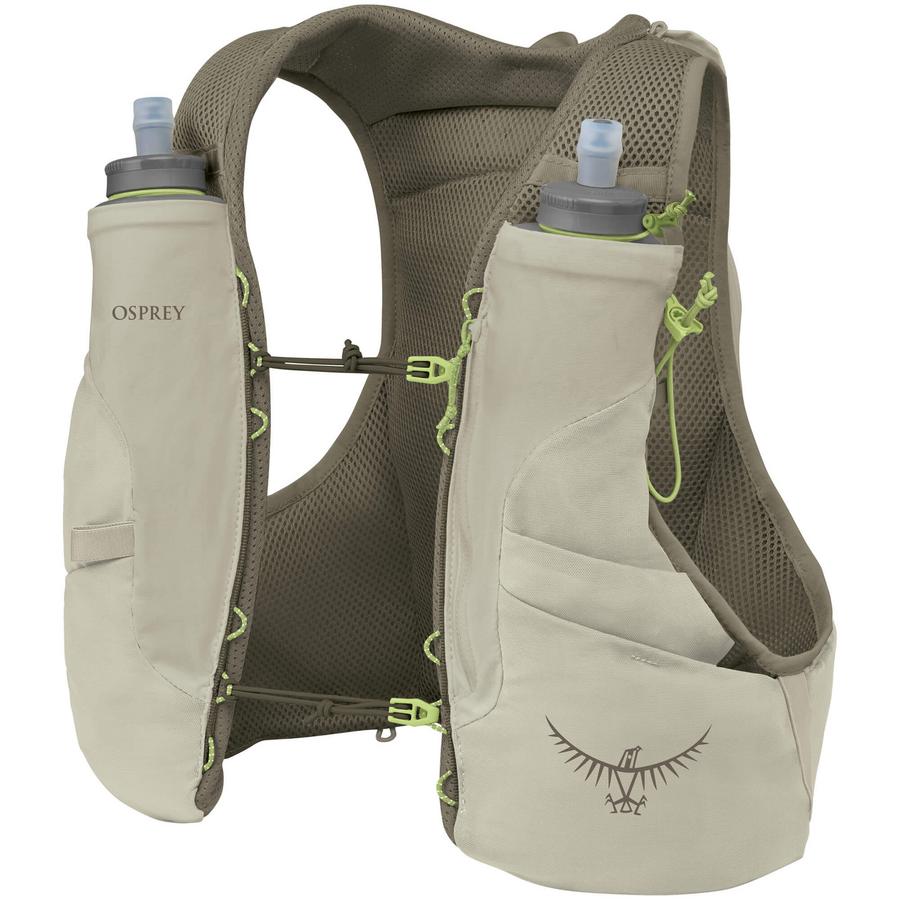
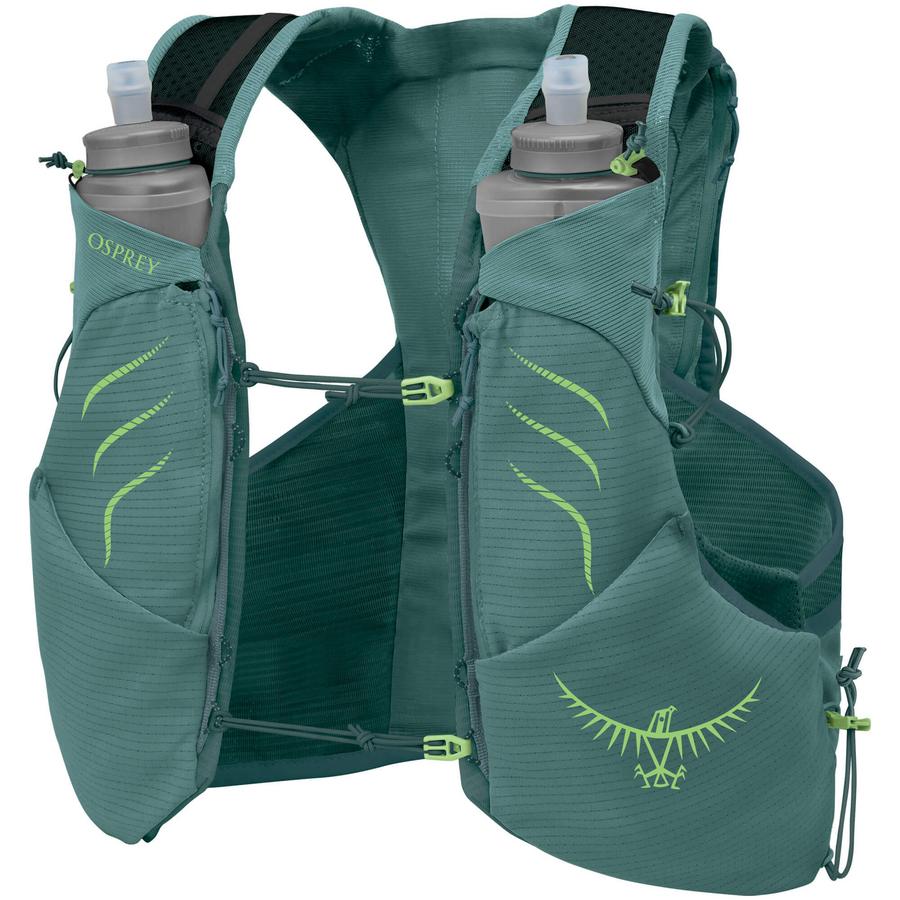
13. Hydration Systems Are Travel Essentials
Staying hydrated is critical at altitude and during active days. Hydration packs or collapsible bottles save space and make it easier to drink regularly on the move.


14. Download Offline Maps and Documents
Signal is unreliable in mountain regions. Download resort maps, trail guides and travel documents before you go so you’re never stuck without access.
15. Plan for Recovery, Not Just Adventure
Recovery matters. Compression socks, foam rollers or recovery footwear help reduce fatigue so you can enjoy more days on the mountain or trail. While you're at it, don't forget your first aid kit!
Shop First Aid16. Keep Electronics Protected
Cold and moisture can damage tech fast. Store phones, cameras and power banks in dry bags or padded cubes to prevent condensation and impact damage.
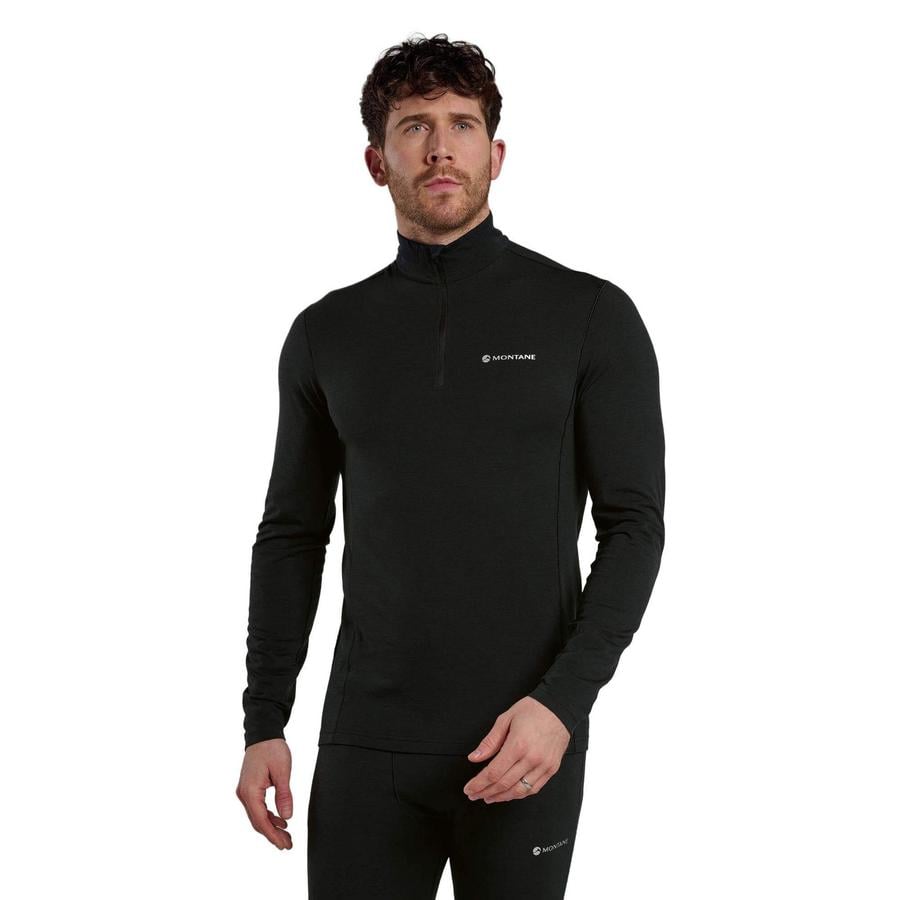
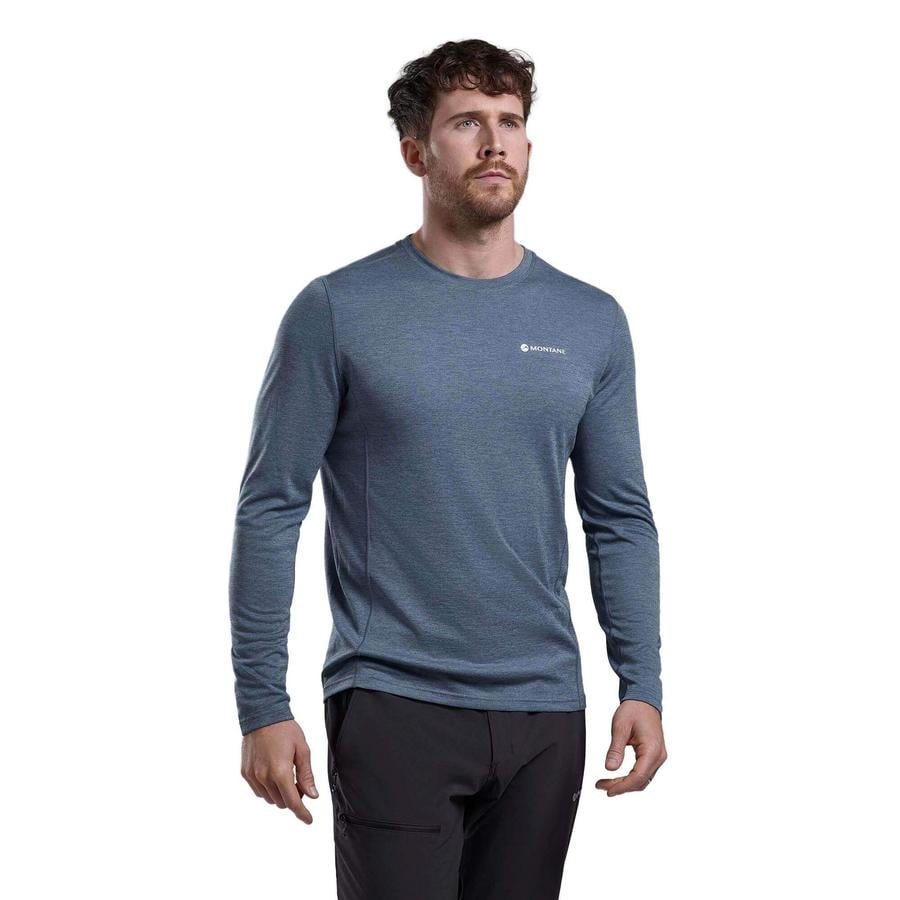
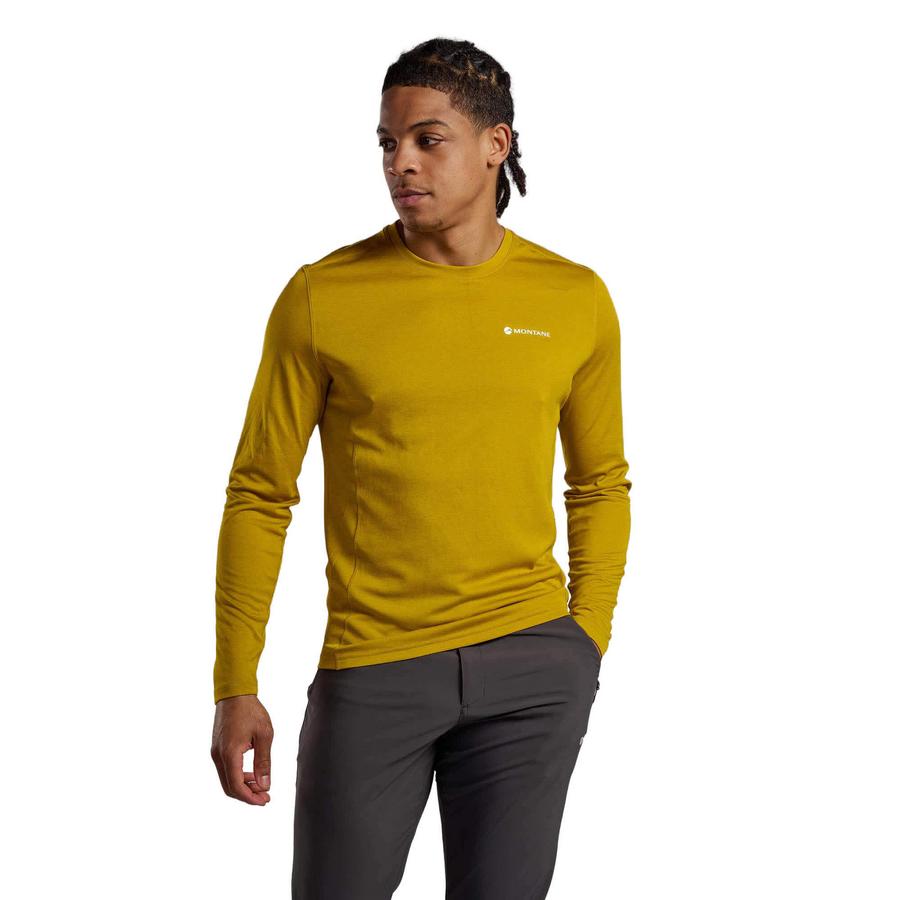
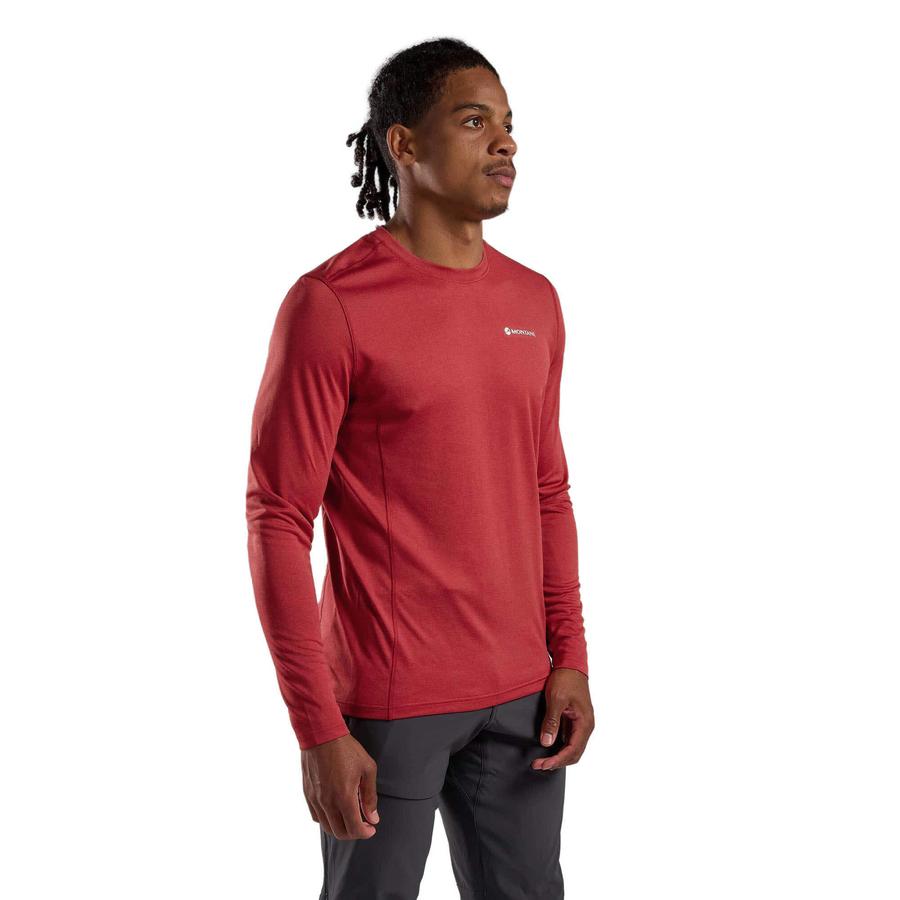
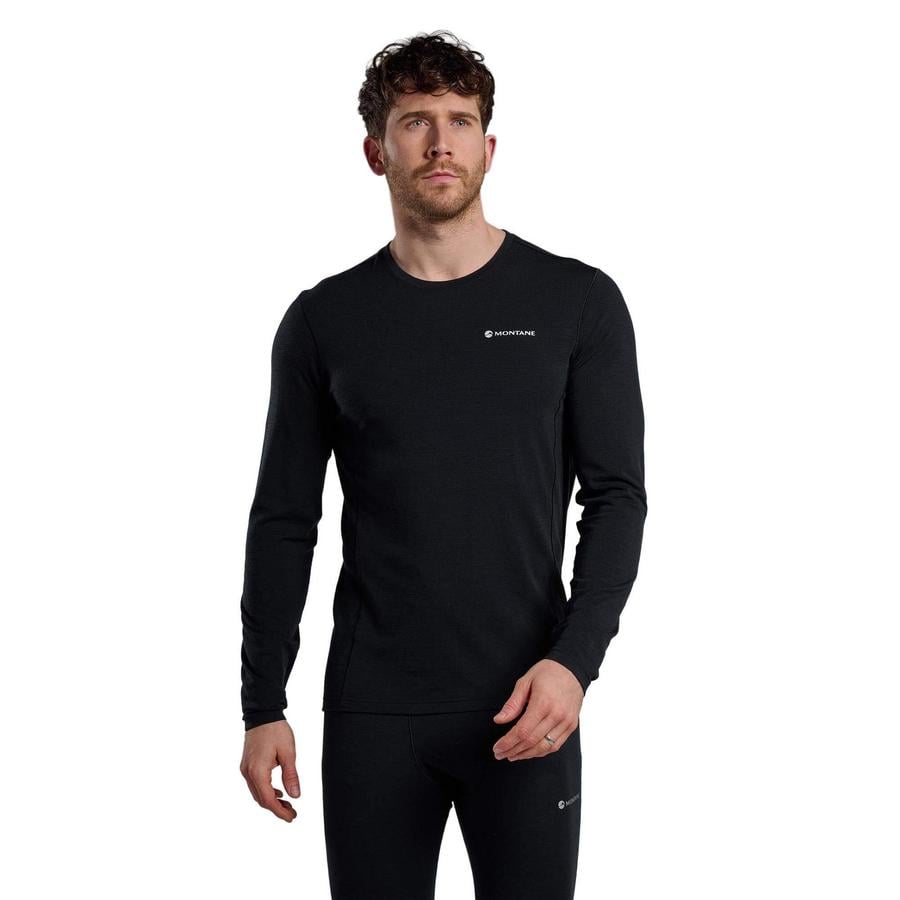
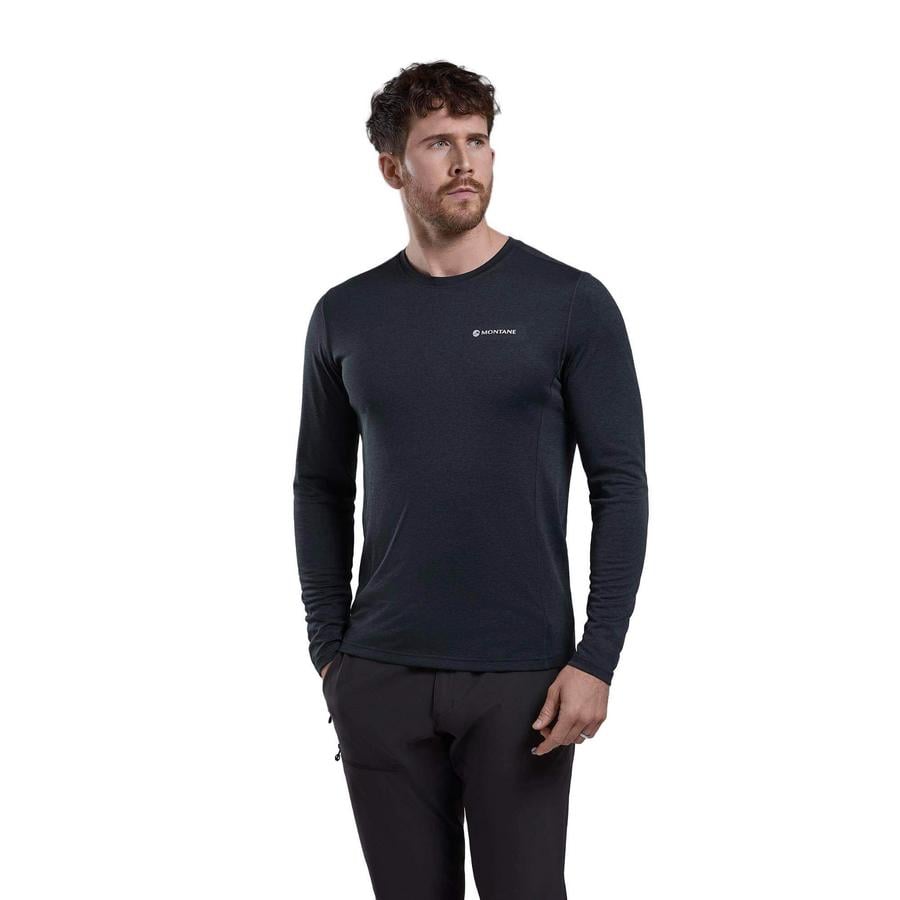
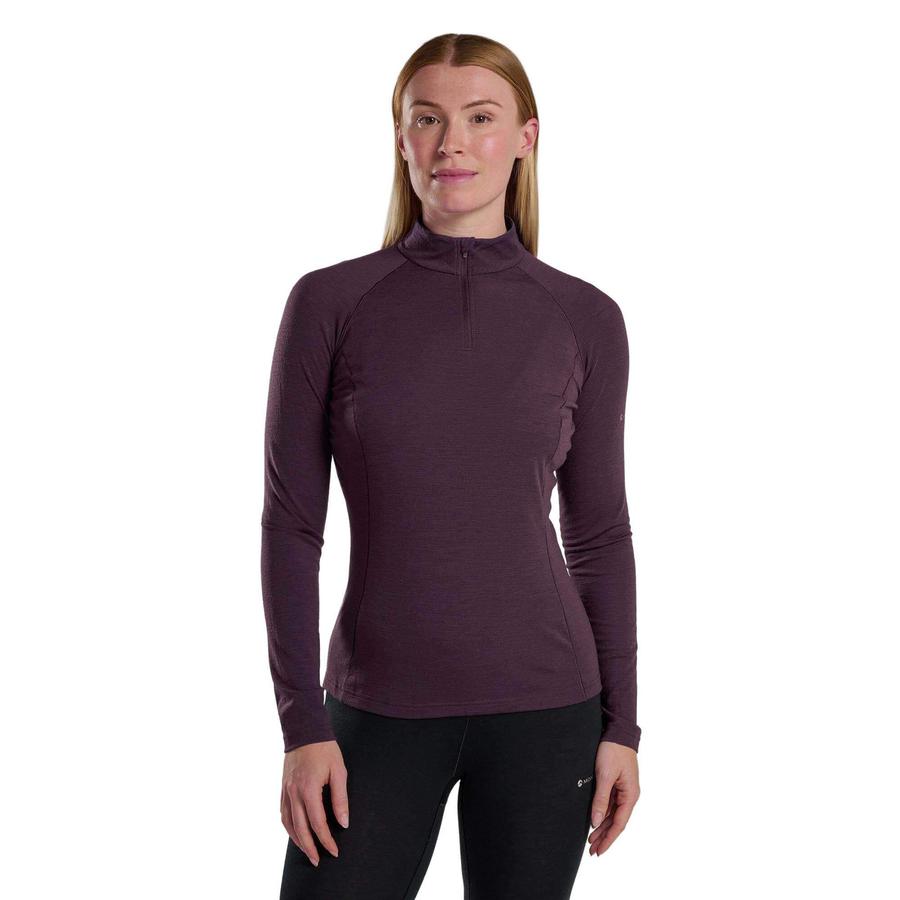
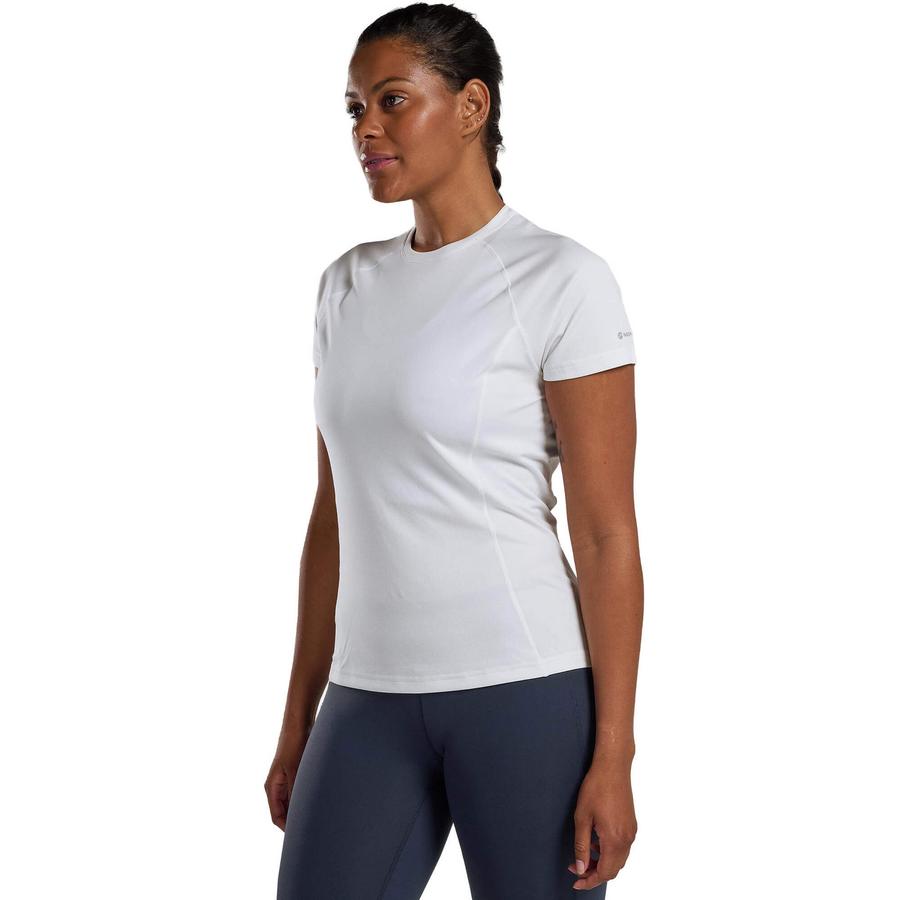
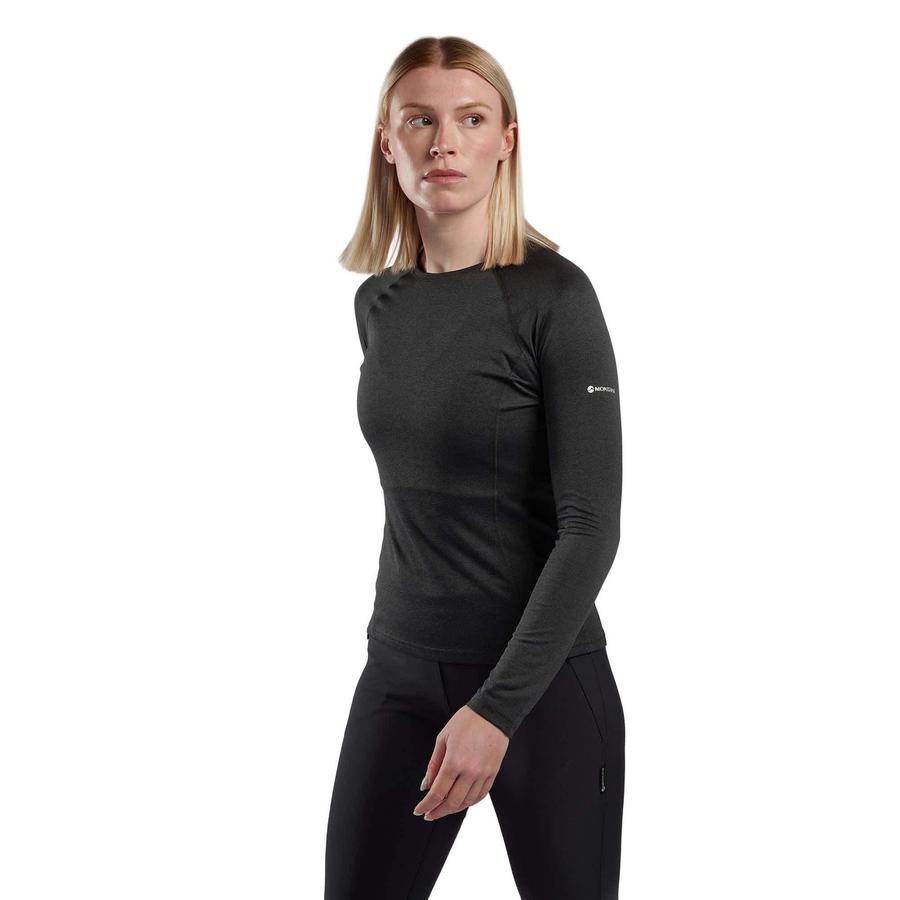
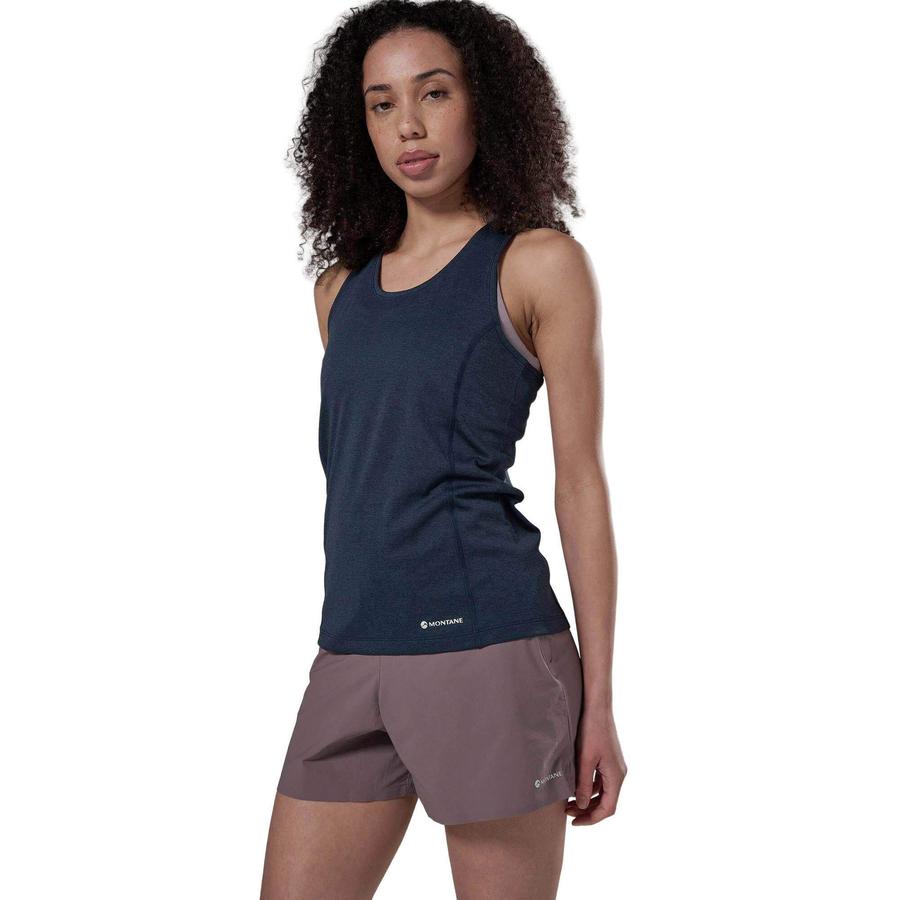
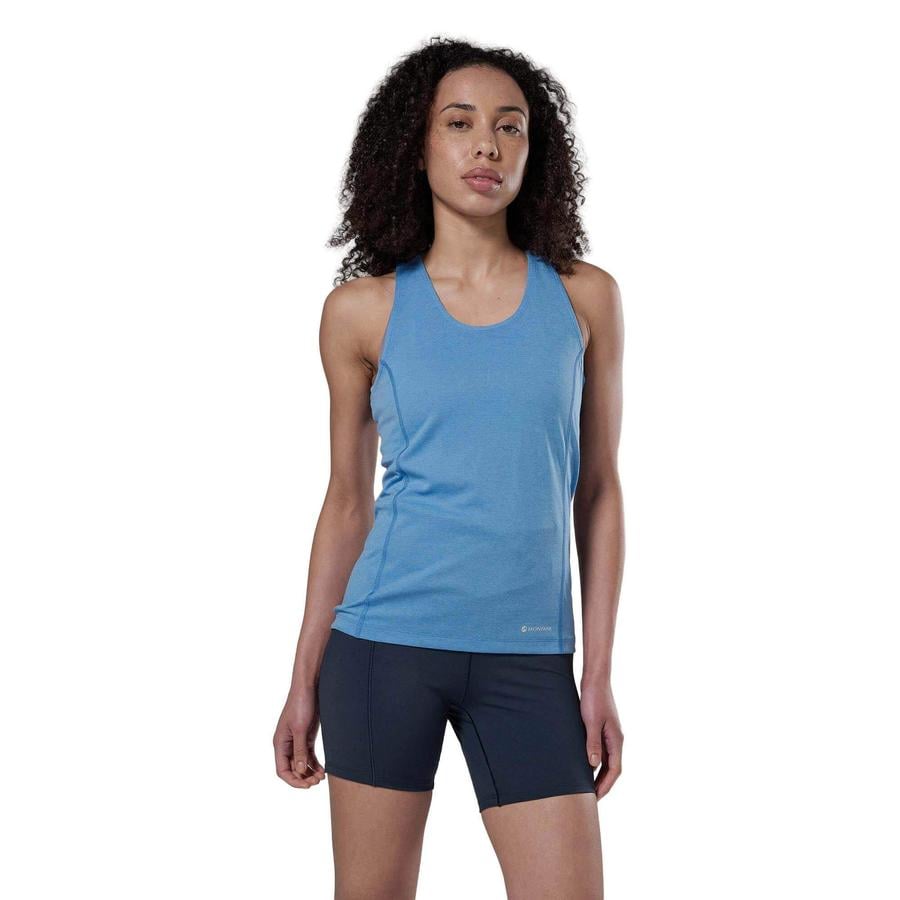
Shop Dry Bags17. Pack for Layering, Not Just Warmth
Instead of bulky single items, pack versatile layers. This allows you to adapt quickly to weather changes without carrying unnecessary weight.
Shop Base Layers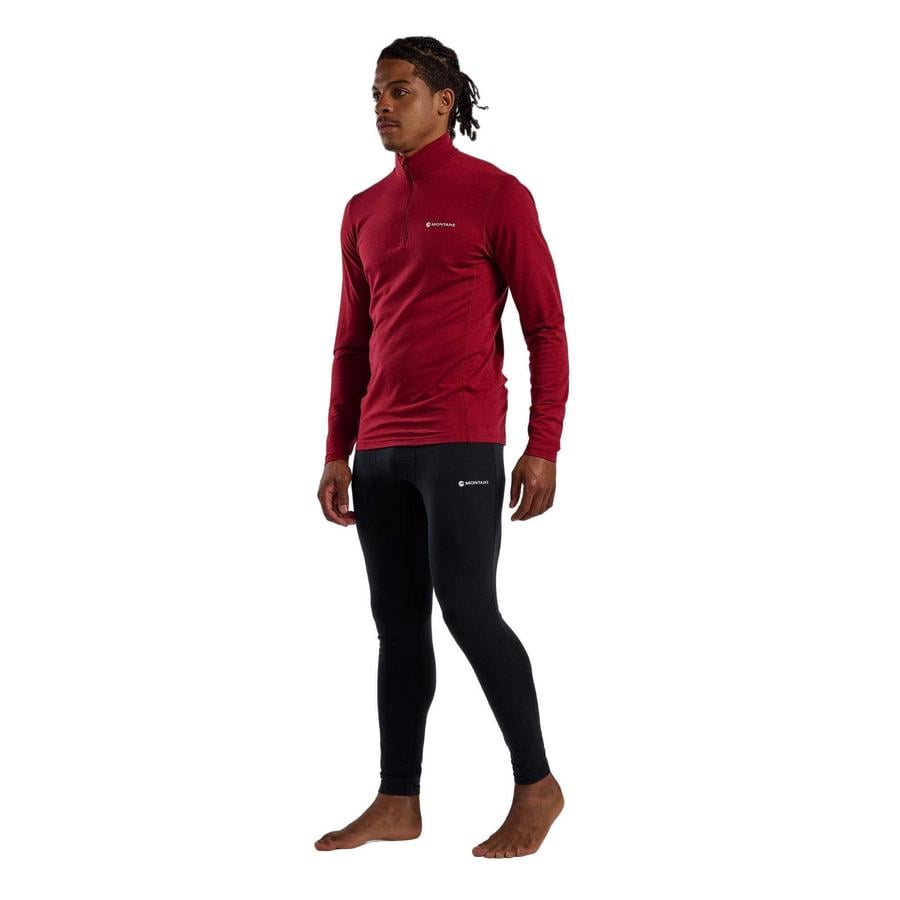
18. Leave Space on Purpose
Packing to full capacity makes bags hard to close and uncomfortable to carry. Leaving a little space gives flexibility and makes repacking far easier.
19. Test Pack Before You Go
Do a full test pack a few days before departure. Carry the bag, open it, repack it. You’ll quickly spot unnecessary items or access issues while there’s still time to fix them.
20. Keep It Simple
If you’re unsure whether you’ll use something, leave it behind. Lighter bags mean easier travel, less fatigue and more enjoyment on every adventure.
Final Thoughts: Pack Smart, Adventure More
Smart packing is about efficiency, protection and flexibility. By using compression sacks, packing cubes, dry bags and thoughtful organisation, you can travel lighter, stay drier and focus on what matters most: enjoying the mountains, trails and time outdoors.
Don't forget to check out our Kit Lists for outdoor adventures if you are looking for some inspo!


Need further advice? We're here to help!
Check out our Outdoor Buying Guides for technical tips and tricks for camping and outdoor adventures.
Visit our Help Centre to speak to our experts or Sign Up to our newsletter to join our community & be the first to know our latest news, sales & competitions.